
Srem District: Nature, History and Wine
Accommodation in Srem District
Wetlands and River Landscapes
Obedska bara is a horseshoe-shaped wetland that formed from the former course of the Sava. The first administrative protection measures for Obedska bara date back to 1874; in 1977, the area was added to the list of wetlands of international importance under the Ramsar Convention. This means that a distinctive landscape and a long history of protection converge at this wetland.
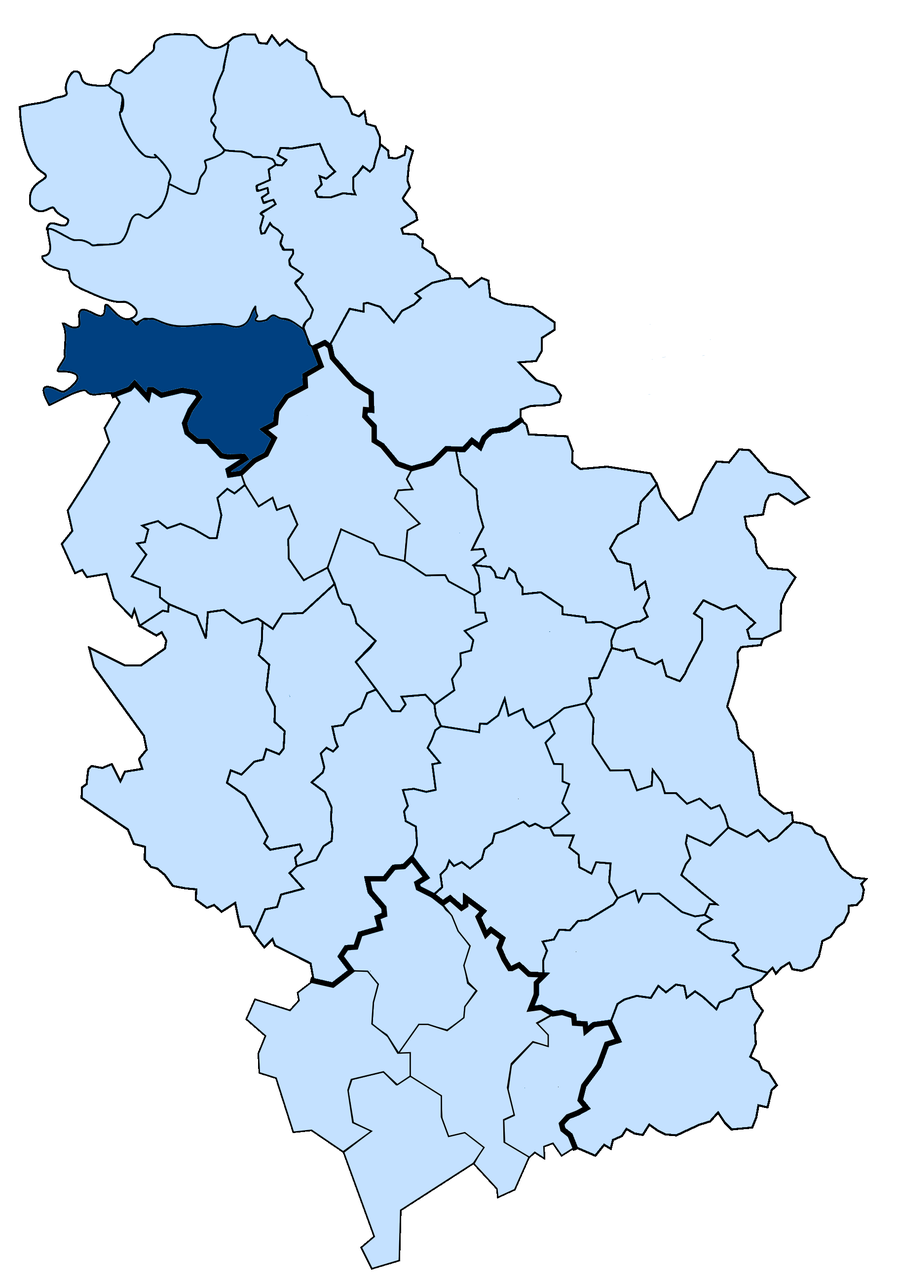 File:Sremski okrug.PNG
Photo: Photo: Disricts_of_Serbia.png : * Disricts_of_Serbia_by_population_density.svg : Gajmar at ru.wikipedia derivative work: Vanjagenije ( talk ) derivative work: Vanjagenije ( talk )
File:Sremski okrug.PNG
Photo: Photo: Disricts_of_Serbia.png : * Disricts_of_Serbia_by_population_density.svg : Gajmar at ru.wikipedia derivative work: Vanjagenije ( talk ) derivative work: Vanjagenije ( talk )
Visitors can explore the Zasavica protected area by boat and on the Umbra tourist boat. The 18-metre-high observation tower at the Zasavica visitor centre offers views of a 300-hectare pasture and the widest and most beautiful section of the Zasavica river course. The Zasavica visitor centre area is open to visitors 365 days a year. Nature experiences can therefore be combined here with a boat trip, observation tower, pasture landscape and river course.
Roman Heritage and Krušedol Monastery
Sirmium was the birthplace of five Roman emperors. In addition to the imperial palace, Sirmium had a theatre, an amphitheatre and a large hippodrome. The Roman past is therefore reflected in several different buildings and venues that form part of Sirmium’s history.
Krušedol Monastery was founded between 1509 and 1516 by Bishop Maksim, the future Despot Đorđe Branković, with the support of Mother Angelina and the Wallachian voivode Jovan Njagoja. The church of Krušedol Monastery is dedicated to the Annunciation. The monastery’s historical profile also includes the hieromonk Jerotije Dragabović: he wrote the first Serbian cookbook in Srem, which was printed in Zemun in 1855.
Wine and Culinary History
In the Fruška Gora wine-growing region, predominantly white, fresh and harmonious wines are produced in the Srem wine-growing area. Bermet is an aromatic sweet wine. Its recipe was recorded in the 18th century by Zaharije Orfelin in Iskusni podrumar, the first wine book in the Serbian language; to this day, Bermet is considered the pride of Sremski Karlovci. Viticulture and the history of traditional recipes give the regional cultural offering a distinctive culinary accent alongside its historical sites.
Cycling Route and Museum
The regional Srem cycling route and the Sava cycling route run mostly through the regions of Srem, Mačva and Southern Bačka. For cycle tourists, this connects different landscapes in the route description, while the exact character of the individual sections remains unspecified.
The Serbian Museum of Bread – Jeremija is located in the village of Pećinci in the Srem area. The Serbian Museum of Bread – Jeremija is associated with Saturday and Sunday as visiting days and with opening hours from 10 a.m. to 5 p.m.
Destinations in the Surrounding Region
The Museum of Applied Arts is a museum in the wider region surrounding Srem. The Museum of Yugoslavia is a museum in the wider region surrounding Srem. Rujevica is a mountain in the wider region surrounding Srem. Beogradska tvrdjava Fortress is located in the wider region surrounding Srem. Rittium is an ancient site in the wider region surrounding Srem. Jocina Ada is an island in the vicinity of Srem. Ada Međica is an island in the vicinity of Srem. Breg is a hill in the immediate vicinity of Srem.
Directly Assigned Subareas
Further areas for regional orientation: Šimanovci, Platičevo, Nikinci, Beška, Jarak, Zasavica I, Inđija, Kupinovo, Morović, Vrdnik, Ležimir, Šid, Stari Banovci, Ruma, Sremska Mitrovica, Stara Pazova and Surduk.
For the higher-level travel overview: Serbia.
