
Discover Ptuj: Hotels, Castle and Archaeology
Accommodation in Ptuj
Ptuj brings together in one place the early settlement of the castle hill, medieval architectural history, the heritage of ancient Poetovio and a wine-cellar tradition dating back to the 13th century. Those who want to get to know a city not only through individual sights but also through its different historical layers will find specific points of interest here for culture, archaeology, rituals and wine.
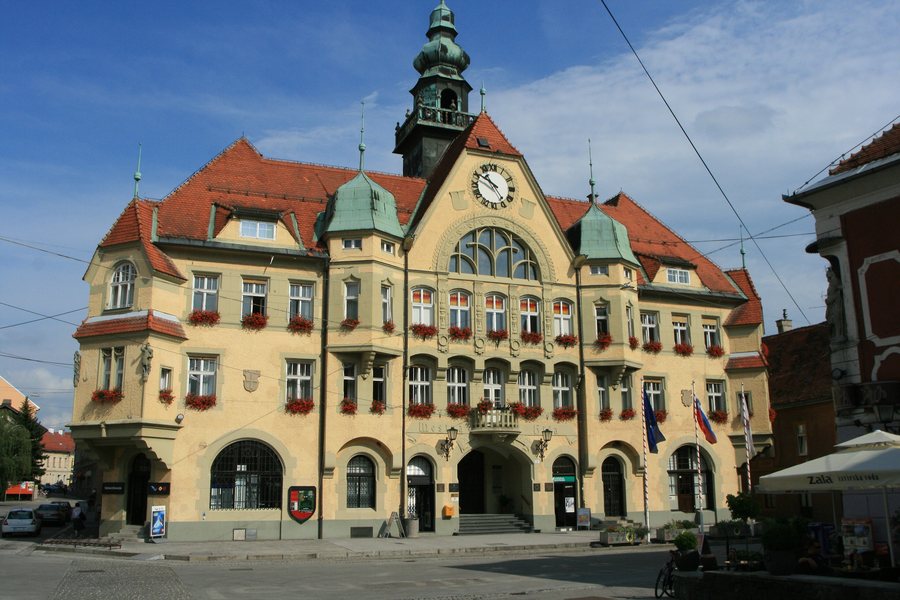 File:2250 Ptuj, Slovenia - panoramio (1).jpg
Photo: Michal Gorski via Wikimedia Commons, CC BY-SA 3.0
File:2250 Ptuj, Slovenia - panoramio (1).jpg
Photo: Michal Gorski via Wikimedia Commons, CC BY-SA 3.0
History and Culture
The slope of Ptuj Castle was already inhabited in the 5th millennium BC. The medieval fortification of Ptuj Castle was built in the 11th century. Today, the castle houses representative collections of the Ptuj-Ormož Regional Museum. These include weapons, musical instruments, traditional carnival masks, feudal domestic culture, reverse glass paintings and a castle gallery. Thus, the same castle brings together both the early history of the site and different forms of tangible and cultural heritage.
At Kurent House, visitors can use modern technologies to learn about the deeper meaning of rituals that have been preserved from antiquity to the present day. A guided tour of the Poetovio Archaeological Park offers another connection between history and direct observation. It links archaeological sites, museum collections and exhibits. The park presents the heritage of ancient Ptuj and brings together the city's archaeological heritage.
Nature and Archaeology
The hill of the Poetovio Archaeological Park is now a green place in Ptuj with walking trails and descriptions of the archaeological treasures hidden below. The park also contains a magnificent marble monument, probably dating from the 3rd century. The guided tour of the park ends with a tasting of mulsum, an authentic Roman spiced wine. Archaeological sites, paths, explanations and a traditional taste experience come together here as part of a cohesive visitor experience.
Wine and the Monastery Cellar
Ptujska klet preserves the Zlato trto from 1917, considered the oldest Slovenian wine. Its origins date back to 1239, when the Minorites built a wine cellar beneath their monastery. Visitors can take part in a guided tour of Ptujska klet with a tasting of selected wines. This places both a specific historical connection and the present-day opportunity for a guided tour with wine tasting at the center.
Cultural Venues and Events
Today, the Dominican Monastery is used as a venue for cultural events and is open to visitors from April to October. The park of the Dominican Monastery offers beautiful views of the Drava. Kurentovanje showcases another form of living tradition: the program includes Kurents' processions from house to house, folk and carnival parades, traditional and modern carnival figures, as well as masked balls.
History, archaeology and wine are represented in Ptuj through a range of different places and offerings. Visitors can then view and compare the available options while taking their personal travel plans and intended budget into account.
Further destination pages lead to Markovci, Majšperk, Gorišnica, Moškanjci, Cirkulane and Jiršovci.
For the higher-level travel overview: Ptuj.

.jpg)