
Hungary: Budapest, Lake Balaton and thermal-bath culture
Accommodation in Hungary
Hungary is a classic destination in Central Europe, bringing together its capital, bathing culture and regional landscapes. If you are including Hungary in a trip, first decide what role it should play in your itinerary: a starting point, one leg of a tour, a city base, a stop for nature, or a longer stay. This helps create a route that works well on the ground, rather than simply stringing together a list of place names.
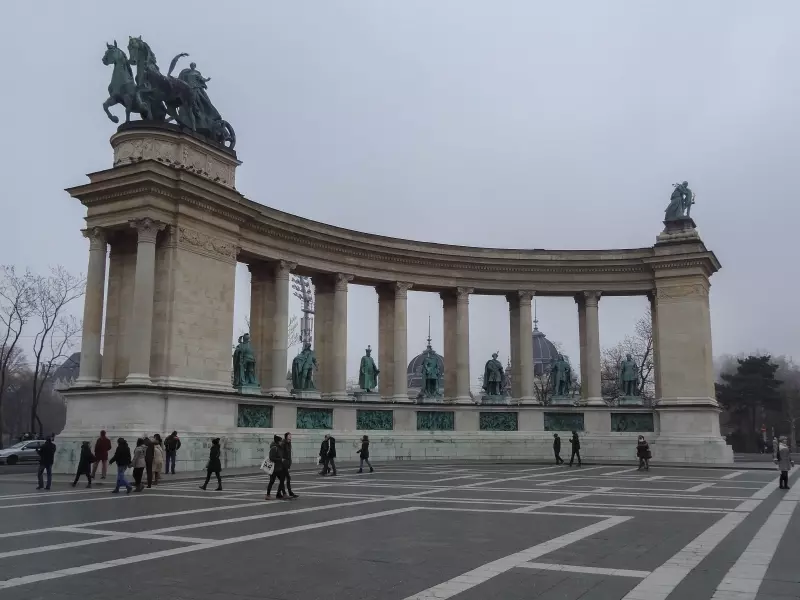 ungarn ist eine große Kulturnation.
Photo: tp
ungarn ist eine große Kulturnation.
Photo: tp
At a glance: Hungary
- Hungary is well suited to city breaks, beach holidays, thermal baths, food experiences and touring.
- Budapest, Lake Balaton, Transdanubia, the Puszta and Danube towns each call for different day plans.
- Where you stay affects travel times, breaks and the choice of excursions.
- Short stays benefit from a few clear priorities and a realistic return journey.
- Check prices, opening hours, timetables and event dates before your visit.
Overview and travel style
Budapest, Lake Balaton, thermal baths, Danube towns, the Puszta, wine regions and historic cities give the country many different faces. When planning, it is important to consider distances, border crossings, the time of year and transport options together. Especially between the Balkans, Central Europe and Central Asia, short distances on a map can take much longer because of mountains, borders, timetables or poor connections.
For travelers, the key question is whether Budapest, relaxation by the water, a spa stay or a tour is the main focus. If you plan realistically, it is better to choose a few set stops and allow time for the journeys between them. This helps with arrival days, longer bus or train rides, and regions where the weather, season or local holidays can change the day’s plans.
Cities, landscapes and culture
Buda and Pest, thermal baths, towns around Lake Balaton, market halls, wine towns, plains and stretches of the Danube are among the obvious highlights. A good itinerary combines well-known places with quieter stops. Capitals, old towns, museums and markets provide a sense of orientation, while coastlines, mountains, rivers, lakes or spa towns change the pace and make a trip feel less packed.
Hungary makes for a particularly well-rounded trip when Budapest is combined with a slower-paced stay at Lake Balaton or in a thermal-bath region. It is especially helpful to choose one clear focus for each day. A museum, a neighborhood, a viewpoint or a leg through the countryside is more likely to stay in your memory than an itinerary that crams too many stops into a short time.
Routes and combinations
Hungary fits well into trips that include Austria, Slovakia, Serbia, Romania, or a wider Danube or Central European itinerary. Budapest, Lake Balaton and the Great Hungarian Plain can be linked according to transport routes, travel style and available time. Check specific routes, overnight stops and seasonal connections before you travel.
Budapest is a good starting point, but Lake Balaton, the Puszta and border regions need their own time slots and suitable transport. For touring, two to four well-chosen bases are often more comfortable than changing location every day. From there, you can combine excursions, city visits and nature destinations more easily. If you are traveling by car, consider parking and road conditions; by bus or train, frequency, transfers and the return journey matter more than straight-line distance.
When to go and practical tips
Summer is ideal for Lake Balaton, spring and fall for Budapest and touring, and winter for thermal baths and short city walks. Spring and fall are often well suited to city visits, tours and active days outdoors. Summer is particularly good for the coast, lakes, long evenings and mountain regions, but can put more pressure on accommodation and transport. In winter, short journeys, museums, cafés, thermal baths and ski resorts become more important.
Before booking, check the latest entry requirements, timetables, opening hours, public holidays, local rules and weather conditions. In border regions, national parks, islands, mountain areas and historic sites, it is worth checking again shortly before your trip. Leaving some flexibility in your schedule is not a waste of time; it allows for spontaneous discoveries and breaks. In Hungary, also consider where your accommodation is in relation to your main daily routes and realistic breaks.
Combining Hungary by travel style
Hungary works well for both short city breaks and longer trips combining water, culture and relaxation. Budapest is the main gateway, but Lake Balaton, thermal spa towns, the Puszta, Danube towns and wine regions reveal very different sides of the country. When planning a route, do not just collect the best-known names; decide on your travel style and pace: city, swimming, wellness, food, nature or touring. That makes it easier to plan worthwhile connections, for example from Budapest to Lake Balaton or smaller historic towns.
Planning by region
Hungary can be explored through Budapest, Lake Balaton, Transdanubia and the northern landscapes. City stays, thermal baths, water and nature each call for different day plans. Where you stay, travel times and a realistic return journey all matter. Check the latest information on entry requirements, transport, prices, opening hours and events directly. Transdanubia, the Balkans, Czechia and Poland offer useful points of comparison when considering other routes.
Choosing a clear focus helps avoid too many transfers. If you prioritize a city, nature, the coast or culture, you can plan legs with enough time to spare. Make final decisions based on current information from the relevant authorities and service providers. This turns travel ideas into a practical shortlist without promising that anything will be available. In Hungary, tailor departure points, transfers and the return journey to your specific day plan.
Stages and practical choices
If your trip includes several stops, each leg should have a clear purpose. A city can be a focus for culture and transport, while a coastal or nature stop can be planned at a more relaxed pace. Daily planning is about more than just mileage: allow for transfers, walking, breaks, luggage and getting back to your accommodation. If you are traveling by train or bus, check connections for the specific day and plan an alternative in case of delays. For a rental-car trip, include pickup, drop-off, parking and local road conditions in the same check. For remote areas, find out where you can get food and how to return safely. In Hungary, also consider where your accommodation is in relation to your main daily routes and realistic breaks.
When to go and current information
Weather, daylight, school holidays and seasonal offerings affect how many places you can visit in one day. Coastal and nature destinations often require more flexibility than a day spent at a city museum. That is why you should check the latest information from authorities, transport operators, protected areas and the places you plan to visit immediately before traveling. Entry and safety information can change too. Travelers should consult official guidance relevant to their nationality and save important addresses offline. Opening hours, tickets, prices, events and access restrictions are not presented here as permanently valid. If information conflicts, follow the guidance of the relevant authority. In Hungary, tailor departure points, transfers and the return journey to your specific day plan.
Accommodation and daily rhythm
The location of your accommodation can affect your daily route more than an appealing place name. Staying close to a train station, bus stop, old town, coast or hiking trailhead can shorten journeys. If you are traveling with children, have limited mobility or carry a lot of luggage, take this into account early on. Leaving a free block of time between two planned activities provides flexibility for weather, waiting times and unexpected discoveries. Good travel planning does not have to account for every possibility. Two or three priority destinations, a realistic return journey and a weather-friendly alternative are often enough for a solid framework. This information is intended as a guide; final decisions should be based on current information and your own checks. In Hungary, also consider where your accommodation is in relation to your main daily routes and realistic breaks.
Checklist for planning your route
Before setting off, you can check the most important points in a simple order. First decide on your destination, length of stay and priorities. Then consider accommodation, how you will get there, daily journeys and the return trip. It is useful to have an alternative for every longer excursion, in case of bad weather, delays or limited access. Store documents, addresses and confirmations somewhere you can access even without a reliable internet connection. In Hungary, also consider where your accommodation is in relation to your main daily routes and realistic breaks.
Families and groups need to take different interests into account. Choosing one main activity for everyone each day leaves room for breaks and spontaneous changes. Travelers with specific needs should check routes, access and accommodation suitability directly with the relevant providers. This preparation is more reliable than a general assurance, since on-the-ground conditions and individual needs vary. In Hungary, also consider where your accommodation is in relation to your main daily routes and realistic breaks.
The return journey is part of the day’s plan too. If you need to catch the last bus, a ferry or a train, do not rely on the tightest connection theoretically available. A time buffer makes your itinerary more resilient. For long distances, an overnight stop is often more comfortable than an overpacked day trip. The best option depends on the season, transport, weather and your own stamina. In Hungary, tailor departure points, transfers and the return journey to your specific day plan.
You can broaden your regional perspective afterward. Neighboring countries and landscapes offer points of comparison, but should not automatically be crammed into a single itinerary. Comparing options is especially useful when culture, coast, nature and cities have different priorities. Sort destinations by distance, transport route and available time, and check booking and official information for the latest updates. In Hungary, also consider where your accommodation is in relation to your main daily routes and realistic breaks.
After your trip, what you learned about routes, travel times and seasonal conditions can help improve your next plans. However, always recheck official information, since timetables, access, prices and rules can change. This keeps your travel plan clear without presenting outdated details as permanently valid. For Hungary, weigh these points according to travel time, distance and your own pace.
For detailed preparation, double-check your accommodation, travel arrangements for the actual dates, return journey, any reservations and the latest guidance from the relevant authorities. If your route includes several regions, also decide which legs are fixed and which are optional. This helps avoid unnecessary time pressure and makes changes easier. Order daily destinations by location, plan breaks, and keep important addresses and emergency contacts close at hand. For nature and coastal destinations, check the weather, trail conditions, daylight and access again; for city destinations, also check current information on transport, admission and opening hours. Confirm entry, safety, transport, prices, events and availability with the relevant authorities, transport operators, venues or service providers. This lets you adapt your plans to your schedule, budget, mobility and interests without treating changeable information as permanently valid. In Hungary, also consider where your accommodation is in relation to your main daily routes and realistic breaks.
When choosing what to see in Hungary, first decide between cities, lakes, thermal baths, nature and culture. Budapest, Lake Balaton and the Great Hungarian Plain are very different kinds of destinations. Transdanubia and Northern Hungary help you get your bearings by region.
For the actual route, combine getting there and getting around with travel preparation, taking travel time, breaks and accommodation location into account. A single base with suitable excursions can be more relaxing than moving every day. This brings the regional options together to help you make a realistic final decision.
Conclusion: planning your trip
Hungary is well suited to city breaks, relaxation and touring when you give the capital and regions the right balance. Planning around your interests makes it easier to find the right mix of well-known places, regional culture and quieter stops. This turns an overview into a useful starting point for a trip that works in terms of time, theme and geography.
Frequently asked questions about Hungary
Which destinations can you combine in Hungary?
Budapest, Lake Balaton, thermal baths, Danube towns and the Puszta each offer something different. Choose according to your travel style, available time and suitable transport connections.
How can you plan a relaxing tour?
A few well-chosen bases with suitable day trips are often more comfortable than changing accommodation every day. Consider the return journey, breaks and location of your accommodation together.
What information should you check before your trip?
Confirm timetables, opening hours, prices, events, and current entry or transport requirements for your specific travel dates.
