
Arrival and transport: plan your local journeys well
A journey is especially pleasant when not only the first train or flight works out, but your arrival and onward journey are also clearly planned. Considering the timetable, station and time buffer together can make transfers less stressful.
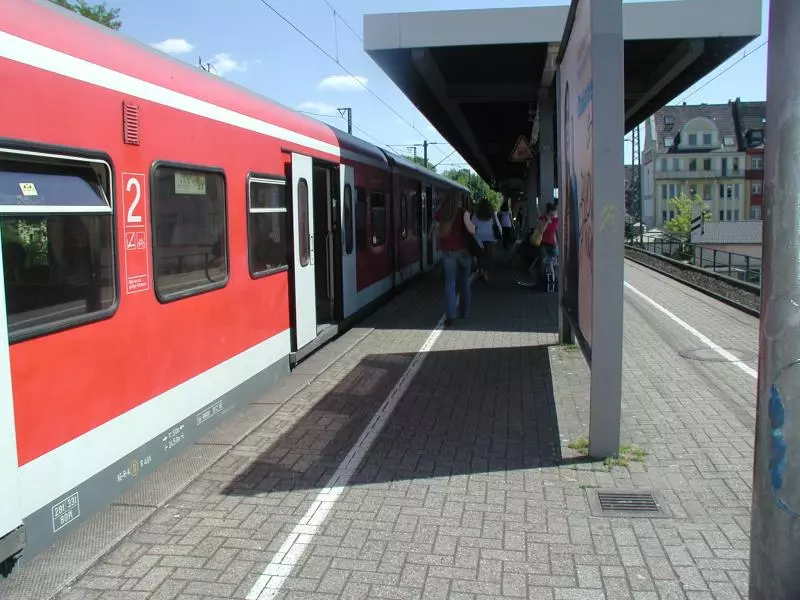 Roter Zug an einem Bahnsteig mit Reisenden.
Photo: Markus Lenk
Roter Zug an einem Bahnsteig mit Reisenden.
Photo: Markus Lenk
Quick facts: Arrival and transport: plan your local journeys well
- Compare your arrival time and onward journey as one route.
- Allow extra time for transfers.
- Check the exact station, not just the city name.
- Save routes and addresses for offline access.
- Take luggage, mobility and time of day into account when planning your onward journey.
- Checking current timetables and travel conditions should be part of your final review.
Plan your journey all the way to your destination
A cheap ticket is of little use if the final leg is still unplanned. The means of transport in Russia offer an example of why different modes of transport should be considered together. If you are flying, you can use the airports in Russia to identify possible arrival points and plan your onward journey early.
Prepare for your airport arrival
Make a note of your terminal, arrival time, the address of your next destination and a realistic time buffer. The Moscow airports and Pulkovo Airport are concrete examples of how a city can have multiple arrival points. The airports in Kyiv can also serve as an example destination when you want to arrange your onward journey in advance.
Make rail and bus travel easier to navigate
For train and bus journeys, the right railway station, platform or bus station—and how to get to your next stop—are all important. Information about the Moscow railway stations and the railway stations in St. Petersburg offer examples of planning that goes beyond simply naming the city. For bus journeys, bus stations in Minsk show how useful it can be to have a precise location.
Stay flexible on the way
Save your key connections, addresses and tickets offline as well. If you have a tight connection, include an alternative in your plan. Check current timetables, access requirements and any restrictions directly with the relevant transport operator.
FAQ
How much time should I allow for a transfer?
It depends on the location, your luggage and the connection. Allow enough time to find your way and account for possible delays.
What should I save before arriving?
The address, onward travel details, ticket information and an alternative route are especially useful.
Why is the exact railway station important?
Large cities often have several stations. Choosing the right one determines how practical your onward journey will be.
Where can I check current timetables?
Directly with the transport operator offering your specific connection.
When choosing a specific option, consider journey time, routes, accessibility and current conditions together. Also check that the leg fits your budget, mobility needs and preferred pace of travel. A little extra time makes it easier to adapt to changes in the weather or traffic, or to seasonal variations in opening hours. For arrival and transport, tailor your departure point, transfers and return journey to your specific itinerary.
