
Budapest: The Danube, Castle District and Thermal Baths
Budapest is the capital of Hungary and one of the major city-break destinations on the Danube. If you are including Budapest in a trip, first decide what role you want it to play: a city break, a cultural stay, a stopover or a longer visit. This will help you create an itinerary that works in practice, rather than simply collecting as many place names as possible.
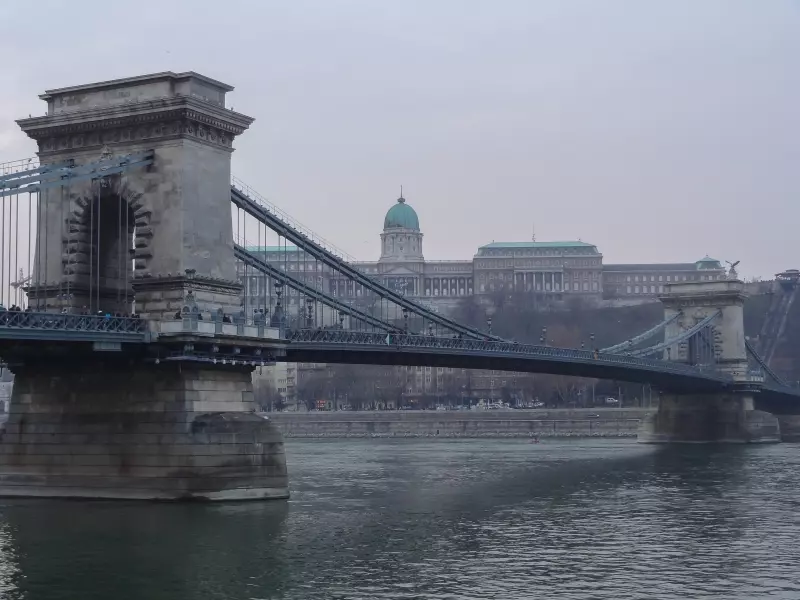 Die Kettenbrücke in Budapest
Photo: tp
Die Kettenbrücke in Budapest
Photo: tp
Quick facts: Budapest
- Budapest comprises the very different urban areas of Buda and Pest, on either side of the Danube.
- The Castle District, Parliament, Chain Bridge, Central Market Hall, museums and thermal baths offer a range of different experiences.
- Choosing one main focus for each day leaves more time for getting around, taking breaks and visiting indoor attractions.
- Where you stay and how you use public transport are especially important for getting between Buda and Pest.
- Spring, summer, autumn and winter bring different daylight hours, crowd levels and activities suited to the season.
- Check opening hours, reservations, timetables and the latest entry requirements before your visit.
Overview and travel style
Buda, with its Castle Hill and views, and Pest, with its Parliament, boulevards, cafés, market hall and nightlife districts, are two very different parts of the city. When planning, it is important to consider distances, the time of year, transport and specific onward destinations together. Depending on the region, short journeys around town, longer train rides, coastal locations, museums or seasonal conditions can significantly affect your itinerary.
A realistic plan sets a few firm priorities and leaves time in between for getting from place to place. This is useful on arrival days, during museum visits, when travelling by bus or train, and at places where weather, crowds or opening hours can affect the day’s plans. For Budapest, plan departure points, connections and the return journey around the specific day’s itinerary.
Attractions, daily life and atmosphere
The Castle District, Fisherman’s Bastion, Parliament, Chain Bridge, Great Market Hall, Gellért Hill and the thermal baths are among the best-known stops. A good visit combines popular sights with quieter stretches. Squares, museums, markets, riverbanks, parks, restaurants or individual neighbourhoods provide a sense of direction, while breaks and walks between stops make the day feel less packed.
It is especially helpful to choose one clear focus for each day. A museum, neighbourhood, viewpoint, market or stretch of coastline is more memorable than an itinerary that tries to fit too many stops into a short time. In Budapest, plan indoor visits, access and the routes between each main focus separately.
Routes and combinations
The city is easy to combine with other destinations in Hungary and stretches of the Danube. Hungary Hungarian cuisine Eastern Europe The best combinations follow genuine transport links and nearby themes. For a specific route, consider each journey, overnight stop and seasonal connection.
For city breaks, where you stay and how you get around by public transport are often more important than the straight-line distance on a map. In coastal towns, border regions and larger cities, plan return journeys, timetables and contingency time into the day in advance. In Budapest, compare your accommodation’s location with your main daily routes and realistic breaks.
When to go and practical tips
Spring and autumn are often pleasant for walking around the city, visiting museums and spending active days outdoors. Summer is particularly suited to the coast, long evenings and lively outdoor spaces, but can put more pressure on accommodation and transport. In winter, short walks, museums, cafés, thermal baths and cosy restaurants become more important. For Budapest, plan departure points, connections and the return journey around the specific day’s itinerary.
Before booking, check the latest entry requirements, timetables, opening hours, public holidays, local rules and weather conditions. It is worth checking again shortly before travelling for museums, popular old towns, restaurants and beach destinations. Leaving contingency time in your schedule is not a waste; it makes room for spontaneous discoveries and breaks. In Budapest, compare your accommodation’s location with your main daily routes and realistic breaks.
Budapest between the Danube and its neighbourhoods
Budapest brings together views of the Danube, the Castle District, thermal baths, market halls, café culture and lively neighbourhoods. Good trip planning takes into account whether you are making a first visit, staying longer or travelling with specific interests such as architecture, bathing culture, museums or Hungarian cuisine.
Organising your routes, transport and places to stay in advance makes it easier to connect Buda and Pest. A daily rhythm that combines viewpoints, indoor attractions and breaks is especially helpful, rather than overloading the day with too many individual stops.
Budapest is best organised by neighbourhood and interest, rather than simply by a list of famous sights. Hungary places the capital in the context of wider travel routes; Bratislava makes a good nearby comparison along the Danube. For further stops by the lake or in the Great Hungarian Plain, Lake Balaton and Szeged offer different kinds of stays and distances.
A good day in the city combines a focus in Buda or Pest with indoor visits, walks and breaks. Check current opening hours, admission and any reservation requirements for thermal baths, museums, markets and popular viewpoints. Culture and history and Hungarian cuisine round out the options. Getting there and getting around and Travel preparation help you coordinate where you stay, your daily rhythm and your return journey realistically.
Conclusion for planning your trip
Budapest brings together views of the Danube, the Castle District, Parliament, thermal baths, the market hall, cafés and lively neighbourhoods. Planning your trip around your own interests makes it easier to find the right balance of well-known sights, regional culture and quieter stretches. This helps you coordinate your time, interests and distances throughout your stay.
Plan the Danube, Buda and Pest around your interests
Budapest is easier to navigate when Buda and Pest are planned as distinct parts of the city. The travel destination of Hungary provides the wider context; the Castle District, Fisherman’s Bastion and viewpoints are on the Buda side, while Parliament, the market hall, boulevards and many museums call for different routes in Pest. The Danube connects the two sides, but not every combination is a short walk.
For a longer route, Bratislava, destinations in Eastern Europe and Szeged make good standalone stops. Lake Balaton offers a different focus, combining water, towns and relaxation. If you are planning around Hungarian cuisine or culture and history, leave dedicated time for them.
Before booking, check the latest information on getting there and getting around and travel preparation. The official Budapest tourism information and Visit Hungary provide additional up-to-date information on attractions and events. For thermal baths, museums and heavily visited places, check opening times, reservation requirements, crowd levels and the return journey for your dates.
Budapest FAQ
How many days should you spend in Budapest?
Three full days are a good amount of time for a first impression. Staying longer gives you time for Buda, Pest, museums, a thermal bath, the market hall and quieter stretches of the Danube.
How do you get between Buda and Pest?
Bridges and public transport connect the two parts of the city. Plan the order of your visits around your accommodation, opening hours, crowd levels, weather and return journey.
What should you check before visiting a thermal bath?
Check opening hours, admission, reservation requirements, facilities, rules and how to get there just before your visit, as services and times may change.
Can you combine Budapest with Lake Balaton?
Yes, as part of a longer trip around Hungary. Set aside separate blocks of time for Budapest and Lake Balaton, and coordinate timetables, accommodation and the return journey realistically.
