
Cetinje: Montenegro’s former capital, monastery, museums and travel planning
Cetinje was long the political and cultural center of Montenegro. The small city feels different from the coastal towns: the monastery, former government buildings and museums are close together, while the drive on mountain roads means allowing extra time for arrival and onward travel.
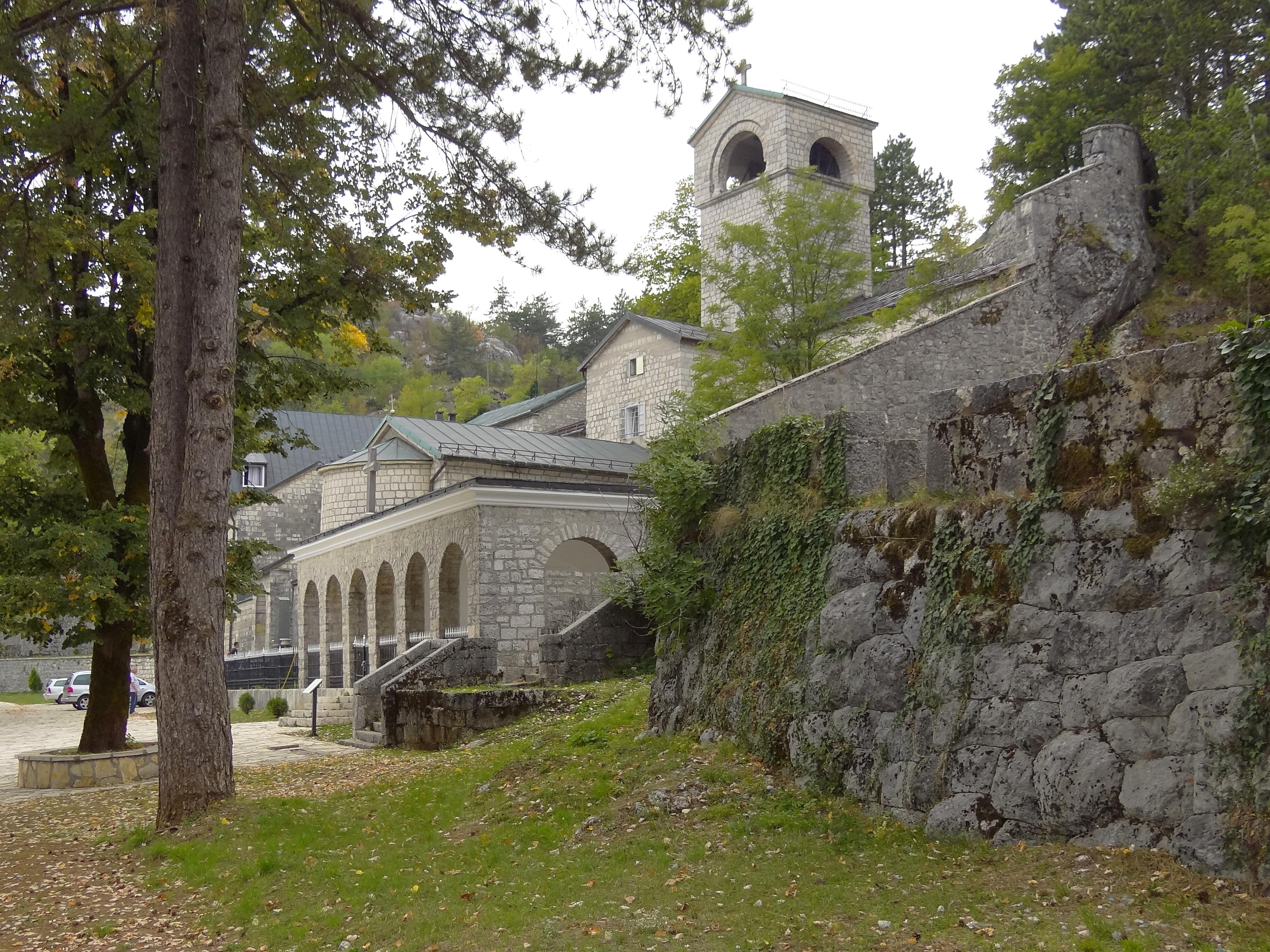 Helle Fassade des Klosters von Cetinje mit Bogenfenstern, Ziegeldach und Bergen im Hintergrund.
Photo: Foto: Adam Jones, Ph.D., CC BY-SA 3.0
Helle Fassade des Klosters von Cetinje mit Bogenfenstern, Ziegeldach und Bergen im Hintergrund.
Photo: Foto: Adam Jones, Ph.D., CC BY-SA 3.0
For further context, see Montenegro, Kotor, Herceg Novi and Tivat. They represent different travel routes and show that a good stay does not have to include as many stops as possible.
Quick facts: Cetinje
- Cetinje was Montenegro’s historic capital and is located inland.
- The monastery, former government buildings and museums shape a cultural walking tour.
- Allow extra time for the drive on mountain roads, taking weather and traffic into account.
- Kotor, Budva, Bar and Žabljak are destinations in their own right, each with a different character.
- Check opening hours, photography rules, accommodation, parking and the return journey before your visit.
- Current traffic, safety and access information takes precedence over older travel reports.
Start with a clear focus
Choose a focus for your first day: a relaxed city walk, culture, a walk along the waterfront or a short excursion. Check opening hours, access and weather immediately before your visit. The monastery and museums each have their own rules. Modest clothing, respect for religious services and checking the latest guidance matter more than a packed schedule. If you are planning an evening outing, decide in advance how you will get back to your accommodation.
Petrovac, Durmitor and the travel checklist can also help round out your plans. However, these destinations should not be crammed into an unrealistic day trip.
Getting there, accommodation and the return journey
Save the address, contact details and last reliable connection for offline access. With a travel checklist and a Plan B, your route remains manageable even if the weather, traffic or opening arrangements differ from expectations. Especially after arriving late, a short trip to your accommodation is often more valuable than adding another activity. For Cetinje, accommodation options are also weighed against the main routes for the day and realistic breaks.
Respect and current information
Respect residential areas, religious sites, natural spaces and local guidance. Historical information can provide context, but it cannot guarantee current availability, safety or accessibility. Before making concrete travel plans, check the binding information provided by the relevant authorities. For Cetinje, visits inside buildings, access and the routes between the main sights are planned separately.
Practical preparation
Good preparation starts with a few simple decisions: When will you arrive, where will you end the day, and what connection can you use as a backup? Download maps and booking details before setting off, note a way to contact your accommodation, and keep important documents separate from the rest of your luggage. For a walk, comfortable shoes, water and clothing suitable for changing weather are more useful than a packed schedule. If you are traveling with others, agree on a meeting point and return time. For Cetinje, accommodation options are also weighed against the main routes for the day and realistic breaks.
Stay flexible if the weather, traffic or access changes. Skipping one stop does not mean losing a day of travel if it leaves time for a relaxed walk, a break and a safe return. Direct questions about admission, swimming spots, guided tours, events or accessibility to the relevant authority shortly before your visit. This lets you combine historical experiences with practical planning without relying on outdated information or unconfirmed advice. For Cetinje, departure points, transfers and the return journey are therefore tailored to the day’s specific itinerary.
Stay alert while traveling
Rely first and foremost on clear, current information rather than expectations based on an old itinerary. A quick look at the route to the next train station, parking area or dock can save a lot of stress later. Keep your phone charged and ready for navigation and enquiries, but do not rely on it exclusively. A separate note with the address, contact details and the next safe step is especially helpful if reception is poor or plans change. In busy areas, keep valuables close to your body; in quiet natural or cultural settings, be considerate, keep your distance and follow local rules. For Cetinje, departure points, transfers and the return journey are therefore tailored to the day’s specific itinerary.
Make time for breaks. A coffee, a bench by the water or a short pause in a sheltered indoor space can make the day much more enjoyable than trying to reach every attraction. If a journey takes longer than expected, adjusting your plans is a sign of good preparation. Taking your time lets you appreciate the architecture, landscape and everyday life more closely, while also making for a more relaxed return to your accommodation. For Cetinje, accommodation options are also weighed against the main routes for the day and realistic breaks.
Take your time exploring the monastery, museums and mountain city
A cultural walk through Cetinje takes in the monastery, former government buildings and museums. Montenegro provides the national context; Kotor and Budva represent different urban and coastal settings. Do not rely on older information for opening hours, admission or the rules of individual institutions.
Tivat, Bar, Petrovac and Durmitor can be added to a longer route, but each is a separate leg of the journey. The elevation, mountain roads, weather and return trip can make combining Cetinje with a tightly scheduled day on the coast impractical. When visiting religious sites, dress appropriately and be considerate of services.
Before your visit, update the travel checklist and schedule, backup options and Plan B, arrival and transport, money and payments, travel safety and culture and history. Montenegro’s official tourism website provides additional regional information; confirm access, weather and opening hours for your specific visit.
Cetinje FAQ
What is Cetinje known for?
Cetinje is associated with Montenegro’s history as a capital, its monastery and its museums and former government buildings.
How much time should you allow for a visit?
Half a day to a full day may be enough for the monastery, museums and a walk around the city. Allow additional time for getting there and traveling onward.
Can you combine Cetinje with Kotor or Budva?
Yes, as part of a longer route. Consider the mountain road, traffic, weather, parking and the amount of time you want to spend at each destination separately.
What should I keep in mind when visiting the monastery and museums?
Confirm opening hours, admission, photography rules, dress requirements, access, weather and your return journey before your visit.

