
Montenegro: The Adriatic Coast, the Bay of Kotor and the Mountains
Accommodation in Montenegro
Montenegro combines a varied Adriatic coastline with the Bay of Kotor, historic towns, gorges, lakes and high mountains. The country is small, but travel times are not always short: winding roads, changes in elevation, border traffic and summer crowds can turn a manageable distance into half a day of travel. When planning, it is therefore more important to choose a few suitable bases than to squeeze as many places as possible into one route.
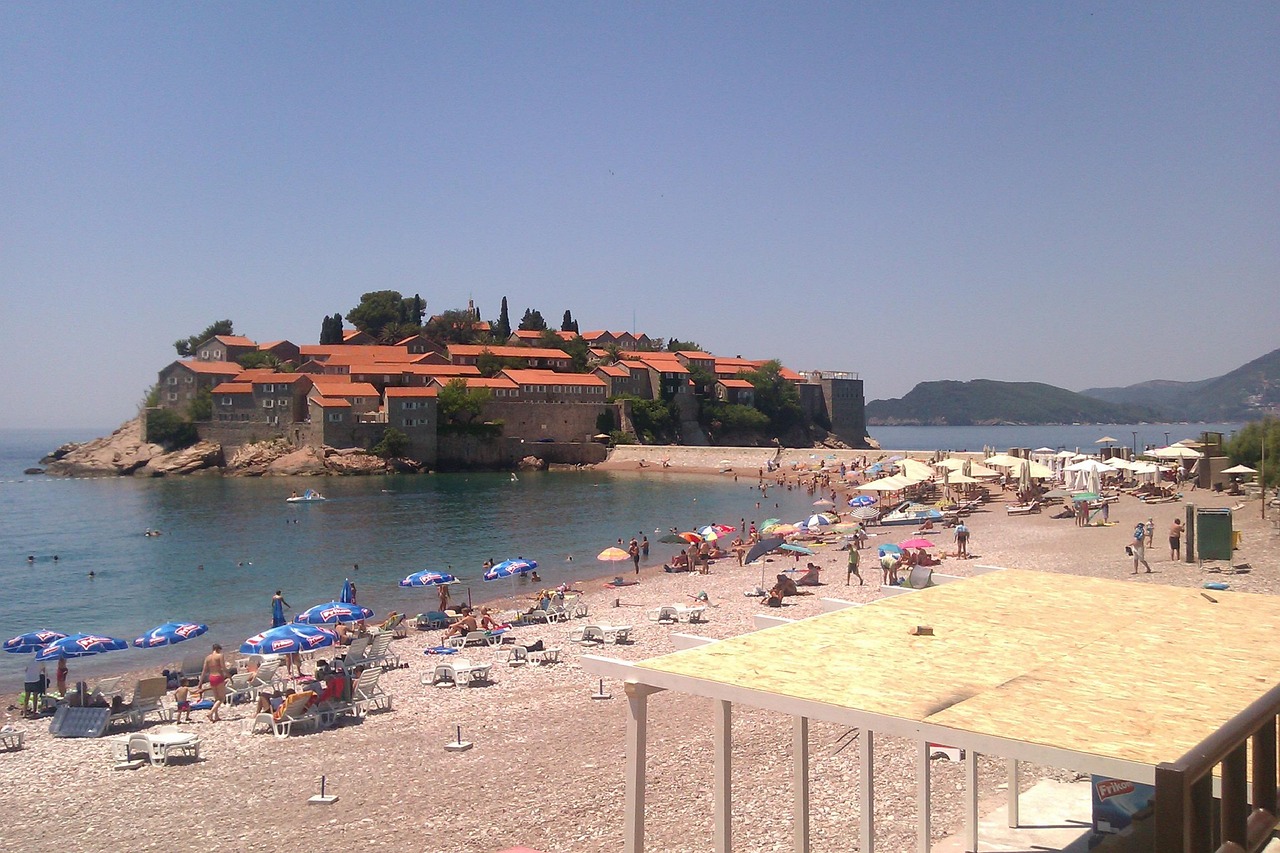 Küstenlandschaft an der montenegrinischen Adriaküste mit einer kleinen Insel vor dem Ufer.
Photo: hungar0c3l auf Pixabay
Küstenlandschaft an der montenegrinischen Adriaküste mit einer kleinen Insel vor dem Ufer.
Photo: hungar0c3l auf Pixabay
Quick facts: Montenegro
- Montenegro combines a short Adriatic coastline with a mountainous interior.
- The Bay of Kotor, Budva, Cetinje, Durmitor and Lake Skadar offer very different experiences.
- Winding roads, elevation changes and summer traffic make many journeys take longer.
- The coast and mountains can be combined geographically, but they do not always call for the same base.
- Croatia, Bosnia and Herzegovina, Albania and Serbia are possible neighbouring stops.
- Check the weather, road conditions, border requirements, opening hours and the latest travel advice.
- Montenegro combines the Adriatic coast, the Bay of Kotor, karst landscapes and mountains.
- Kotor, Budva, Cetinje and Herceg Novi offer different combinations of old towns, seaside scenery and history.
- Durmitor, the Tara Canyon and Lake Skadar are ideal for nature and outdoor activities away from the coast.
- Many stretches of coast are rocky or pebbly; check beach access and shade before booking.
- July and August bring warm beach weather, but also heavier traffic and greater pressure on parking.
- Check the latest information on border crossings, national parks, roads, weather and entry requirements.
The Adriatic Coast and the Bay of Kotor
The Bay of Kotor is defined by steep mountain slopes, expanses of water and historic towns. Kotor itself is ideal for exploring its old town lanes and city walls and taking in its rich history. Herceg Novi offers a different feel, with waterfront paths and a position at the entrance to the bay. The drive along the water is scenic, but plan for stops and allow realistic time for the return journey.
Budva combines a historic old town with beaches and nightlife. If peace and quiet are your priority, choose accommodation not only for its proximity to the sea, but also with traffic, nightlife, parking and the route to the beach in mind. Small coves and popular seaside towns can vary greatly in how busy they are in summer. Checking an alternative beach in advance can make planning your day more relaxing.
UNESCO describes the natural and cultural-historical region of the Bay of Kotor as a blend of historic settlements, coastline and mountains. For visitors, this means respecting historic buildings, local paths and sensitive landscapes. A boat trip or viewpoint can help you appreciate the setting, but neither replaces a walk through the towns themselves.
Mountains, national parks and the interior
If you want to experience the mountains as well as the coast, plan a separate section of your trip in the interior. Durmitor is known for its high mountains, lakes and hiking. The Tara Canyon and Lake Skadar take you into landscapes that cannot be treated, in terms of time or atmosphere, as a quick stop along the coast. For hikes, take account of the weather, trail conditions, elevation gain, water and the return to your starting point.
Cetinje adds a historical perspective and a former-capital atmosphere to the coastal destinations. The route from Kotor through the mountains is spectacular, but calls for care on bends and in changing weather and oncoming traffic. If you are driving, avoid tying every scenic route to a fixed arrival time. If travelling by public transport, check the timetable, connections and return journey before setting out.
Combining Montenegro with neighbouring countries
Montenegro can be included in a Balkan itinerary with Croatia, Istria, Albania, Bosnia and Herzegovina and Slovenia. Border crossings, tolls, vehicle documents, waiting times and differences in traffic rules are not minor details. An itinerary covering two or three countries can work well if you treat travel days explicitly as transfer days.
For a first visit, combining the bay or coast with one nature destination is often more balanced than changing location every day. If you are staying longer, you can mix a stretch of beach, a historic town and a day in the mountains or by a lake. Distances may look short on the map, but the roads are often winding. Early starts, extra time and accommodation with an easy return route are therefore practical choices.
When to go and how to prepare
July and August are ideal for warm beach days, but they also bring the highest demand, heat and traffic. May, June, September and early October are often more pleasant for old towns, scenic drives and hikes; still, check the weather and opening arrangements for your dates. In winter, the coast and towns are quieter, while mountain roads, hiking trails and some activities are more affected by the weather and season.
Montenegro’s official tourism website provides regional information to help with longer-term trip planning. Before booking, also check the location of your accommodation, parking, road conditions, tolls, border formalities, weather and rules in protected areas. This will help you decide whether a rental car, public transport or a single base best suits your travel plans.
Combining the coast, the bay and the mountains realistically
Montenegro is easier to plan when you divide your trip between the coast and the interior. Kotor, Herceg Novi and Budva represent different parts of the Adriatic coast and the bay. Cetinje adds a historical dimension, but its road and elevation make it a separate leg of the trip.
For mountains and nature, consider Durmitor and other lake and canyon landscapes. Coastal roads, hairpin bends, roadworks, limited parking and summer traffic can significantly increase actual journey times. Croatia, Bosnia and Herzegovina, Albania and Serbia can be added as part of a wider Balkan itinerary, but each requires its own border and accommodation planning.
Before booking, check updated information on getting there and getting around, travel preparation, entry requirements and documents and staying safe on the go. Nature and landscapes and culture and history can help you decide what to focus on. Montenegro’s official travel portal provides additional regional information; confirm the weather, road conditions, parking options and seasonal access for your travel dates.
Frequently asked questions about Montenegro
What kinds of trips can you take in Montenegro?
You can combine the coast, historic towns, bays, hiking, lakes and mountains. The best route depends on the season, traffic and your preferred pace.
How long does it take to travel between the coast and the mountains?
Journey times depend on the road, traffic, weather and destination. Allow for elevation changes, hairpin bends, breaks and extra time.
Can Montenegro be combined with a neighbouring country?
Yes. You can continue to Croatia, Bosnia and Herzegovina, Albania or Serbia. Check border requirements and current transport connections separately.
What should I check before driving?
Confirm road conditions, tolls or other fees, border crossings, weather, parking, accommodation, opening hours and the latest travel advice.
