
Cultural holidays: experience history, art and places mindfully
A cultural holiday works best when you don’t try to squeeze every museum and landmark into a single day. A neighbourhood, museum or historic site can tell a richer story when you leave time for getting around, taking breaks and looking at your surroundings. A trip feels especially rewarding when it brings together different aspects of culture: urban history, art, architecture and places of remembrance.
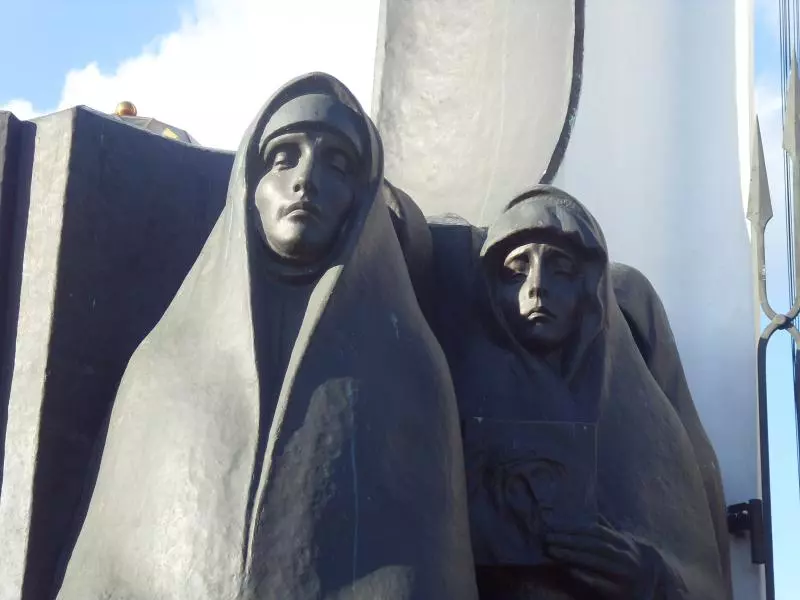 Skulptur im öffentlichen Raum als Bild für Kunst und Stadtgeschichte.
Photo: Markus Lenk
Skulptur im öffentlichen Raum als Bild für Kunst und Stadtgeschichte.
Photo: Markus Lenk
At a glance: Culture & History
- Fewer activities leave more room to take things in.
- Museums, religious buildings and historic old towns each need different amounts of time.
- A walking tour lets you appreciate architecture more than simply planning transfers between sites.
- Historic sites should be more than just photo backdrops.
- Opening hours, admission and access can change, so fixed promises about specific details are unreliable.
- A quiet evening in the neighbourhood is a great complement to visiting museums and landmarks.
Museums as part of a city break
Museums add depth to a trip when they aren’t squeezed in between too many other activities. Museums in Moscow, museums in Kyiv and museums in Minsk offer examples of different urban settings and collections. If you’re interested in historical perspectives, you can pair a visit to a museum with a walk around the neighbourhood.
Landmarks and historic cities
Historic cities are especially rewarding when they’re treated as more than a day trip. Kutná Hora and Dubrovnik are good reasons to plan your architecture, routes and length of stay together. Trakai combines history with a landscape that invites a slower pace.
Understanding history across regions
Some trips follow a historical connection rather than focusing on a single place. The Silk Road in Central Asia is one example of looking at culture across a wider region. By contrast, the National Museum of History in Sofia shows how a single museum can complement a city visit.
Be curious, not overbooked
Good cultural trips leave room for details: a façade, a square, a conversation or an unexpected exhibition. After an intensive visit, deliberately planning a quiet evening often lets you experience more than a packed schedule would. Find other types of trips in holiday ideas.
A good itinerary often starts with whatever sparks your interest: art, architecture, history or music. Walks and smaller places can then help tie your impressions together. Photos make lovely souvenirs, but they shouldn’t replace really looking. If you go in with just one or two questions in mind—about a historical event or a style of architecture, for example—you’ll often take more away from a visit than you would from ticking off a complete list of major sights.
Let your interests guide you
Choosing a cultural focus makes it easier to decide what to see. Some travellers mainly want to look at paintings; others are interested in urban planning, religious architecture or places of remembrance. Having a focus keeps a cultural holiday from becoming a random collection of sightseeing stops. It also makes it easier to strike up conversations locally and creates a connection between different cities or regions.
On longer trips, it can be refreshing to change perspective: follow a museum with a walk, or an old town with a concert or a quiet square with no set destination. Children and teenagers often respond better to short, engaging stories than to long explanations. What matters is leaving room for questions and personal discoveries, rather than simply testing what they’ve learned.
FAQ
How many museums can I fit into one day?
For most travellers, one larger museum or two smaller ones is a good rule of thumb. Remember to allow time for getting around and taking breaks.
Should I plan admission and opening hours well in advance?
If you have a particular request, it may be worth checking the latest information. In general, though, leave room for changes in your daily plans.
Is a cultural holiday suitable for families too?
Yes, if visits are chosen to suit the children’s ages and balanced with free time. A varied pace matters more than a long list of attractions.
How can I avoid sightseeing that feels superficial?
Choosing fewer places, asking questions and spending time in a neighbourhood often leads to a more personal experience.
