
Moldova: Chisinau, Monasteries, and Wine Regions
Accommodation in Moldova - Moldavia
Moldova is a lesser-known destination in Eastern Europe for many travelers, so it calls for especially thoughtful planning. If you are including Moldova in a trip, first decide what role it should play in your itinerary: a starting point, part of a tour, a city base, a nature stop, or a longer stay. This helps create an itinerary that works well on the ground, rather than simply ticking off a long list of place names.
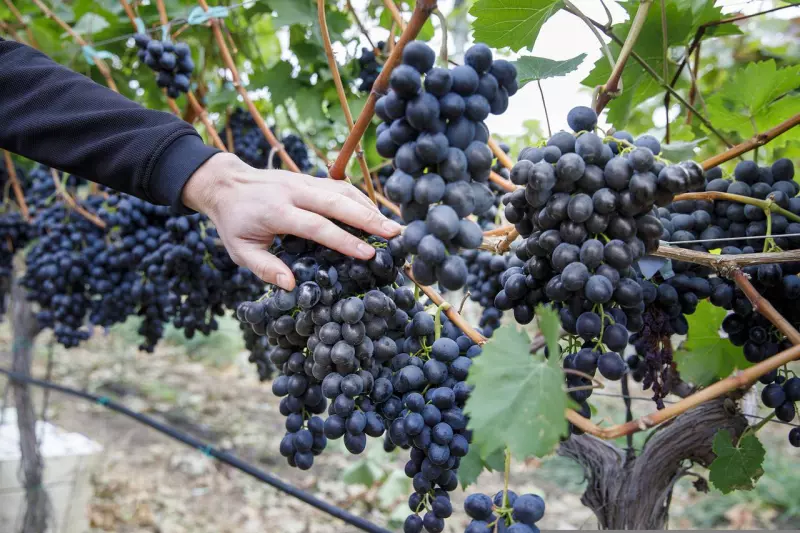 Moldawien Weinbau
Photo: 13alterego13 auf Pixabay
Moldawien Weinbau
Photo: 13alterego13 auf Pixabay
An overview and the character of the trip
The country brings together Chisinau, wine traditions, monasteries, villages, rolling landscapes, and a location between Romania and Ukraine. When planning, it is important to consider distances, border crossings, the time of year, and transportation together. Especially between the Balkans, Central Europe, and Central Asia, short distances on a map can take much longer to cover because of mountains, borders, timetables, or poor connections.
Rather than focusing on a long list of major attractions, the emphasis is on atmosphere, short excursions, and regional character. Realistic planning means choosing a few firm stops and leaving time for the journeys between them. This helps with arrival days, longer bus or train rides, and regions where the weather, season, or local holidays can change the day’s plans.
Cities, landscapes, and culture
Chisinau, monastery sites, wine cellars, river valleys, markets, and peaceful landscapes are among the main ways to experience the country. A good itinerary combines well-known places with quieter stretches. Capitals, historic centers, museums, and markets provide a sense of orientation, while coastlines, mountains, rivers, lakes, or spa towns change the pace and make a trip feel less packed.
Moldova is best experienced at a leisurely pace, since many discoveries are found in small towns, conversations, food, and excursions. It is especially helpful to choose one clear focus for each day. A museum, neighborhood, viewpoint, or stretch of countryside is more memorable than an itinerary that crams too many stops into a short time.
Routes and combinations
Moldova can be combined with Romania, Ukraine, and trips through the wider region of Eastern Europe. Chisinau Romania Ukraine The best combinations follow actual transport routes and neighboring themes. A country page can help you organize your ideas, but it does not replace checking specific routes, overnight stops, and seasonal connections.
Many visitors use Chisinau as a base and add day trips; transfers should be checked in advance. For a tour, two to four carefully chosen bases are often more comfortable than changing locations every day. From these, you can combine excursions, city visits, and nature destinations more easily. If you are driving, consider parking and road conditions; when traveling by bus or train, frequency, transfers, and the return journey matter more than the straight-line distance.
When to go and practical tips
Spring and fall are often especially pleasant for excursions and wine regions, while summer can bring more heat. Spring and fall are often well suited to cities, tours, and active days outdoors. Summer is particularly good for coastlines, lakes, long evenings, and mountain regions, but it can put greater pressure on accommodation and transport. In winter, short journeys, museums, cafés, thermal baths, or winter sports resorts become more important.
Before booking, check the latest entry guidance, timetables, opening hours, public holidays, local rules, and weather conditions. For border regions, national parks, islands, mountain routes, and historic sites, it is worth checking again shortly before your trip. Building spare time into your day is not wasted time; it makes spontaneous discoveries and breaks possible. For Moldova, accommodation options should also be considered alongside your main daily routes and realistic breaks.
Planning a trip to Moldova: Chisinau, wine, and monasteries
Moldova is a small but varied destination, with Chisinau, wine regions, monasteries, villages, and river landscapes. For English-speaking travelers, careful preparation is especially helpful because routes, services, and language situations can vary from one region to another.
A sensible itinerary sets clear priorities: the capital, wine cellars, monasteries, landscapes, and possible onward travel to neighboring regions. Always check the latest information on entry requirements, transport, and safety before traveling.
Planning a trip between city and countryside
Moldova is especially well suited to a trip that combines a city base with excursions to smaller towns. Chisinau offers orientation, amenities, and cultural attractions; beyond the capital, vineyards, river valleys, villages, and monasteries shape the landscape. If you are visiting the region for the first time, do not try to fit every destination into a few days. One main base and a few well-chosen excursions make planning easier and leave time for changes.
In Chisinau, the location of your accommodation is an important planning factor. Staying near central squares, restaurants, museums, and transport hubs can make your days much easier. For excursions to rural areas, however, the actual transport connection, return journey, access to amenities en route, and flexibility in case of changing weather all matter. A map gives only a rough idea of distances; check journey times and seasonal conditions before finalizing your plans.
Combining wine regions, monasteries, and landscapes
Wine regions and monasteries can be treated as different focuses for an itinerary. A wine trip centers on visits, tastings, reservations, and a safe return journey. Monastery sites often call for a different daily plan, as their locations, accessibility, and opening hours can vary. Historical descriptions can help you choose, but they do not replace up-to-date information from the venue or relevant authority.
The landscape between destinations is more than just the route. Small roads, agricultural areas, and changing views of the towns can slow the pace of a trip, but call for realistic time buffers. If you are driving, check the vehicle, insurance, road conditions, and border requirements in advance. If you are using public transport, check connections and return journeys, not just the outbound trip. Confirmed transport is especially important for more remote destinations.
A practical itinerary might begin with a few days in Chisinau, followed by a regional focus. Alternatively, a short wine or monastery tour can be added to a longer trip through Romania or Eastern Europe. The number of stops matters less than whether the transfers fit your time budget. Accommodation, transport, and excursions should all be considered as part of the same planning process.
Seasonal considerations and current checks
The season, weather, and available daylight affect which destinations make sense. Allow extra time for walks, rural excursions, and outdoor visits. Events, opening hours, and transport services may change. Before booking, check current official advice on entry, safety, transport, and local regulations, as well as directly confirming your accommodation and any excursions.
It is easier to understand the region in context by comparing Moldova with nearby destinations. Pages on Romania, Ukraine, Belarus, and the wider region of Eastern Europe can explain the geography. However, they do not guarantee current accessibility or border conditions. For specific decisions, refer to the relevant official authorities, transport companies, and service providers.
Accommodation and daily plans
When choosing accommodation, consider the daily schedule you have in mind. In Chisinau, being within easy reach of key places and having reliable communications are helpful; outside the capital, parking, access to amenities, and the return journey may matter more. Staying in one place for several days makes it easier to adapt to changing weather and reschedule excursions. Before booking, make sure you clearly understand the cancellation or change policy.
Families and travelers who prefer a slower pace are best served by a manageable daily routine, with one main destination and an optional extra. Even on a short trip, do not leave arrangements for the return journey until the end of the day. This leaves room for breaks, unexpected delays, and checking the latest conditions again. Moldova then becomes not a rigid checklist, but a destination that can be planned for while remaining open to change.
For Moldova, first decide whether you want a stay in Chisinau, a wine-and-monastery tour, or a rural route through the landscape. Chisinau works well as a city base; Saharna, Hîncu and Tipova offer different kinds of excursions. Combining Moldova with Romania or Ukraine requires extra time for travel and border crossings.
When choosing accommodation, consider its location, access to amenities, the return journey, and how long you want each day to be. Plan wine visits only after confirming opening hours and reservations, and make sure you have a safe way back; monasteries each have their own rules. Before booking, check the latest information on arrival and transport, entry requirements and documents, and travel preparations. This leaves room for weather, slow country roads, and last-minute changes.
Conclusion: planning your trip
Moldova is well suited to travelers looking for a quiet, culturally interesting destination away from the major tourist routes. Starting with your interests makes it easier to find the right mix of well-known places, regional culture, and quieter stretches. This turns an overview into a useful foundation for a trip that fits together in terms of time, theme, and geography.
