
Solovki: Monastery Islands in the White Sea
The Solovetsky Islands (or Solovki) lie in the north of Karelia, in the White Sea. Like the Valaam archipelago, they became known for their Orthodox monastery. The monastery complex, unique in its own way, with walls of stone and brick, is one of Karelia’s principal landmarks. The Solovki Monastery was founded by two monks who came to the island from the mainland in the 15th century. They built a structure on Bolshoy Solovetsky Island that marked the beginning of the monastery’s history.
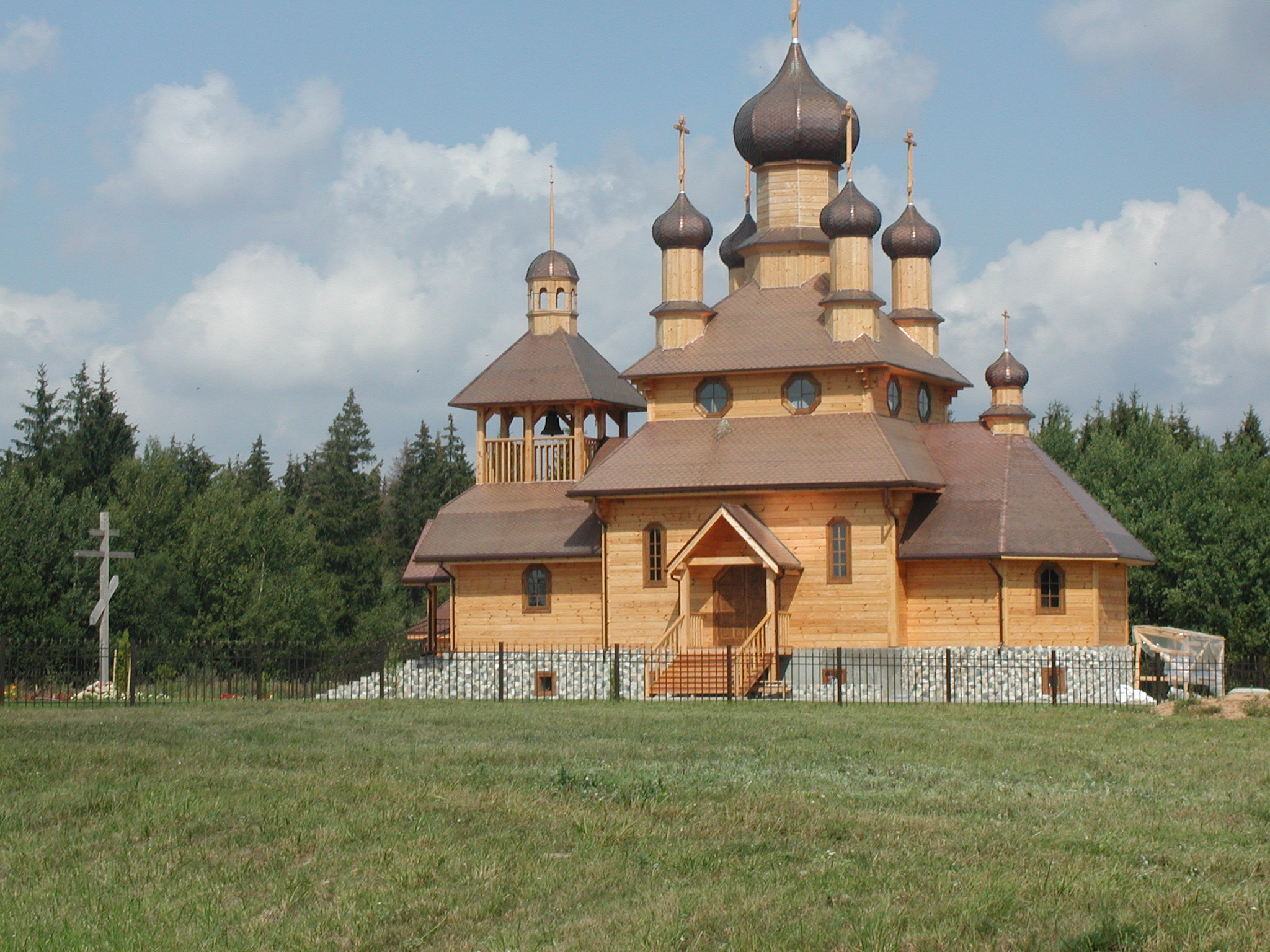 Orthodoxe Holzkirche aus Holz mit mehreren Zwiebeltürmen und Kreuzen.
Photo: Markus Lenk
Orthodoxe Holzkirche aus Holz mit mehreren Zwiebeltürmen und Kreuzen.
Photo: Markus Lenk
Today, the monks would scarcely recognize their once-ascetic home: stone towers, bell towers, church domes, walls 10 meters high, and monastery buildings occupy an enormous area. Thousands of tourists and pilgrims visit the monastery each year.
The Solovetsky Monastery has experienced much over the course of its history. In the 16th century, it became one of Russia’s main northern outposts—a fortress protecting the country’s northern regions from Sweden. But in the 17th century, the monastery had to defend itself against the Russian tsar’s army. The monks of the Solovetsky Monastery rejected Patriarch Nikon’s church reforms and rose up in revolt. The tsar’s army, sent to crush the uprising, was unable to capture the monastery for eight years (!).
Perhaps the most harrowing chapter in the history of the Solovetsky Monastery was the Soviet era. The red commissars adopted the Russian tsars’ practice of deporting people they considered undesirable to Solovki. The island was reshaped in the spirit of the revolution: the monastery was looted and destroyed, and the Solovetsky Special Camp (SLON), the most notorious prison in the USSR, was built here.
Today, restoration work is underway at the Solovetsky Monastery. Traces of Soviet mass persecution are disappearing beneath newly painted icons. The steady flow of tourists during the travel season, from May to September, has spurred bustling commerce on Solovki. The number of people wishing to visit the islands grows year by year. If you decide to visit Solovki, you can get there by plane or by ship from the port of Arkhangelsk or from Kem. The journey from Kem to the island takes between 2 and 6 hours, depending on the weather and the vessel.
Quick facts: Solovki
- The Solovetsky Islands lie in the White Sea, north of the Russian mainland.
- The Solovetsky Monastery is the archipelago’s main historical and religious landmark.
- Fortress walls, churches, island trails, and expanses of water offer varied points of interest for visitors.
- The history of the Solovetsky camp is just as important to understanding the archipelago as the history of the monastery and islands.
- Travel arrangements, ferry schedules, weather, and seasonal conditions require plenty of time to spare.
- Check the latest entry and security conditions for Russia before travelling.
Plan your journey to Solovki realistically
The Solovetsky Islands are a remote destination, and getting there is a major part of the planning. Flights or ships, the weather, and seasonal schedules can all affect travel time. If you want to explore the monastery complex and the landscape, plan to stay several nights and allow for sufficient contingency days.
Before booking, check current schedules, transfers, baggage rules, any permits that may be required, and the conditions for excursions. Weather-related changes can cause connecting services to be cancelled. The archipelago’s historical significance also calls for respectful conduct at memorial and religious sites. A flexible itinerary is more important than a tightly packed schedule.
Explore the monastery, island nature, and history of remembrance
Solovki is the name of an archipelago in the White Sea, best known for the Solovetsky Monastery. The historical and geographical overview of the Solovetsky Islands provides further context on the monastery, fortress, island landscape, and history of the Soviet-era camp. A visit should not reduce these different aspects to an uncritical tourist attraction.
The monastery developed from the 15th century onward and was later also used as a fortress. Churches, walls, towers, and island trails each offer a distinct focus. The history of the Solovetsky camp and political persecution remains an important part of the islands’ memorial history. Respectful conduct, quiet, and the preservation of these sites should take precedence over trying to see as much as possible.
Getting there is a major part of the journey. Check flights or ships, routes via Arkhangelsk or Karelia, onward connections from Kem, the weather, and seasonal schedules individually. Petrozavodsk, Lake Ladoga and Valaam are not automatically short side trips.
When planning walks on the islands, consider accommodation, luggage, water, weather-appropriate clothing, the return journey, and a contingency day together. Getting there and getting around, travel checklist and itinerary, contingency time and a Plan B and staying safe can help you prepare an itinerary that remains workable even if the weather forces a change.
Before travelling to Russia, check the latest travel and safety advice, as well as entry requirements, payment options, communications, and return arrangements. Old schedules, opening hours, or information about visiting the camp do not constitute current confirmation.
Solovki FAQ
Where are the Solovetsky Islands?
The archipelago lies in the White Sea, north of the Russian mainland. The Solovetsky Monastery is located on Bolshoy Solovetsky Island.
What is part of the historical context?
The monastery, fortress complex, churches, island landscape, and history of the Solovetsky camp each offer a distinct perspective and should be considered separately and respectfully.
How do you get to Solovki?
Depending on currently available connections, you can travel by plane or ship from the mainland. Confirm schedules, weather, onward connections, and return travel before booking.
How much time should you allow?
Several nights and a contingency day are advisable for a remote island destination. The actual duration depends on travel arrangements, weather, and which areas are accessible.
