
Crimean Trolleybuses
The Crimean trolleybus line connected inland Simferopol with Alushta and Yalta on the southern coast. Built in two stages and routed across the Crimean Mountains, it represents a distinctive chapter in the peninsula’s transport history.
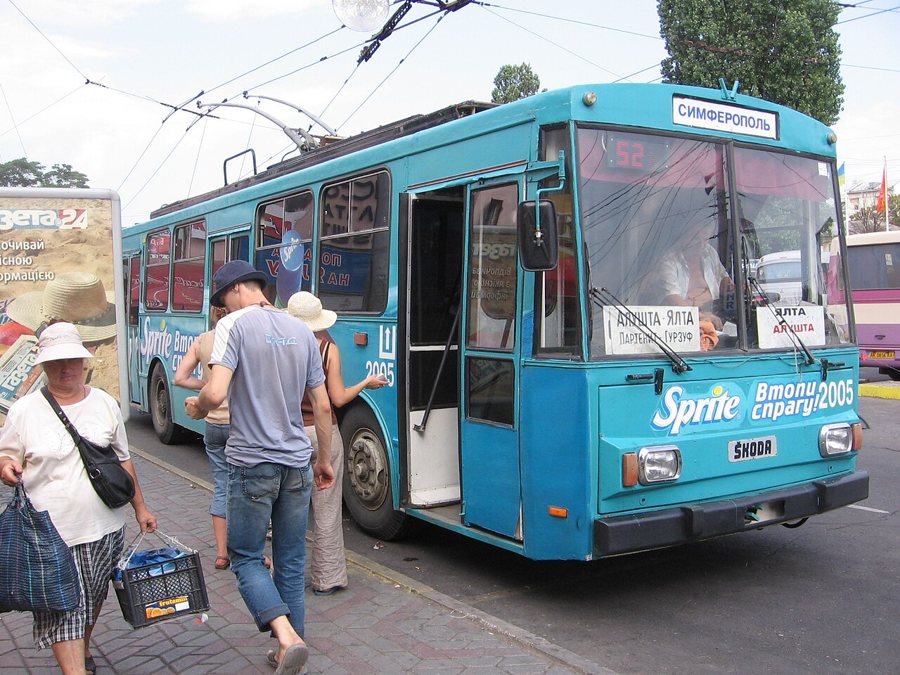
Quick facts about the Crimean trolleybuses
- The interurban section from Simferopol to Alushta opened in 1959; the extension to Yalta followed in 1961.
- The route ran from Simferopol over the Angarsky Pass and through Alushta to the southern coast.
- Different route lengths are cited for the historic long-distance service, depending on whether the starting point was in the city or at the airport.
- Under international law, Crimea is part of Ukraine, but it is de facto controlled by Russia.
A mountain route between Simferopol, Alushta and Yalta
The interurban line was built in two stages: service between Simferopol and Alushta began in 1959, followed in 1961 by the 33-kilometre extension from Alushta to Yalta. The total lengths vary depending on the starting point: the interurban route is cited as 84 kilometres, or 96 kilometres from Simferopol Airport.
The route linked the cities of Simferopol and Yalta via Alushta. From the inland city, the line crossed the Crimean Mountains via the Angarsky Pass before descending to the southern coast. At Angarsky Pass, it reached its highest section before descending to Alushta on the southern coast.
The electric line supplemented transport links between the cities and resort towns. Its history is part of the wider context of interurban transport and regional connections. As a trolleybus line, it followed the roads; rail journeys and railway stations belong to the separate rail network.
Crimea is a peninsula that belongs to Ukraine under international law and is de facto controlled by Russia. According to German travel advice, travel from mainland Ukraine requires authorization from the relevant Ukrainian authority. Entry via Russian territory may violate Ukrainian law and result in a ban on entry or prosecution; according to the advisory, ports and airports in Crimea are closed.
Geographical names and route locations are easier to identify spatially using offline maps.
History and transport in the regional context
The construction stages of 1959 and 1961 mark the line’s gradual extension from inland areas to the southern coast. When planning a permitted trip, a travel checklist with a schedule can help align daily itineraries with confirmed conditions and places that are actually accessible.
For a permitted trip to the peninsula, accommodation should be planned around places and routes that are actually accessible; accommodation by destination can be compared geographically. For entry, passports and personal documents are relevant; on the way, the choice between cards and cash depends on the applicable payment conditions. The official travel and legal conditions for Crimea mentioned in the previous section apply.
The line was a historic interurban connection. For permitted trips, accessible places and local transport conditions determine how to get around; this includes transfers and local transport in the city and region. Mountains, coast and cities shape holidays in Eastern Europe. Travellers should consider the currently available access options for arrival, accommodation and daily travel together; transfers and local transport are part of local travel planning.
Frequently asked questions about the Crimean trolleybuses
What route length is given for the interurban service?
The interurban route between Simferopol and Yalta is cited as 84 kilometres; the historic total length from Simferopol Airport was 96 kilometres.
Where was the route’s highest stop?
The highest stop was near Perevalnoye in the Crimean Mountains, at around 752 metres above sea level. From there, the route continued downhill to Alushta.
In what year did the line reach Yalta?
The extension from Alushta to Yalta was completed in 1961. The first interurban section, from Simferopol to Alushta, had opened in 1959.
