
Prepare a card, cash and a second payment option
A card is useful when travelling, but it should not be your only way to pay. Keeping a small amount of cash and a second payment option stored separately can help if a card is blocked, a device stops working, or a business accepts only a particular payment method. The right preparations depend on your payment provider’s terms and your destination.
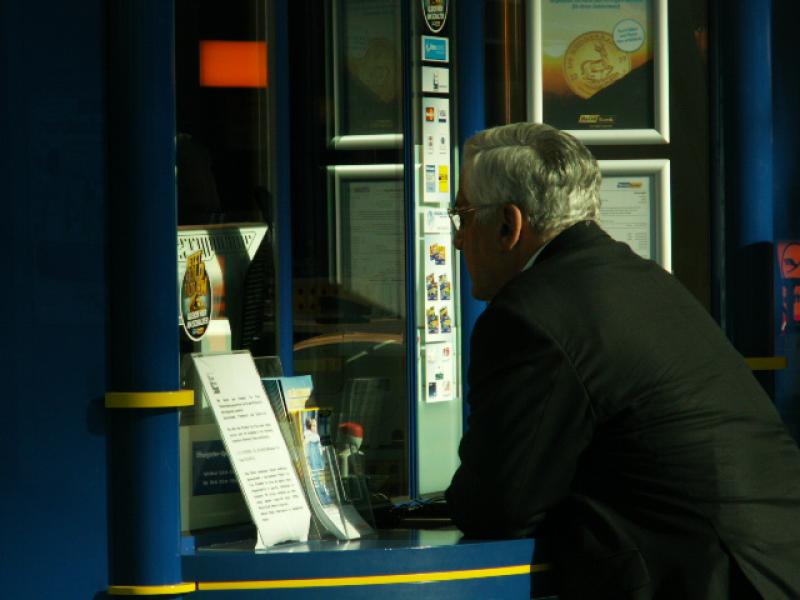 Person an einem Reiseschalter im Flughafen.
Photo: Voyagemedia - RRinnau
Person an einem Reiseschalter im Flughafen.
Photo: Voyagemedia - RRinnau
Quick facts: card, cash and a second payment option
- Plan at least two independent ways to pay.
- Do not keep your card, cash and backup all in the same place.
- Before travelling, check your provider’s activation requirements, limits, fees and contact options.
- A second card or reserve is only useful if it is accessible and ready to use.
- Keep blocking and contact details somewhere other than the device you use for your payment app.
- Acceptance, exchange rates and fees can vary by country, provider and payment method.
Spread your payment options sensibly
A simple plan could include a main card, a small cash reserve and a second card or another available payment method. Keep these in separate places. Money and payments covers the key questions to consider while travelling. Use Travel funds and daily budget to tailor your reserve to the length of your trip, your route and your expected expenses.
Keeping things separate does not mean hiding everything so well that it becomes inaccessible. The point is to avoid losing all your payment options at once if something goes missing. Reserves, contacts and a Plan B adds to the practical preparations for a change of plan or an emergency purchase.
Check the terms before you leave
Check with your provider whether your card needs to be activated for your destination, what limits apply and how blocking or replacement works. Fees, billing, foreign currency and ATM use may also be subject to different terms. Do not rely on general information if your specific agreement says otherwise.
Save your provider’s contact details offline as well, and keep the key information somewhere other than just your banking app. Back up your travel documents digitally explains how to store contacts, booking details and emergency information. For your passport and personal documents, see Passport and personal documents.
Using cards, cash and reserves day to day
A card can be convenient for larger or recurring expenses, while cash can come in handy for small purchases or in places where card payments are unreliable. What is available locally depends on the business, region and payment provider. So do not assume a particular payment method will be accepted; keep an alternative ready. Bus and ferry journeys may involve extra expenses for luggage, food or changes; see Long-distance buses and ferry connections.
Transfers and rental cars can also have different payment requirements. Local transfers and public transport can help you plan the first leg of your journey; if you are hiring a car, also consider the points in Rental cars and driving locally. Record these amounts alongside your daily budget so you can see whether an extra journey or deposit changes your plans.
Be prepared if a card is lost or stops working
If a card goes missing, block it according to your provider’s instructions. You should be able to access their contact details without the lost device. Also check that your second card or reserve is stored separately and ready to use. If you need to travel unexpectedly, Getting there and transport and Staying safe while travelling can help you organise the next steps.
A payment reserve is no substitute for checking the current requirements for your destination. For an international route, Entry requirements and documents and the full Practical information overview are also important resources.
Before setting off, test your payment plan in practice: make sure your card, PIN, app, backup contact and offline information are all accessible. Pay for small expenses from your planned daily allowance at first, leaving the reserve untouched for a genuine change of plans. If a card is blocked or lost, also check which other card or cash reserve is still available.
If you are travelling in a group, agree in advance who will pay for shared bookings and where you will record the expenses. This means you will not have to make the decision from scratch each time. Also avoid using up the separate reserve on everyday expenses, so it is still available if a card is blocked, you are delayed or you need to continue your journey unexpectedly.
Frequently asked questions
Why is one card not always enough?
A card can be lost, blocked, stop working or not be accepted somewhere. An independent backup reduces your reliance on a single option.
How should I store my payment options?
Keep your main card, cash and backup in separate, secure places. Make sure they are still quick to access.
What should I check with my provider?
Activation requirements, limits, fees, foreign-currency terms, and how to contact them to block or replace a card.
How much cash should I take?
It depends on your destination, trip length, payment acceptance and personal plans. A limited reserve is usually more sensible than carrying one large amount.
