
Economy, Tourism, and Environmental Protection
Tourism can generate income and sustain local services. At the same time, some destinations face pressure on nature, infrastructure, and housing. When travelling in Eastern Europe and Central Asia, it is worth looking at these tensions objectively.
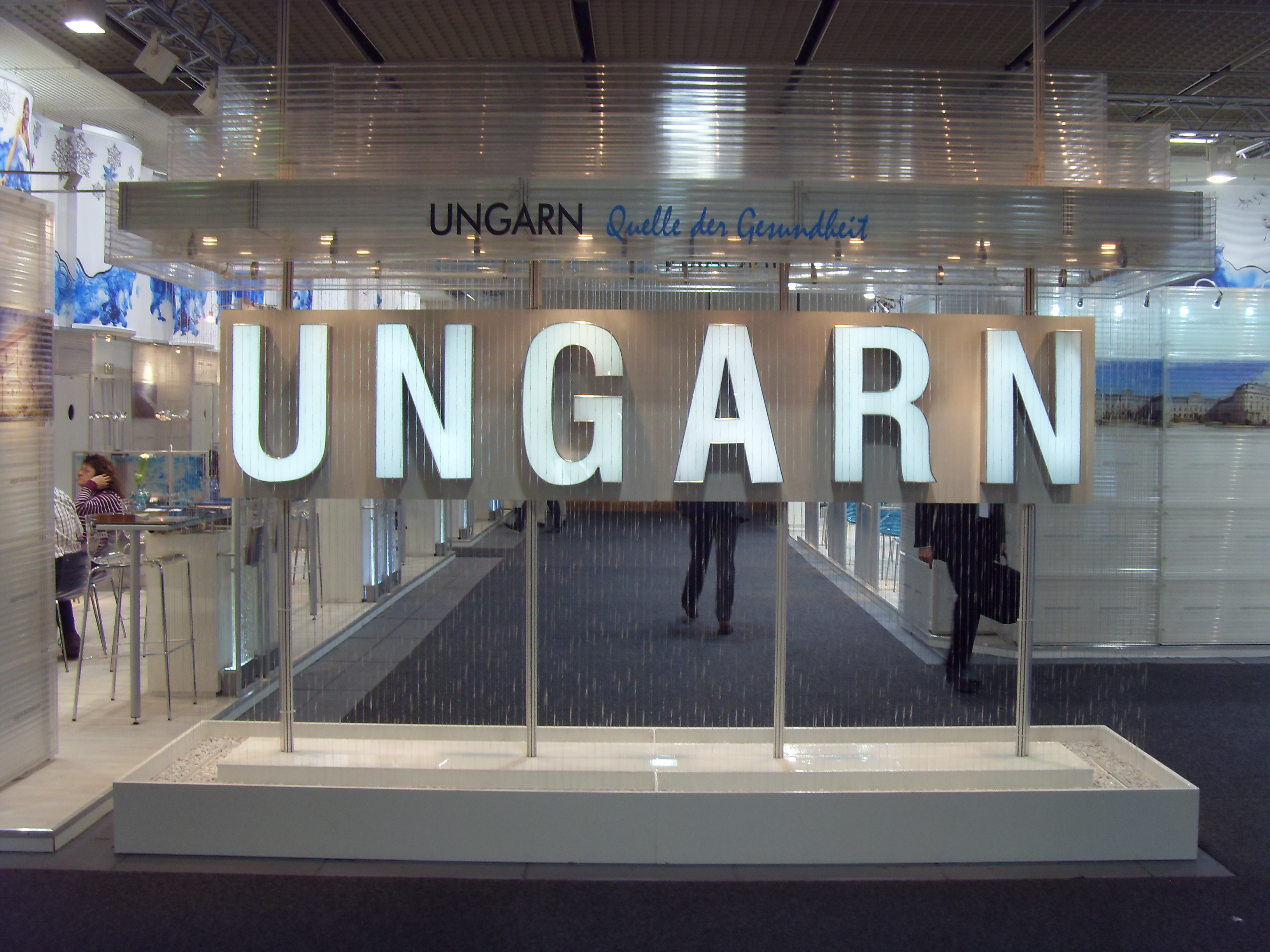 Informationsstand auf einer internationalen Tourismusmesse
Photo: Markus Lenk
Informationsstand auf einer internationalen Tourismusmesse
Photo: Markus Lenk
Key facts: Economy, tourism, and environmental protection
- Tourism can create jobs and generate local revenue.
- The pressures affect places and groups in different ways.
- Peak seasons increase pressure on routes, water supplies, and services.
- Infrastructure can bring benefits as well as new pressures.
- Local figures help put differences between destinations into perspective.
- Travel choices can influence the length and timing of stays, as well as the services used at a destination.
Considering benefits and pressures together
Travel can support jobs, restaurants, crafts, and cultural offerings. At the same time, rising visitor numbers can put demands on land, transport routes, water, and public services. Whether a place mainly benefits or comes under significant pressure cannot be judged in general terms for an entire country or region. The season, the size of the place, its infrastructure, and who shares in the revenue and costs all matter.
When many visitors arrive at once
During holiday periods, visits are often concentrated in a handful of coastal towns, cities, or natural areas. This can lead to longer waits, increased demand for transport, and more waste. Effects on nature and habitats, as well as water use, need to be assessed separately for each specific destination.
Infrastructure requires trade-offs
New roads, accommodation, or leisure facilities can make travel easier and improve local services. However, they can also alter land use or increase pressure on existing systems. An objective assessment requires up-to-date, location-specific information rather than general statements about entire regions. Eurostat’s tourism statistics show that the geographic and seasonal concentration of travel is a relevant issue in Europe; figures for Europe should not simply be applied to Central Asia.
What travellers can influence
Travellers do not determine the overall development of a destination, but they can make deliberate choices about how long to stay, when to visit, where to stay, and what to do. UN Tourism describes sustainable development as bringing together economic, social, and environmental considerations. For planning your own trip, sustainable travel offers a useful framework; more destinations and ways to travel are covered under holidays in Eastern Europe and Central Asia.
Assessing local benefits more closely
Tourism does not have the same effects everywhere. Revenue can support restaurants, crafts, transport, and cultural offerings, while housing, water, routes, or natural areas may also come under pressure. When making personal travel choices, the information on responsible travel can help you consider these aspects together. A local provider is not automatically the best choice; transparent services, fair conditions, and a realistic price remain important criteria.
For nature destinations, the area’s capacity to withstand visitor pressure also needs to be considered. Environmental protection and the pressures of tourism explains how waste, noise, trails, and seasonal peaks interact. Where resources are scarce, the information on water consumption and competing demands points to the local water supply. This helps avoid drawing conclusions about an entire region from a single sustainable offering.
Weighing travel dates and length of stay
Travelling outside the busiest periods can help spread out peak demand, provided the weather, opening hours, and your own safety needs allow for it. A longer stay in one place can reduce the need for additional transfers; however, it is not automatically better if the accommodation or journey is unsuitable. The guidance on energy and climate impact complements the economic perspective by considering distance, transport, and building use.
When choosing a destination, different settings should be considered separately: relaxation, nature and landscapes, and culture and history each have their own requirements. Travellers can ask questions locally, follow local rules, avoid waste, and not take services for granted. These choices will not solve structural problems on their own, but they can make your stay more compatible with local conditions.
Frequently asked questions
Is tourism more good or bad for a place?
It can be both. Benefits and pressures depend on local conditions and how the effects are distributed.
Why do seasonal peaks matter?
When many visitors arrive at the same time, pressure on infrastructure, natural areas, and services increases.
Can a travel choice really make a difference?
It cannot resolve structural issues on its own, but it can influence when you visit, how you stay, and how you behave at the destination.
