
Energy and climate impact of travel
Energy use and climate impacts occur during travel to a destination, at accommodation, and through activities at the destination. For Eastern Europe and Central Asia, it is worth planning with the route, length of stay, and the actual options available at the destination in mind.
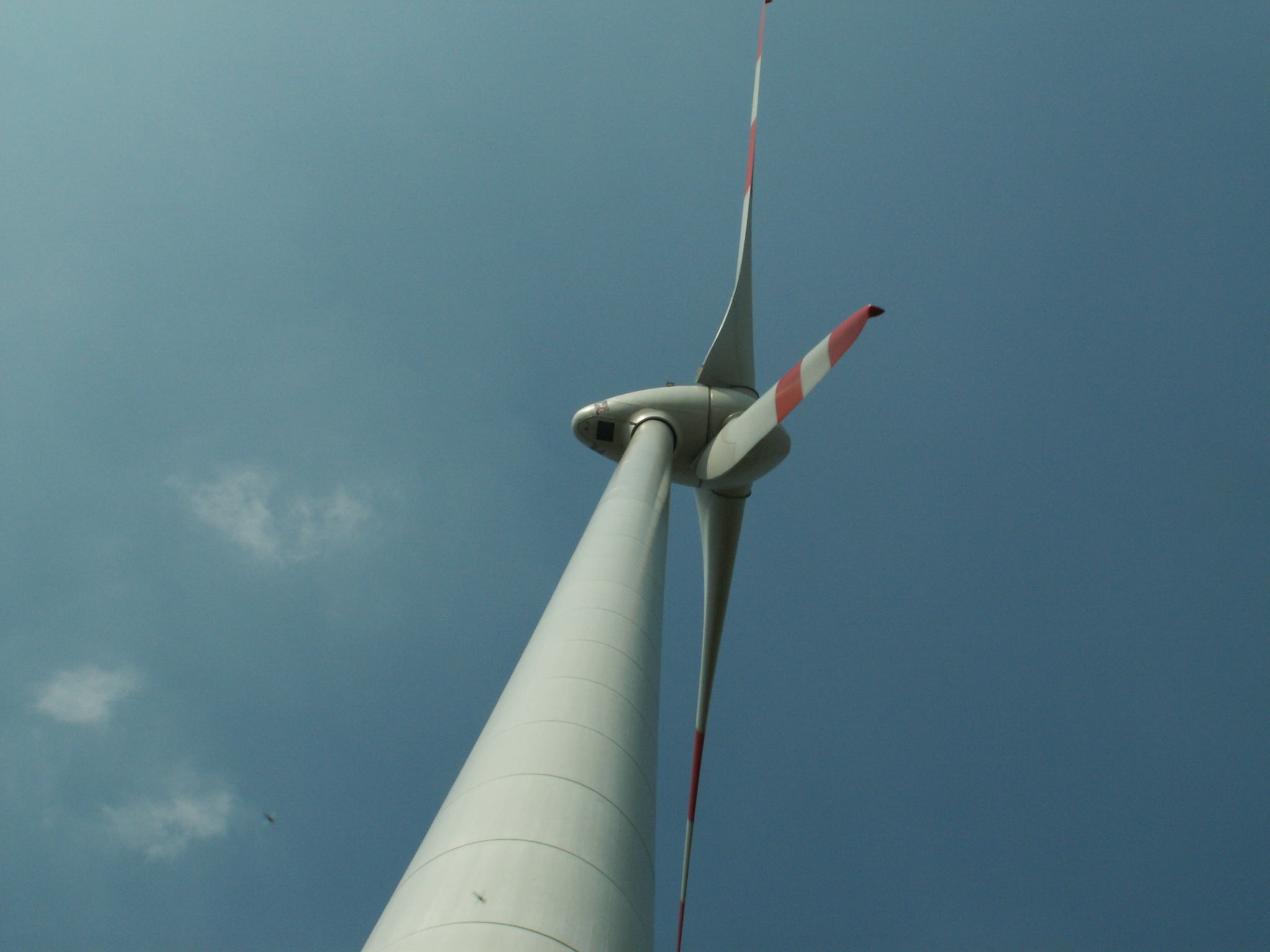 Windenergieanlage als Beispiel erneuerbarer Energie
Photo: Voyagemedia - RRinnau
Windenergieanlage als Beispiel erneuerbarer Energie
Photo: Voyagemedia - RRinnau
At a glance: energy and climate impact
- Transport, accommodation, and activities have different energy needs.
- Distance, occupancy, and length of stay affect a trip’s impact.
- Heating, hot water, cooling, and laundry all shape a property’s energy use.
- General rankings rarely apply to a specific itinerary.
- Local infrastructure determines which options are practical.
- Water and nature conservation remain distinct issues.
Consider the whole trip
A trip does not begin only once you reach your holiday destination. The distance, mode of transport, transfers, and length of stay all affect energy use, as do heating, hot water, and laundry at your accommodation. Especially when travelling long distances to Eastern Europe or Central Asia, blanket recommendations are of little use: what matters is the specific route, the number of travellers, the connections available, and the time spent at the destination.
Plan your journey and stay together
Even when travelling by plane, unnecessary extra journeys can be avoided by planning your accommodation, arrival point, and onward travel together. Staying longer in one place means you do not have to travel long distances for every outing. The most suitable connection depends on the onward links, travel time, and destination.
Accommodation and activities
At accommodation, energy is used for things such as room temperature, hot water, lighting, and laundry. Check reliable information about facilities or local rules directly with the provider. Activities can also use energy and land, so it is worth planning your route, accommodation, and itinerary together.
Realistic choices instead of blanket promises
The European Environment Agency explains the relationship between transport and greenhouse gas emissions, while also pointing out that the specific context matters. The European Environment Agency’s information is therefore a starting point, not a definitive assessment for every trip. The framework for sustainable travel and other travel ideas can help you consider individual choices together.
Compare the travel options that suit you
A trip’s climate impact can only be assessed meaningfully by looking at the entire route. A short stay with several additional journeys may have a different impact from a longer stay with few changes of location. For special types of travel, the route, occupancy, and length of each leg therefore matter. When choosing activities from the Leisure and activities category, also check whether transfers, equipment, and return journeys are included in the offer.
For a city break, direct connections and accommodation within walking distance can help avoid unnecessary extra journeys. For a cultural itinerary, Culture and history can help you choose destinations; for a more relaxed trip, Rest and wellbeing offers a different planning framework. Not every route can be switched to the same mode of transport. What matters is whether a connection is reliable, safe, and practical to use at the specific destination, without inconvenient detours.
Consider accommodation and your daily itinerary together
At accommodation, energy is used mainly for heating or cooling, hot water, lighting, laundry, and equipment. Specific details about location, access, room facilities, and how often items are changed are more informative than general environmental claims. Information on the economy, tourism, and environmental protection also draws attention to local infrastructure: accommodation can only offer options that are actually available at the destination.
Practical choices are connected with issues such as water use, local culture, and responsible travel. This makes it clear, for example, that changing towels, using a pool, or travelling a long way to your accommodation are not isolated considerations. Before booking, check the provider’s information and current conditions at the destination, rather than inferring an impact from general certification labels when it is not substantiated.
Frequently asked questions
Is getting to the destination the only factor that matters?
No. Accommodation, activities, and additional journeys at the destination should also be considered as part of the overall picture.
Are train journeys always the better choice?
There is no general answer. The route, transfers, occupancy, and practical accessibility must suit the specific trip.
What information should I check about accommodation?
Useful details include the location, heating or cooling, hot water, laundry change frequency, and how to get there.
