
Sustainable travel: make conscious choices on the go
Sustainable travel does not mean judging every trip by a single rule. Often, it comes down to several small choices: staying longer in one place, combining journeys on foot or by bike, choosing local businesses, and visiting fragile landscapes with respect. What matters is having a plan that suits the destination and your own circumstances, without making blanket promises about impact or footprint.
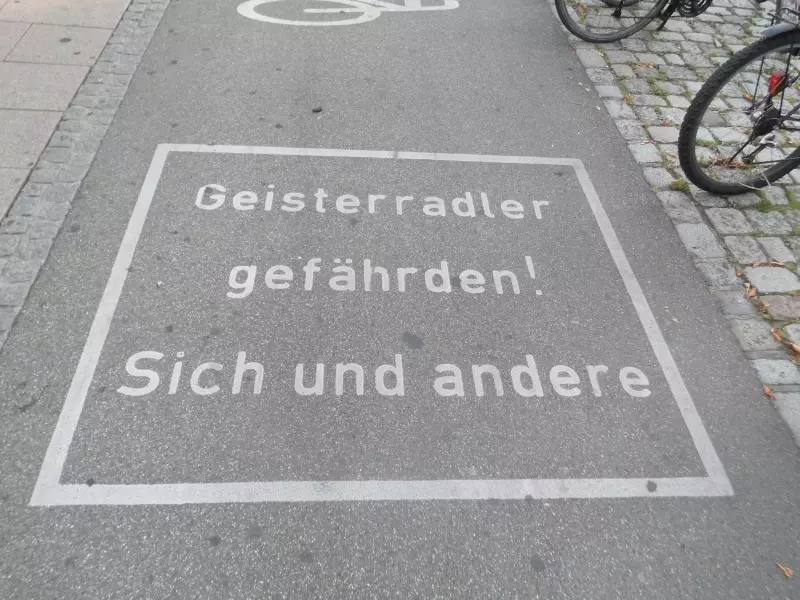 Hinweis für Radfahrende auf einem markierten Radweg als Bild für bewusste Mobilität.
Photo: Bernd Herman, neandertours.com
Hinweis für Radfahrende auf einem markierten Radweg als Bild für bewusste Mobilität.
Photo: Bernd Herman, neandertours.com
Quick facts: Sustainable travel
- Fewer changes of location can reduce travel distances and the rush of travelling.
- Getting around on foot, by bike, or over short distances changes how you experience a place.
- Local products and businesses keep a greater share of spending in the area.
- Protected areas require special care, regardless of how you get there.
- Ferries, buses, and trains can be good options; check current connections before you travel.
- Sustainability is not a label, but a series of conscious choices in the course of a trip.
Stay longer instead of constantly moving on
Spending several nights in one place often lets you experience its routes, cafés, and landscapes more closely than changing locations every day. Saaremaa is a good example of an island where a slower pace comes naturally. Neringa and the Curonian Spit are also best experienced with time and consideration for the surroundings, rather than on a tightly scheduled day trip.
Make thoughtful use of short journeys
Getting around on foot or by bike works especially well where distances are manageable. Juodkrantė and Nida are places where a relaxed daily routine can open up new ways of seeing the coast and landscape. Cycling tours in Kyrgyzstan offer a more active option; make sure the route and level of difficulty match your experience.
Plan island trips with care
Island travel often involves ferry journeys, limited space, and fragile landscapes. The island of Krk and the Croatian islands are examples of destinations where you should not assume schedules are current. Staying longer, shopping locally, and keeping journeys short can make your trip more relaxed.
Don’t treat nature as a backdrop
Travelling thoughtfully also means respecting marked trails, avoiding litter, and not disturbing animals. Sigulda can be a way to explore nature and the landscape, without expecting any particular wildlife sightings. Discovering local cuisine along the way or setting aside a free afternoon often combines consideration for the surroundings with a better travel experience.
Make choices that fit your own routine
Not every trip can be planned in the same way. The key is to choose practical options: plan an extra day, leave one mode of transport behind for short journeys, or visit a fragile area mindfully. Find more kinds of holidays and travel experiences in Holiday ideas.
Travelling thoughtfully also means staying flexible once you arrive. Taking a walk instead of making an extra trip, choosing a meal made with local ingredients, or spending a day without changing locations are tangible choices that don’t require a perfect plan. At the same time, it is important to take local guidance seriously and check current transport or conservation rules when they matter to your stay. This keeps your trip practical and respectful, while leaving you open to whatever comes your way.
FAQ
What does sustainable travel actually mean on holiday?
For example, staying longer in one place, choosing to cover short distances mindfully, using local businesses, and following nature guidelines.
Do I have to give up all air travel to do this?
Travel choices vary. A sensible approach is to reduce avoidable journeys and unnecessary changes of location rather than follow simple blanket rules.
How should I behave in fragile landscapes?
Sticking to marked trails, following local guidance, and keeping your distance from animals helps protect the environment and preserve the experience for others.
Are cycling holidays always the most sustainable option?
Cycling can be a good option on suitable routes. Safety, personal experience, and the actual travel plan remain important.
