
Hiking, Trekking and Climbing Trips in Eastern Europe and Central Asia
Hiking, trekking and climbing trips take you through very different landscapes in Eastern Europe and Central Asia. A short forest trail is not comparable to a multi-day high-altitude trek, and a climbing route requires additional skills and safety measures. Anyone planning Leisure and Activities should choose a trip based on their experience, fitness, the weather and the equipment available.
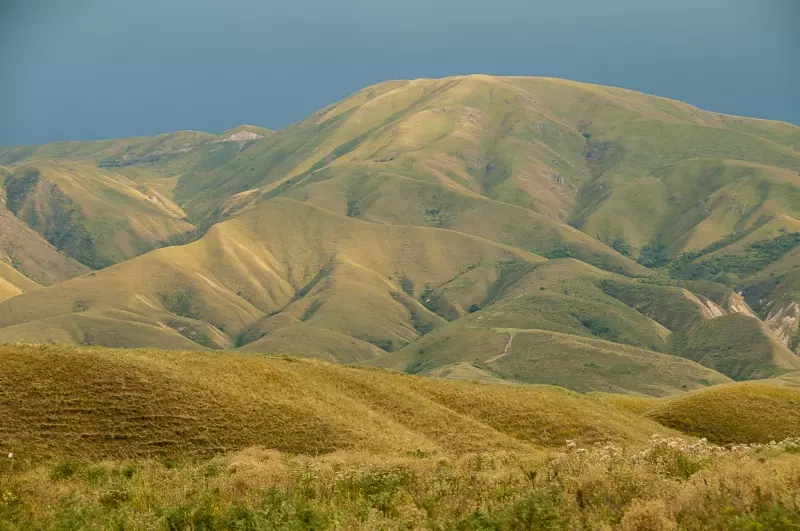 Weite, kahle Berghänge des Tian-Schan-Gebirges in Kasachstan.
Photo: Alesia
Weite, kahle Berghänge des Tian-Schan-Gebirges in Kasachstan.
Photo: Alesia
At a glance: hiking, trekking and climbing trips
- Hiking, multi-day trekking and climbing each involve different requirements.
- Check the difficulty, elevation gain, terrain and options for turning back in advance.
- Weather, daylight and water availability determine how long a trip can safely be.
- Climbing routes also require experience, belaying skills and suitable equipment.
- In remote areas, know the route, return plan and emergency options.
- Nature conservation rules apply even at popular mountain destinations.
Choosing the right kind of trip
A hike may last just a few hours and follow marked trails. Trekking generally involves longer stages, changing accommodations or carrying your own gear, and greater dependence on the weather and supplies. Climbing is an option only when the route, rock, safety systems and your own skills are a good match. Nature and Landscapes can help you choose a theme, but does not replace checking the specific route.
There are different ways to access the mountains around Zakopane and elsewhere in Poland than in the Southern Carpathians, Durmitor or the Caucasus. The mountains of Kazakhstan may also present greater challenges because of their altitude, vast distances and lack of services. A place name alone does not tell you whether a trail is easy, marked, shaded or accessible year-round.
Difficulty and daily planning
Before setting out, find out the distance, elevation gain, terrain, exposed sections, water availability and possible shortcuts. A trip is not automatically easy just because it is short; steep climbs, heat or loose stones can significantly increase the effort required. Allow time for breaks, navigation, photo stops and a buffer in your daily schedule. You should be able to reach your destination safely before dark.
Weather forecasts should be relevant to the altitude and region. Thunderstorms, fog, strong sun, rain or early snowfall can quickly change trail conditions. If conditions are uncertain, turning back is a sensible choice. For multi-day trips, you will also need to plan places to sleep, food, the weight of your pack, water sources and an alternative in case trails are closed.
Equipment and experience
Depending on the route, essential gear includes sturdy footwear, suitable clothing, water, a navigation aid, first-aid supplies and a charged phone. Trekking also requires a sleep system and a stove or a reliable way to obtain food. For climbing, a helmet, rope, belay device and mastery of the necessary techniques are essential; borrowed equipment is no substitute for instruction and experience.
If you are travelling alone, leave your route and expected return time with someone you trust. In remote parts of Kyrgyzstan or Central Asia, mobile coverage and access to help may be limited. An offline map, an agreed emergency plan and a realistic understanding of your own limits are especially important there. Sustainable travel supports trips that respect trails, wildlife and local rules.
Enjoying nature while managing risks
Mountains and gorges are not danger-free backdrops. Rockfalls, streams, exposed paths and sudden changes in the weather must be taken seriously. In the gorges of Montenegro and in protected areas, local closures and trail rules apply. Do not remove trail markers, disturb wildlife or walk off-trail across sensitive areas.
After a trip, Rest and Well-being, regional cuisine or a quiet day exploring local culture can be a welcome change of pace. Those who plan strenuous climbs every day often underestimate the importance of rest, sleep and a weather buffer. A good mountain trip leaves room to stop, adapt and return safely. This flexibility is what makes challenging landscapes accessible without downplaying the risks.
Your specific choices should always suit your destination, available time and local conditions. Current information from the relevant operator or local authority takes precedence over older general advice. If in doubt, a quick enquiry, a flexible daily schedule and a simple alternative are often more helpful than a highly detailed but outdated recommendation. When preparing, consider travel, breaks, weather, supplies and the return route together. This keeps your plans robust even if trail conditions, opening hours or your energy levels turn out differently than expected. A little extra time helps avoid unnecessary stress and leaves room for spontaneous decisions. It also makes it easier to coordinate with your travel group. For hiking, trekking and climbing trips in Eastern Europe and Central Asia, consider the season alongside trail conditions, opening hours and the amount of daylight available.
Frequently asked questions
What is the difference between hiking and trekking?
Hiking often refers to shorter day trips. Trekking generally involves longer or multi-day stages and requires more planning and supplies.
Can I go on a climbing trip without climbing experience?
Only on suitable, easy activities that include qualified instruction. Difficult routes require experience and sound technical skills.
What is especially important in remote mountain regions?
The route, weather, water, return time, navigation, emergency plan and actual accessibility of help.
