
Choose coasts and islands by landscape and pace
Coasts and islands offer more than just beaches. Cliffs, dunes, harbors, lagoons, coves, and ferry ports each shape a different kind of stay. When choosing a destination, travelers should first consider whether they want to swim, hike, observe nature, visit historic places, or connect several islands. Wind, crossings, walking distances, and the return journey can matter more than a single photo opportunity.
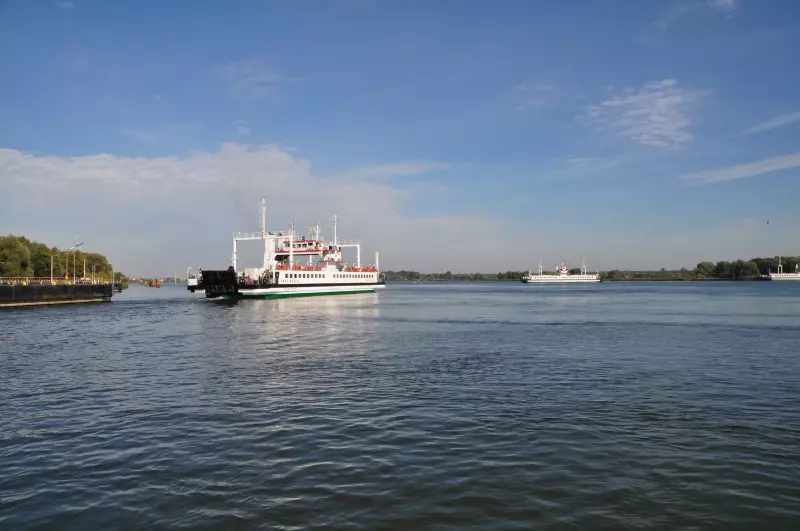 Fähre auf einer breiten Wasserstraße vor flacher Küstenlandschaft als Bild für Küsten und Inseln.
Photo: Karin Höll
Fähre auf einer breiten Wasserstraße vor flacher Küstenlandschaft als Bild für Küsten und Inseln.
Photo: Karin Höll
Quick facts: Coasts and islands
- Coastal weather can be windier and more changeable than conditions inland.
- Island trips depend on ferry schedules, the location of ports, whether vehicles can be taken aboard, and possible alternative connections.
- Dunes, cliffs, salt marshes, and gently sloping shores have different paths and protection rules.
- An island is often best explored from a few bases, with realistic day trips.
- Beach holidays, water sports, and coastal hiking overlap, but each calls for different preparations.
- For relevant coastal areas, check tides, wave conditions, and ferry changes shortly before your trip.
Compare landscapes and ways to travel
A flat coast with a promenade is well suited to short walks and easy outings. Cliffs and rocky coves call for sure-footedness. An island with few roads can offer peace and quiet, but requires more careful planning for shopping, fuel, and the return journey. If you want to visit several islands, consider not only the distance but also routes to ports, waiting times, and the weather.
The islands of Croatia are known for their deeply indented Adriatic coastline; the island of Krk combines an island feel with a permanent road connection. Neringa offers a different coastal landscape, with dunes and a Baltic Sea setting. The Baltic states also have coasts, islands, and port towns, each with different travel conditions.
Plan ferries and routes realistically
When traveling by ferry, include the port, check-in, vehicle transport, and the final leg to your accommodation in the same plan. The travel time shown on a map is not the total journey time. Departures may change in strong winds or with seasonal timetable changes. So check current schedules and operator notices just before your travel day, especially if you are relying on a connecting service.
On the island itself, choosing one base and a few destinations per day can make things easier. For coastal walks, bring water, sun protection, and sturdy shoes, and plan a return route with shade. A path right by the water is not always the safest option; rocks, surf, and private or protected areas can alter the route. The pages on relaxation, activities, and nature and landscape can help you combine different interests.
Enjoy the coast without needing to swim
Not every day on the coast has to be spent at the beach. Harbor towns, fishing villages, lighthouses, waterfront paths, and viewpoints make coastal areas interesting even outside the swimming season. For children, shallow, easily accessible shores and short walks may matter more than a secluded cove. If you are looking for peace and quiet, visit main towns and especially popular beaches at suitable times of day or during a quieter season.
Coastal environments need to be treated with care: take your rubbish with you, don’t cut across dunes or nesting areas, and keep your distance from wildlife. The United Nations explain the importance of healthy seas and coasts as an important framework for these areas. For a longer stay, regional cuisine and an extra day in town are good additions. More holiday ideas can help if wind or ferry schedules change your original plans for the day.
It is worth checking local facilities even outside peak season. Some beach access points, museums, and ferry ticket offices may have shorter opening hours, while hiking trails can be closed during storms. If you plan to visit several places, don’t leave the return journey to the last connection. An extra morning with no fixed plans gives you flexibility for the weather, delays, and spontaneous discoveries.
Your choice of accommodation also changes the rhythm of each day. A room at the harbor makes early ferries easier, while a base inland is often quieter and better placed for visiting several locations. If you are traveling without a car, check how to get to the beach, port, shops, and return connection. Buses may run less frequently on smaller islands than at your starting point; walking or renting a bike can be a practical alternative, but should not be taken for granted.
Take local conditions into account when planning your trip. Clifftops are not accessible everywhere, and storms or high water can change beaches. A promenade is not automatically a safe route in strong winds. For families and older travelers, places to sit, toilets, shade, and a short return route are often more important than finding the most secluded cove.
FAQ
What matters most when planning an island trip?
The ferry connection, location of your accommodation, whether you need a vehicle, and a realistic plan for getting around. You should also have an alternative in case of wind or a cancellation.
When is the best time to visit the coast?
It depends on your destination and plans. Swimming, hiking, wildlife watching, and quieter visits to towns each have different ideal times.
Are coastal paths suitable for families?
Many short routes are, but cliffs, surf, and unprotected rocks are not family-friendly without careful checks. Check the distance and terrain in advance.
