
Discover lakes and wetlands as travel destinations
Lakes and wetlands offer a different kind of travel experience from mountain peaks or coastal towns. By the water, the appeal lies in unhurried walks, changing light, birds, reeds, and an appreciation of how sensitive the habitat is. When planning, the views and photo opportunities are not the only things that matter. Access, water levels, the time of year, trail conditions, and local rules all determine whether a visit can be relaxed and respectful.
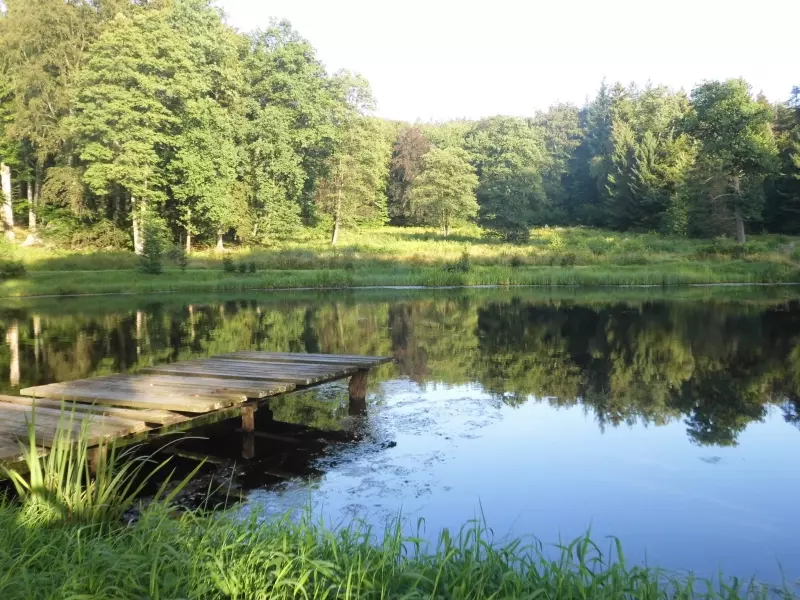 Ruhiger See mit Holzsteg, Schilf und bewaldetem Ufer als Bild für Seen und Feuchtgebiete.
Photo: Bernd Herman, neandertours.com
Ruhiger See mit Holzsteg, Schilf und bewaldetem Ufer als Bild für Seen und Feuchtgebiete.
Photo: Bernd Herman, neandertours.com
Quick facts: Lakes and wetlands
- Lakes, bogs, marshes, and floodplains differ considerably in water levels, terrain, and accessibility.
- Wetlands are often important habitats and are sensitive to noise, litter, and leaving marked trails.
- Lakeside paths can be slippery or partly impassable after rain or flooding, or during the colder months.
- Early morning and evening change the light and wildlife-viewing opportunities, but depending on the area, they may also come with special rules.
- A viewpoint, boardwalk, or observation tower can offer more than a long walk through sensitive lakeside areas.
- Water sports, swimming, and nature watching require different conditions and should not automatically be treated as interchangeable.
Which landscape is right for your trip?
A clear swimming lake, a body of water surrounded by woodland, and a broad marsh or floodplain each create a different travel experience. If you are looking for peace and quiet, choose a small lake with short paths along the shore. If you want to observe wildlife and plants, look for an area with marked observation points and allow plenty of time. For families, safe paths, shade, and short distances are usually more important than the size of the water.
The Danube Delta is known for its water-rich landscape, with numerous channels and wetlands. The Lake Sevan offers a striking contrast: a vast inland body of water at a particularly high elevation. The Baltic states also offer a variety of lakeside and coastal landscapes. If you would like to combine your trip with mountains, consider the Durmitor or the Apuseni Mountains for a change of scenery.
Check the shore, trails, and time of year
Before setting out, find out where public access begins and whether the entire shoreline is walkable. A boardwalk can be slippery when wet, while an unpaved path may be softer than expected after heavy rain. In floodplains and bogs, changing water levels can alter trails. Check the latest information from the area’s management, allow a realistic amount of walking time, and have an alternative destination in mind.
Each season brings different considerations. In spring, trails are often wet, while in summer shade and drinking water become more important. In autumn, fog and shorter days can affect visibility. In winter, ice and snow may make access more difficult. For a specific trip, check the weather, daylight hours, and local notices shortly before your visit. General information about nature and landscapes and relaxing getaways can help you combine different interests.
Observe, photograph, and be considerate
In sensitive areas, binoculars are often a better choice than trying to get especially close to wildlife. Trails, boardwalks, and viewpoints not only protect the landscape but also provide reliable guidance. Keep noise to a minimum; feeding wildlife, flying drones, and entering reed beds or nesting areas may be prohibited. Wetlands are ecologically valuable habitats, not simply open spaces by the water.
For longer stays, choose accommodation within easy reach; you do not need to spend every night right by the shore. A town with shops, a bus connection, and a few evening options can make your trip more relaxing. If you arrive by car, use designated parking areas only. Combining your stay with activities, regional cuisine, or other vacation ideas means that a single lakeside path does not have to define your entire visit.
On a trip lasting several days, it is worth comparing different sides of a lake or different types of landscape. A lake may be calm in the morning and windy in the afternoon; a bog trail feels different in dry weather than after several days of rain. Small wildlife-watching spots, a village by the water, or a viewpoint are easier to combine than a tightly packed itinerary. When planning meals, check whether there are shops along the way, as remote wetlands do not always have a café or an open kiosk.
How you get there also shapes the experience. In sensitive lakeside areas, taking the train, bus, or bicycle and walking a short distance may be a better choice than driving to the closest possible parking spot. If a shuttle service or visitor-management system is available, follow the guidance provided. This keeps your visit manageable without putting unnecessary pressure on the habitat through extra car trips or shortcuts.
FAQ
Are wetlands suitable for a day trip?
Yes, provided that access, trail length, and weather conditions are suitable. Observation towers and short circular walks are often a better choice than setting off on a long hike without preparation.
What should I wear?
Sturdy, preferably water-resistant footwear and several layers of clothing are a good idea. After rain, you may need extra protection from splashes or mud.
Can I take photographs anywhere along the shore?
No. Follow marked trails, observe restricted areas and nesting sites, and comply with local photography and drone rules. Keeping your distance matters more than getting a close-up shot.
