
Belarusian Lakes
Belarusian lakes can be considered as a travel idea when the route, season, access and current conditions all align. Not every historical description corresponds to an offering available today. For this reason, check specific locations, access, opening hours and safety information again before making a decision.
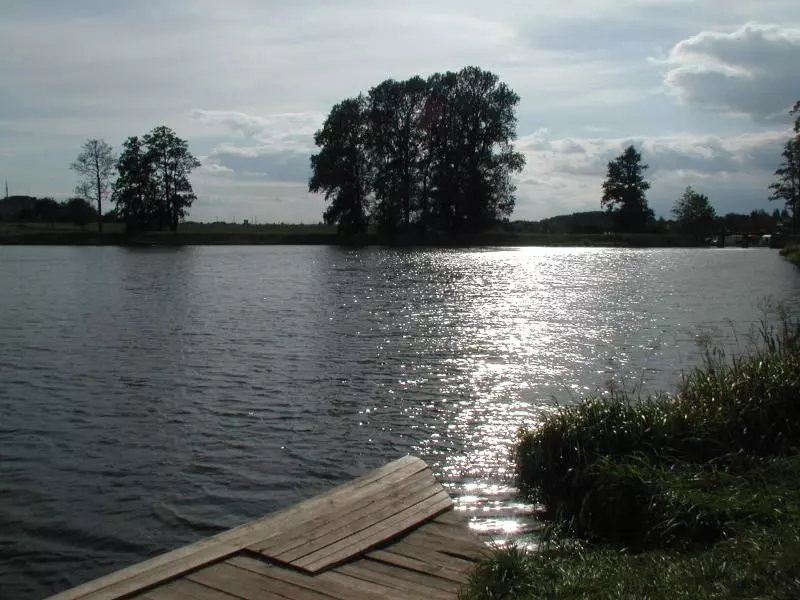 Die Seen sind Weißrusslands großes touristisches Potential. Noch sind die weißrussischen Seen allerdings erst wenig touristisch erschlossen
Photo: Markus Lenk
Die Seen sind Weißrusslands großes touristisches Potential. Noch sind die weißrussischen Seen allerdings erst wenig touristisch erschlossen
Photo: Markus Lenk
Quick facts: Belarusian lakes
- The experience can vary considerably depending on the region, season and your personal travel goals.
- Plan a specific route around realistic travel times and allow plenty of breaks.
- Current information on operations, entry requirements and safety matters more than old accounts from previous visits.
- Local rules, permission to take photos and consideration for residents and workers should all be part of your preparations.
- Planning alternatives helps you stay flexible if the weather, transport or available services change.
Belarus is shaped by its many lakes, rivers, forests and expansive rural areas. Many lakes lie far from major cities and feel quite different from well-known bathing and holiday destinations for that very reason. Quiet shores, reed beds, small settlements, fishing spots and forests define the character of many landscapes.
Nature between water, forest and protected areas
Belarusian lakes are especially appealing to travelers looking for nature, quiet and straightforward access. Some bodies of water are suited to relaxing by the shore, while others are more closely integrated into protected areas or regional natural landscapes. When planning a route, carefully check distances, access roads, accommodation and the time of year.
The lakes can be combined with other nature-focused destinations in Belarus. Forests, wetlands, river landscapes and nature reserves reveal a country that feels slower-paced and more rural beyond Minsk. In summer in particular, lakes, birdwatching and short stays in smaller towns can round out a trip.
Putting Belarusian lakes into context
For further guidance, see the pages on nature reserves in Belarus, Minsk, Gomel and Eastern Europe. Travelers comparing landscape-focused trips may find a similar sense of tranquility in parts of Karelia or around the lakes of the Baltic States.
Current context and planning
Belarusian lakes are presented here as a lasting point of reference. Before planning a specific trip, always check existing information about location, landscape, townscapes or history against current sources. This is particularly important for transport, access, entry rules, safety conditions, seasonal restrictions, medical services, accommodation and local services.
For further planning, see nature reserves in Belarus, Lake Narach and Minsk. These destinations complement one another thematically; check distances and current connections separately when planning your actual route.
Practical tips
If you visit Belarusian lakes or include them in your itinerary, allow enough time for getting around, taking breaks and making last-minute changes. Specific prices, timetables, opening hours and availability are deliberately not listed, as they may change. These details change more quickly than the basic context of a place, its landscape and its relevance to a trip.
This makes Belarusian lakes useful over the long term: as an overview of location, character and worthwhile combinations, not as a substitute for up-to-date travel advice or direct information from providers shortly before departure.
A considered look at Belarusian lakes
The lakes of Belarus shape many landscapes far from major cities and are well suited to travelers who want to consciously include nature, lakeside towns and quiet regions in their plans. It is especially important to have realistic expectations: many destinations are less set up for tourism than classic resort areas, but offer plenty of space for walks, views of the water and a sense of the region.
If you are planning a route, carefully check distances, transport and how the lakes can be combined with Minsk, national parks or smaller towns. This way, individual lake destinations become a peaceful part of a trip through Belarus rather than a rushed detour.
Practical preparations
For a sense of the wider geography, lakes and wetlands are a good starting point. A travel checklist, current information about getting around and offline maps can help with your preparations. Check your documents, addresses and booking details once more before setting off. If you are linking several stops, do not rely on the last possible connection for your return journey. For Belarusian lakes, compare accommodation options with the main daily travel legs and realistic break times.
Lakes and wetlands and history and memorial sites and cities and architecture and rivers, waterfalls and gorges can help with your preparations when routes, time and current conditions are considered together.
Lakes and wetlands and peaceful nature getaways and travel checklist and itinerary and more holiday ideas can help with your preparations when routes, time and current conditions are considered together.
The best travel decision comes from choosing a suitable pace and relying on information that can be verified. Compare your specific reason for traveling with the duration, budget, distances and type of stay you want. If some part of the plan remains uncertain, a shorter leg or a different kind of trip may be the more reliable option. For Belarusian lakes, the route itself, weather, daylight and a safe return matter as much as the scenery.
FAQ
How can I include this in an itinerary?
Make it part of a realistic day trip or multi-day leg, and allow for travel time, breaks and an alternative plan.
Which details need to be up to date?
Check access, opening hours, transport, costs and any safety or entry requirements shortly before your trip.
What should I keep in mind about older information?
Older texts can explain the history and geographic context; current decisions require additional sources.
