
Vayots Dzor: Monasteries, Wine and Mountain Scenery
Accommodation in Vayots Dzor
Vayots Dzor brings together rugged, desert-brown mountains and small lakes with monasteries, caves and a long winemaking tradition. When planning your trip, you can explore the region through the experiences that interest you most: nature, culture or wine. These themes can also help you choose accommodation in a location that suits the places you plan to visit.
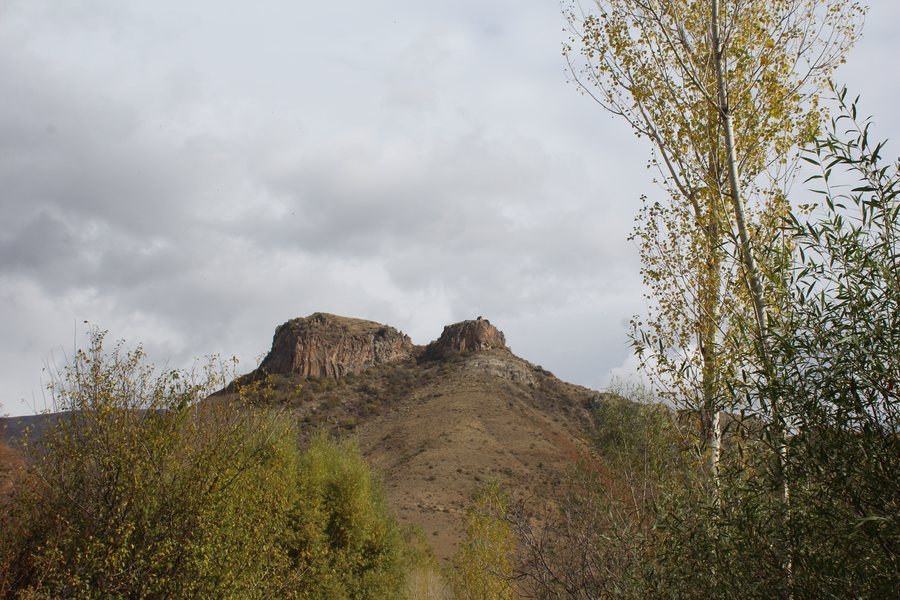 File:Nature of Vayots Dzor Province ԱԹ 004.jpg
Photo: 23artashes via Wikimedia Commons, CC BY-SA 4.0
Vayots Dzor at a glance
The region is characterized by numerous small lakes among desert-brown mountains. Jermuk Waterfall is 72 meters high and flows into the Arpa River. The Kechut Reservoir, also called the Jermuk Reservoir, is also located on this river. Areni-1 Cave is home to a winemaking facility more than 6,100 years old, discovered in 2011.
Which landscapes and natural attractions define the region?
The Arpa Protected Landscape is home to 885 plant species; later inventories may update this figure. Several distinctive natural features come together near Jermuk: the 72-meter-high waterfall flows into the Arpa, and mineral-rich thermal springs have been valued for their healing properties for centuries. This traditional attribution is not a medical guarantee.
The Kechut Reservoir, also called the Jermuk Reservoir, is near the village of Kechut and not far from Jermuk, on the Arpa River. In Magellan Cave, the explored section of the main passage is 1.7 kilometers long. The cave is also home to eight bat species.
Which cultural sites are worth a closer look?
Noravank Monastery is a complex dating from the 13th century. Tsaghats Kar lies six kilometers northeast of the village of Yeghegis. If you are interested in art collections, you can visit the Jermuk Art Gallery: it is a branch of the National Gallery of Armenia and has a permanent collection of around 100 paintings and sculptures from the 1920s to the 1990s.
The Yeghegnadzor Regional Museum preserves more than 9,000 objects, including archaeological finds, old manuscripts, traditional costumes, household items and works of art. Smbataberd Fortress has stood since the 5th century and served a defensive purpose in the Middle Ages. Together, these sites offer different ways to explore the region’s history: from a fortress and monastic complexes to collections of regional objects.
Where can you experience wine and food culture?
The discovery of the more than 6,100-year-old winemaking facility in Areni-1 Cave makes Areni an important point of reference for the region’s winemaking tradition. Areni Cave is also known for its discoveries related to winemaking. The Areni Wine Festival in Areni celebrates the region’s ancient winemaking heritage.
In Vayots Dzor, many local families make wine for their own consumption, which travelers can enjoy during their trip. The Vayots Dzor Wine Route includes stops at wineries where visitors can taste local wine and learn more about regional production. The wineries that participate may vary. Another culinary tradition takes center stage at the Gata Festival in the village of Khachik: visitors can sample the sweet traditional bread and take part in making it. The festival also features folk music, dancing, local crafts and games.
Which routes and activities suit your interests?
The region’s hiking trails combine newly established routes with old Silk Road footpaths. The Gndevank Trail follows old footpaths through the Arpa River canyon to the 10th-century Gndevank Monastery. Access to Smbataberd is described on foot from Artabuynk and Yeghegis. Check current trail conditions before setting out on a hike.
Climbing expeditions with knowledgeable professional guides are offered in Gnishik Canyon and Jermuk; the availability of providers may change. Guided tours are offered at Arjeri Cave, where visitors can learn more about geology and ecology. If you plan to take one of these tours, check the current options in advance.
How do you plan your journey and accommodation?
Vayots Dzor is about two hours from Yerevan by car or bus; actual travel times may vary. When choosing a hotel in the region, it helps to first decide which places you plan to visit and choose your accommodation accordingly. For example, visitors interested in culture can compare monasteries and collections, while others may prioritize scenery, hiking trails or wine destinations.
To narrow your search within the destination, you can also consider the subregion of Yeghegnadzor.
Discover more destinations: Shirak, Kotayk, Aragatsotn, Armavir, Lori, Gegharkunik, Syunik.
FAQ
How is Jermuk connected to Yerevan?
Two highways connect Jermuk to Yerevan. The shorter one, Yeras h–Jermuk–Yerevan, is approximately 170 kilometers long. Road conditions and actual travel times may vary.
Where can you hike to Smbataberd from?
The fortress can be reached on foot from the villages of Artabuynk and Yeghegis. Check current trail conditions before setting out.
How far does public transport go toward Noravank?
Public transport from Yerevan to Yeghegnadzor takes travelers as far as the nearby village of Areni, from where Noravank can be reached. Check current connections before traveling.
See the main travel overview: Armenia.

