
Banja Luka: Hotels, Cultural History and the Vrbas
Accommodation in Banja Luka
Banja Luka combines cultural history, activities on the water and regional specialties. Between museums, fortresses, religious architecture, river routes and culinary traditions, the range extends from archaeological traces to contemporary festival programs.
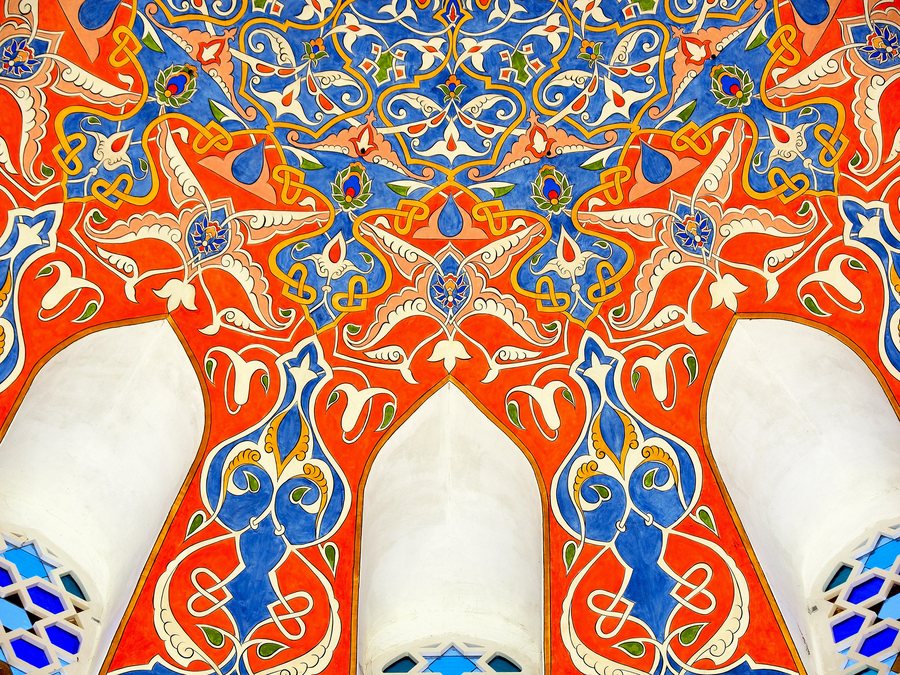 File:Ferhat-Pasha mosque arabesque (Banja Luka, Republika Srpska).jpg
Photo: Petar Milošević via Wikimedia Commons, CC BY-SA 4.0
File:Ferhat-Pasha mosque arabesque (Banja Luka, Republika Srpska).jpg
Photo: Petar Milošević via Wikimedia Commons, CC BY-SA 4.0
Culture
In the center of Banja Luka, the Museum of the Republika Srpska is located near the National Theatre of the Republika Srpska and Petar Kočić Park. The permanent exhibition of the Museum of the Republika Srpska spans the period from the Paleolithic to 20th-century art. The museum also develops various cooperation and educational programs, as well as activities for children and adults. Both the exhibition covering a broad span of time and the institution’s educational and event formats are therefore central features.
Kastel Fortress is the oldest historical monument in Banja Luka. It is located in the center of Banja Luka and shapes the left bank of the Vrbas. Remains of a Neolithic hillfort, as well as finds from the ancient, Slavic and Ottoman periods, have been discovered on the grounds of the fortress. This site therefore brings together architectural history and archaeological traces from several periods.
Gospodska Street is the best-known promenade in Banja Luka. The city’s religious architecture includes the Cathedral Church of Christ the Saviour, which was built on the foundations of the Church of the Holy Trinity, constructed in 1929 and destroyed in 1941. The Ferhadija Mosque was built in 1579 and is considered one of the most valuable cultural and historical monuments of Oriental architecture in Bosnia and Herzegovina.
Activities
In the urban area of Banja Luka, a 15-kilometer route on the Vrbas is used for dajak boat trips. The section of the Vrbas used for water sports extends for 31 kilometers from the Bočac Dam to the center of Banja Luka. Tourists can go rafting on the Vrbas all year round; the best time for this is spring and summer.
Cuisine
Banja Luka ćevap is a regional specialty in its own right. It is characterized by a distinctive shape and a taste that clearly differs from other varieties of ćevap. The history of local cheese production includes the Marija Zvijezda Trappist Abbey in Banja Luka, which has historically been associated with the production of Trappist cheese. The Trappist cheese from the monastery in Banja Luka has a tradition spanning more than 130 years.
Events
Banja Luka’s festival program includes music, film, theater, literature and gastronomy. The disciplines mentioned therefore range from stage and media programs to literary and culinary events.
For travel planning in Banja Luka, different hotel offers can be considered side by side. Types of accommodation and price ranges can be compared independently of the city’s individual themes. Those who first want to get an overview of the culture, river and regional cuisine can then view and compare the available offers. The selection thus remains aligned with personal preferences and the planned budget.
Other destinations
If you would subsequently like to explore other destinations in the same broader area, you can find Teslić, Mišići, Derventa, Pale, Trnovo, Slatina, Staro Rudo here.
To the broader travel overview: Republika Srpska.
More about the destination
Relevant information for your travel planning:

.jpg)