
Satovcha: Cultural Heritage, Nature and Regional Cuisine
Accommodation in Satovcha
Satovcha brings together several specific themes to help you plan your trip: Dolen is known for its cultural heritage, Pletena for Roman bridges and a named cave, while Tuhovishte has its own distinctive character, shaped by its mountainous terrain, cuisine and customs.
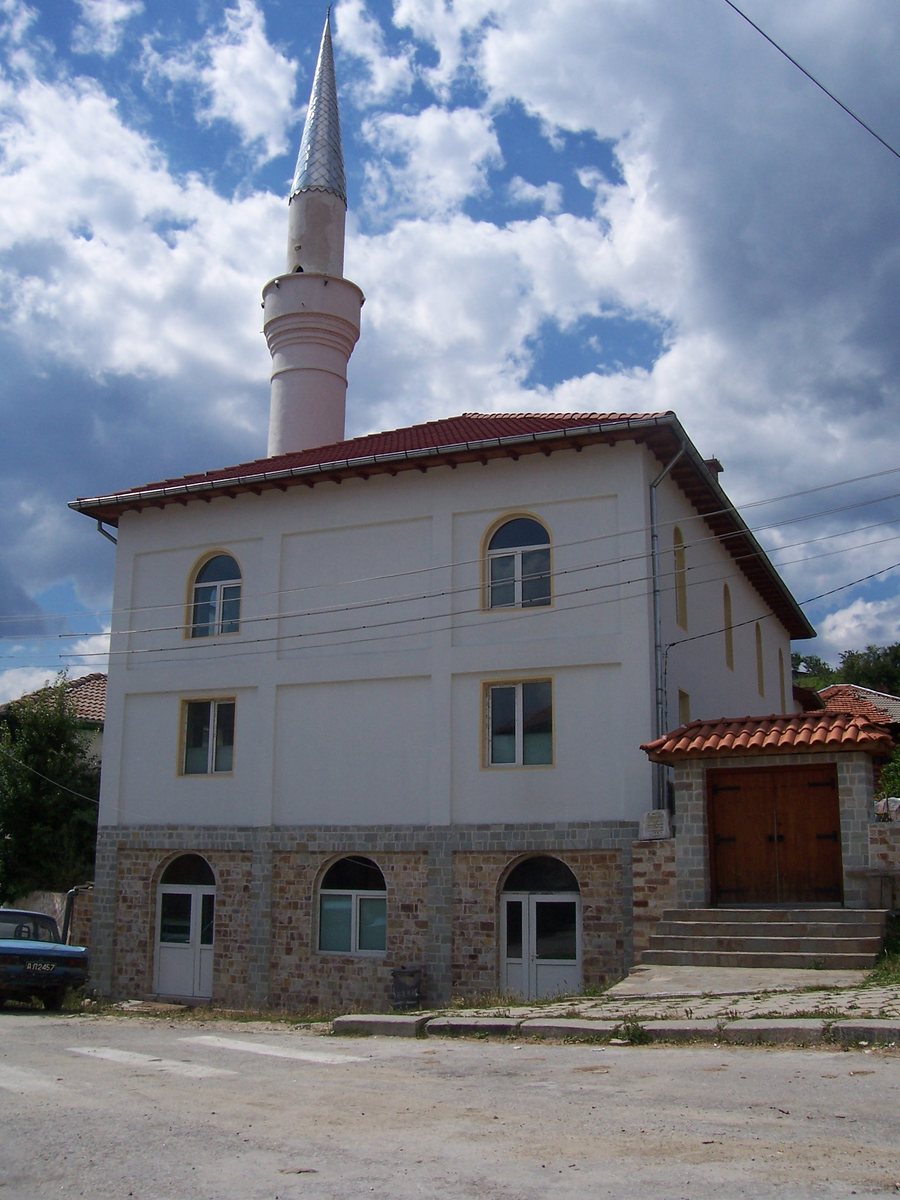
Satovcha at a glance
- Dolen was founded in the 16th century and is a cultural and historical reserve.
- The Revival-period architectural complex in Dolen includes 70 protected cultural houses.
- Konski Dol is located within the municipality, northeast of Pletena.
- Tuhovishte is characterized by predominantly mountainous and semi-mountainous terrain in the Dabrash mountain range.
What places and cultural features can you find in Satovcha?
The places in Satovcha Municipality include Dolen, Tuhovishte, Osina and Pletena. Dolen is a cultural and historical reserve within the municipality. It was founded in the 16th century, and its Revival-period architectural complex includes 70 protected cultural houses. Its founding period and architectural classification offer distinct historical points of reference.
Pletena also has a Roman heritage: there are two Roman bridges in the village. Five Roman bridges stand along the Bistritsa River in Satovcha Municipality. The Satovcha museum collection presents several themes for visitors, adding another cultural perspective to the historic places and structures.
What landscape features are of interest in Satovcha?
The Konski Dol nature reserve is located within Satovcha Municipality, northeast of Pletena. The Mechata Dupka cave, which is 12 metres long, is also in Pletena. There is a panoramic viewing platform at Chukata.
Tuhovishte is characterized by the predominantly mountainous and semi-mountainous terrain of the Dabrash mountain range. One specific route is the “Nepoznatiyat Dabrash” educational trail: it starts approximately in the Pletenski Chark area and ends at the “Dabrash” hotel; the duration is about four and a half hours. As conditions and signage may change, check the route and signage before setting out.
What cuisine and traditions shape the municipality?
Klin, characteristic of Tuhovishte, consists of two thin, rolled-out sheets of dough and a filling made from green plants. The local Priday tradition connects livestock farming with the natural cycle. Traditionally, lambs were separated from their mothers, and families traditionally ate roast lamb on that day. These details offer two distinct ways to experience local food culture: a specific dish and a custom linked to animal husbandry.
The municipal tourist centre in Pletenski Chark gives visitors the opportunity to prepare winter provisions and other dishes using Satovcha recipes, either independently or with the assistance of trained staff. The offer also includes gathering wild herbs and forest fruits. If you plan to take part in these activities, confirm with the centre in advance whether they will be available during your visit.
Discover more destinations: Razlog, Belitza, Yakoruda and Hadjidimovo.
FAQ
Where are the two Roman bridges in Pletena located?
The two bridges are located in the areas known as “Karamanitsa” and “Banyan”.
What is Tuhovishte klin made of?
The filling contains spinach, orache, sorrel, nettle, skriplek and other green plants. It is placed between two thin, rolled-out sheets of dough.
What is the origin of the Priday custom?
Priday is believed to be of Thracian origin and is connected with livestock farming and the natural cycle.
For the broader travel overview: Blagoevgrad Province.

