
Valchedram: Danube Islands, Cultural Heritage and Folklore
Accommodation in Valchedram
Valchedram combines nature in protected Danube areas with archaeological heritage, churches and regional folklore. When choosing your accommodation, consider which of these aspects of the municipality are of particular interest for your trip.
Valchedram at a glance
- The “Ibisha” Nature Reserve is located on the Danube island of Tsibar and covers 34.3 hectares.
- The “Tsibar Island” protected area covers 101.48 hectares; the “Tsibar Islands” protected landscape preserves habitats for protected bird species.
- The ancient Cebrus Fortress is located in Dolni Tsibar and is a registered immovable archaeological cultural heritage site of national importance.
- Valchedram’s cultural life includes folklore traditions, a museum and churches in several settlements across the municipality.
Which natural areas shape Valchedram?
“Ibisha” is located in the eastern part of the Danube island of Tsibar, in the area of the village of Dolni Tsibar. The nature reserve protects characteristic communities of the Danube islands. These include riparian forests and wetlands, as well as refuges for rare and endangered plant and animal species. Those interested in floodplain landscapes and protecting their habitats will find a tangible connection to the municipality’s natural environment here.
The larger “Tsibar Island” protected area has a different defined extent: it includes the part of the Danube island of Tsibar in the area of Dolni Tsibar that is not part of the “Ibisha” Nature Reserve, as well as two smaller islands downstream in the area of Gorni Tsibar. It covers 101.48 hectares. In addition, the “Tsibar Islands” protected landscape preserves habitats for protected bird species that breed, overwinter or stop to rest there during migration.
The “Zlatiata” Special Protection Area is also important for regional nature. It is part of the Natura 2000 network and bears the code BG0002009. The area includes the town of Valchedram and the villages of Bazovets, Gorni Tsibar, Zlatia and Razgrad; it covers 434,987.345 decares. Its purpose is to conserve and maintain the habitats of protected bird species and, where necessary, restore them. The western part of the Zlatiata loess plateau extends across the eastern half of Valchedram Municipality.
What can you learn about history and culture?
The ancient Cebrus Fortress is located in Dolni Tsibar. It is registered as an immovable archaeological cultural heritage site of national importance. It is also part of the serial property “Frontiers of the Roman Empire – Danube Limes in Bulgaria,” which is on Bulgaria’s Tentative List for UNESCO. This status makes Cebrus a distinctive point of interest for travelers interested in archaeological heritage and the history of the Danube region.
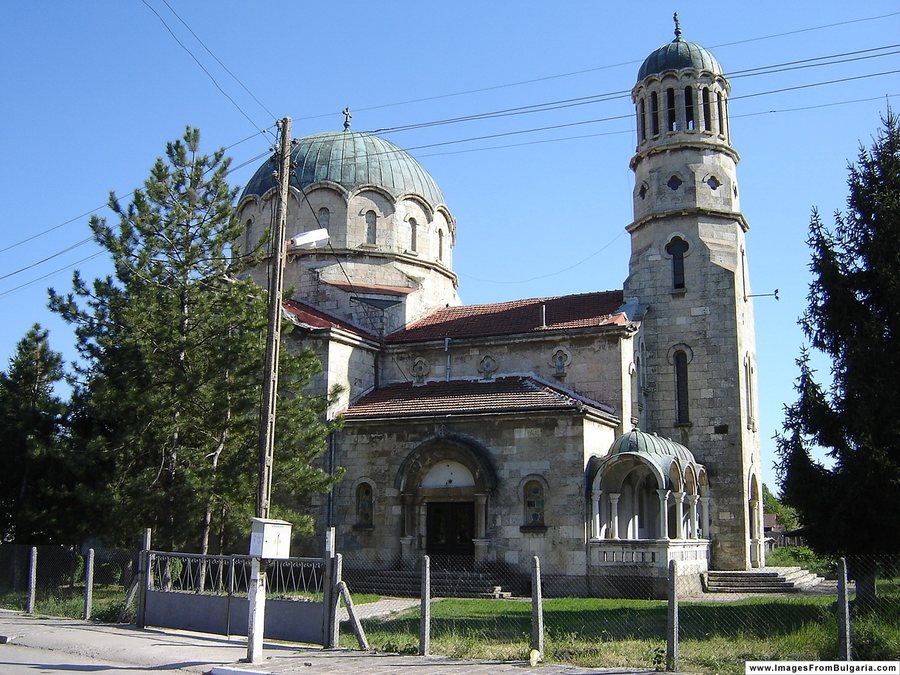
The “Sveta Paraskeva” Church is located in the town of Valchedram. It is a scaled-down model of the Alexander Nevsky Cathedral and is known for its unique iconostasis. Another church, “Sveti Nikolay Chudotvorets,” is in Septemvriitsi, is active and attracts pilgrims. The museum collection in Valchedram was founded in 1960. In 1992, the municipal administration made the former bathhouse building available for the collection. The two years refer to different milestones in the museum’s history.
What folklore and regional cuisine are part of the picture?
Distinctive folklore traditions, customs, songs and legends are performed in the municipality by dance ensembles and amateur folklore groups. The “Kalushari” group from Zlatia was founded in its present form in 2010 to revive an authentic ritual that has been practiced in the village for centuries. The “Songs and Dances from Zlatia” folklore festival lasts two days and ends with a concert on October 14. If you choose folklore as a focus for your trip, these ensembles, the ritual and the festival offer different aspects of regional cultural life.
Regional cuisine also has its place: at the “Sharena Trapeza” competition, organized by “Ralo-1891,” regional cooks compete in three categories—Bulgarian national dishes, original creations and desserts. Culinary exploration therefore encompasses not only traditional dishes but also new creations.
If you would like to compare other places in addition to Valchedram, you can find pages for Razgrad, Botevo, Chiprovtsi, Lom, Georgi Damyanovo, Berkovitsa, Varshets and Montana.
FAQ
How large is the “Ibisha” Nature Reserve?
“Ibisha” covers 34.3 hectares in the eastern part of the Danube island of Tsibar.
What is special about the “Sveta Paraskeva” Church?
The church in Valchedram is a scaled-down model of the Alexander Nevsky Cathedral and is known for its unique iconostasis.
How long does the “Songs and Dances from Zlatia” folklore festival last?
The festival lasts two days and ends with a concert on October 14.
For the broader travel overview: Montana Province.

