
Discover the Municipality of Tinjan: Cultural Heritage, Kažuni and the Jure Grando Cycling Route
Accommodation in Municipality of Tinjan
In the Municipality of Tinjan, travel interests range from historic buildings and Kažuni to cycling routes, views and regional craft traditions. The different highlights let you give culture, landscape and activities the emphasis that best suits your travel plans.
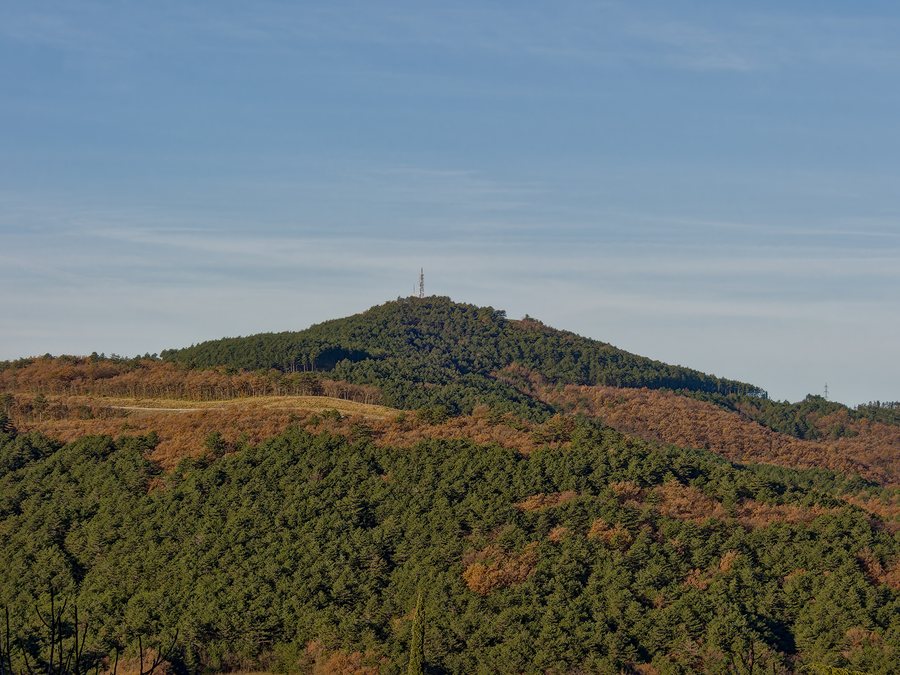
Key facts about the Municipality of Tinjan
- Tinjan’s historical heritage includes buildings from different centuries, among them Romanesque and Late Baroque churches.
- The Jure Grando Cycling Route is a 27.7-kilometre, moderately difficult loop starting in Kringa, with a total elevation gain of 378 metres.
- From the viewpoint in Tinjan, you can see the Lim Valley winding through the landscape.
Which buildings tell the story of Tinjan’s past?
The Depiera House is a Baroque heritage building. Its projecting chimney is dated to 1670; the house also features a Neoclassical arcaded porch and a cistern dating from 1820. The parish church of Saints Simon and Jude Thaddeus dates from the 18th century and is considered an example of Late Baroque architecture in Istria. A much earlier part of the town’s history is represented by the old cemetery church of the Holy Cross, built in the Romanesque style in the 13th century. Together, these examples span the period from the Middle Ages to the Neoclassical addition to the Depiera House.
The visible remains of the older defensive wall also tell of earlier forms of defence. They include bricked-up battlements dating from the 14th century. The former town gate was protected by a drawbridge. The town loggia served a different historical purpose: this covered public space was open on three sides and used for meetings of people’s representatives, municipal leaders and judges. At the Županski stol, local people once made decisions on important matters affecting their community. The buildings and places can therefore be distinguished by their former functions: defence, public assembly and community decision-making each represent a different aspect of the past.
What distinguishes Kažuni and traditional building methods?
Kažuni in Tinjan are not always round; they are often square, and some are even underground. Their varied forms show that these traditional field huts do not fit a single image. Dry-stone construction is another feature of Istrian building culture. It uses natural stone without mortar. There are therefore two different ways to explore traditional building forms: the varied shapes of Kažuni and the construction technique used for Istrian dry-stone walls.
What makes cycling, views and crafts appealing experiences?
The Jure Grando Cycling Route starts in Kringa and follows a moderately difficult loop covering 27.7 kilometres, with a total elevation gain of 378 metres. Distance, difficulty rating and elevation gain are three separate points of reference for gauging the scope of a planned bike ride. Route conditions can change, so it is advisable to check them before setting out. The cycling route also connects the cycling networks of the municipalities of Kanfanar, Sveti Lovreč and Tinjan, linking the Istrian interior with the coast.
The viewpoint in Tinjan offers a different perspective, where you can observe the Lim Valley winding through the landscape. You can choose between different interests: a cycling loop with specific information on distance and elevation gain, or a landscape view of the valley.
Local craft traditions include the festival of kosir knives and other blacksmithing crafts. Traditionally held in Tinjan on the feast day of Saint Simon, it brings together blacksmiths from across Istria. Dates and programme details may vary. The production of high-quality smoked ham is also rooted in the Tinjan area, where numerous registered ham producers preserve this tradition.
Discover more destinations: Kringa, Žužići, Muntrilj, Tinjan, Jakovici, Brečevići, Radetići, Brčići.
FAQ
Which periods of construction are represented in Tinjan’s historical heritage?
The cemetery church of the Holy Cross dates from the 13th century, while the parish church of Saints Simon and Jude Thaddeus dates from the 18th century. Notable features of the Depiera House include its chimney, dated to 1670, and its cistern from 1820.
What should you consider when planning the Jure Grando Cycling Route?
The loop is 27.7 kilometres long, moderately difficult and has a total elevation gain of 378 metres. It starts in Kringa. As route conditions can change, it is best to check them before setting out.
When does the blacksmithing festival take place?
It is traditionally held in Tinjan on the feast day of Saint Simon. Dates and programme details may vary.
What shapes do Kažuni in Tinjan have?
They are not always round; they are often square, and some are even underground.
For the broader travel overview: Istria County.

