
Měcholupy U Blovic – Woodland Landscape and History
Accommodation in Měcholupy U Blovic
Měcholupy U Blovic combines the woodland landscape of Chýlava with cycling, summer swimming and local theatre history. If you are choosing a place to stay based on nature and culture, you can discover both sides of the town here: its location on the southern slope of an extensive woodland massif and historical traces of community life.
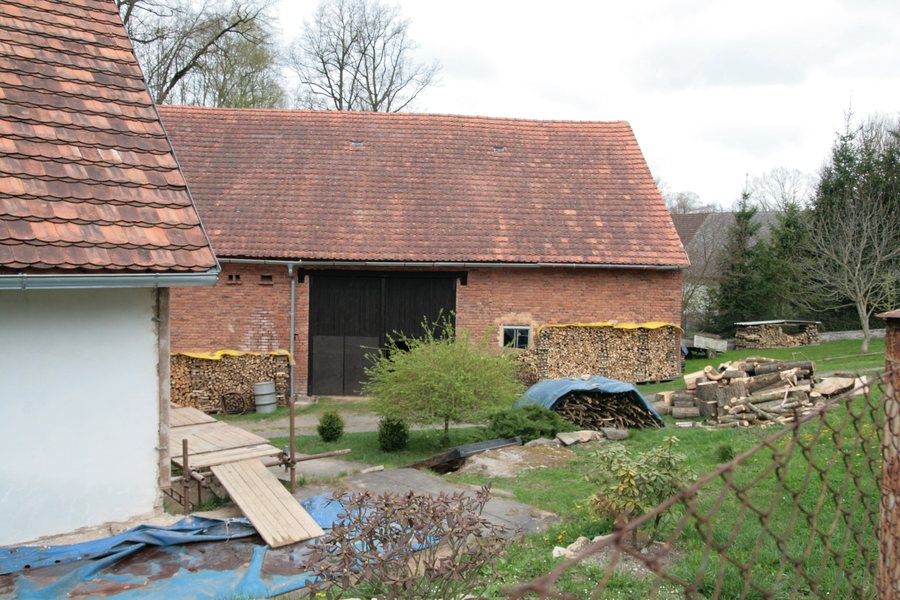 File:Předslav-Měcholupy 10, stodola (8703).jpg
Photo: Martin Strachoň via Wikimedia Commons, CC BY-SA 4.0
Key facts about Měcholupy U Blovic
- The built-up area lies on the southern slope of the Chýlava woodland massif.
- The nature reserve of the same name covers 25.90 hectares and includes mature mixed deciduous woodland and protected ground flora.
- The countryside around Měcholupy is suitable for cycling; on hot summer days, the local firefighting water reservoir can be used for swimming.
- Měcholupy was first mentioned with a year in a 1360 property register of the Pomuk monastery.
What shapes the landscape around Měcholupy?
The built-up area of Měcholupy lies on the southern slope of the extensive Chýlava woodland massif. The massif includes the nature reserve of the same name, which covers an area of 25.90 hectares. It preserves mature mixed deciduous woodland and rich protected ground flora. The landscape brings together trees and plant life: the mature deciduous woodland describes the forest, while the ground flora draws attention to the protected vegetation on the forest floor.
This combination is a useful guide when choosing a destination if you are equally interested in nature and the history of a smaller town. The countryside around Měcholupy is suitable for cycling. Nature is therefore not just a backdrop to the town’s location but is also linked to a specific activity. Those who prefer exploring cultural history can also find historical traces in the town itself and its surrounding area.
What activities are mentioned in Měcholupy?
Cycling suits the countryside around Měcholupy. Another option is swimming in the local firefighting water reservoir, but specifically on hot summer days. The two activities appeal to different interests: cycling focuses on the landscape, while swimming depends on the right season and weather conditions.
If you plan your trip around these interests, you can make nature and exercise one focus, and the history of the theatre and the town another.
What historical traces does the town tell us about?
The first dated mention of Měcholupy is from 1360, when the town was named in a property register of the Pomuk monastery. Another date is 1889, when the volunteer fire brigade was founded. The brigade owned a theatre stage that was also used by groups outside the organisation.
In 1913, additional scenery and a new curtain were acquired. It was painted by Jaroslav Vaisar from Nepomuk. Associations from surrounding villages and travelling theatre companies borrowed the stage. These surviving details therefore tell us not only about the stage’s fittings but also about its use by different groups. For those interested in culture, this offers a different perspective on the town from its landscape and activities alone.
Velká Skála, an archaeological site, is also located near Měcholupy. Earlier investigations took place there, and more recent finds were recovered. Together with the town’s first recorded mention and its theatre history, these provide several historical points of reference: the early written record, community life and archaeological investigations in the surrounding area.
Discover more destinations: Stod, Příchovice, Honezovice, Dvorec, Trebcice, Přestavlky U Dnešic, Klášter, Lisov.
FAQ
Where is Měcholupy in relation to Chýlava?
The built-up area of Měcholupy lies on the southern slope of the extensive Chýlava woodland massif.
When can you swim in the local firefighting water reservoir?
On hot summer days, the local firefighting water reservoir in Měcholupy can be used for swimming.
What is known about the theatre history?
The volunteer fire brigade owned a theatre stage. In 1913, additional scenery and a curtain painted by Jaroslav Vaisar from Nepomuk were added. Associations from surrounding villages and travelling theatre companies borrowed the stage.
To the main travel overview: Plzeň-Jih.

