
Häädemeeste between Coastal Hiking Trail, Bird Migration and Culture
Accommodation in Häädemeeste
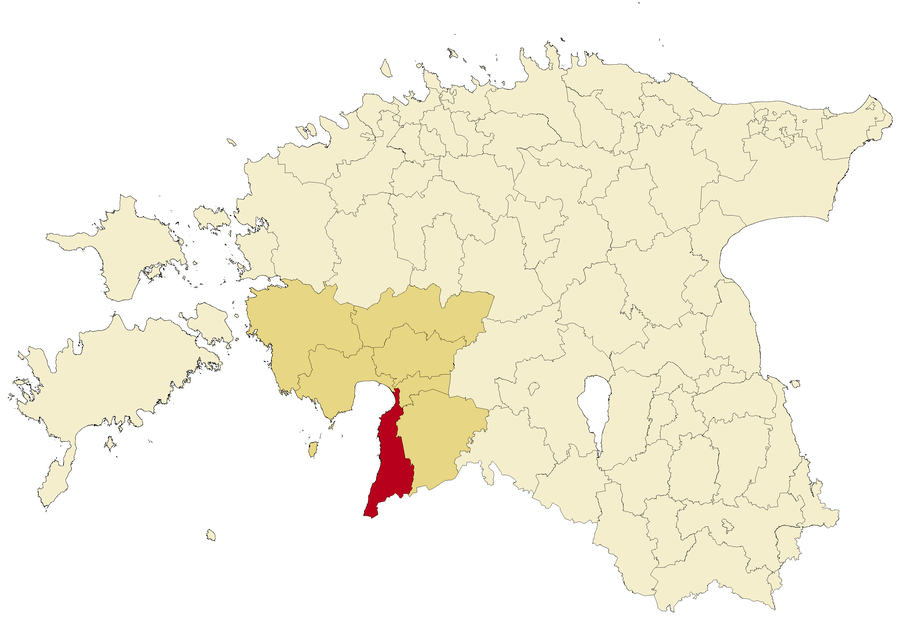
Häädemeeste offers a varied basis for a trip combining the coast, nature observation and Estonian culture. Long hiking routes, short nature trails, beaches, churches, museums and traditional events open up different possibilities for couples and families.
The Kopra–Ikla section of the RMK hiking trail is approximately 74 kilometres long. Numerous rest areas, fire pits and campsites make it possible to hike the route over several days. In Häädemeeste Municipality, this section passes through Kabli and Treimani and ends in the village of Ikla at the Estonian-Latvian border.
The coastal hiking trail is also connected to a wider regional network: it is part of the European long-distance hiking trail E9, which begins at Cape St. Vincent in Portugal and ends in Tallinn.
Which routes are suitable for a short or longer excursion?
For a longer day of hiking, the Kopra–Ikla section, with its length of approximately 74 kilometres, is suitable as a multi-day route. The existing rest areas, fire pits and campsites are an integral part of the route characteristics described here. The route through Kabli and Treimani, as well as its end in Ikla, gives the trail a clear sequence that can be taken into account when planning a trip.
Those who prefer a shorter nature excursion will find two significantly more compact nature trails. The Kabli Nature Trail is 1.8 kilometres long and begins at the Kabli Visitor Centre. The Rannametsa-Tolkuse Nature Trail is a 2.2-kilometre circular route. The different route types and lengths make it easier to choose between a short circuit and a more extensive hiking plan, without both trails requiring the same type of excursion.
What makes the nature around Kabli special?
The Kabli Nature Trail combines its route with specific opportunities for birdwatching. It has a nest-box area and two birdwatching towers. In autumn, there is also a 17-metre-high Heligoland trap at the Kabli Bird Station. For more than 50 years, birds have been ringed there and bird migration has been studied.
The Kabli Visitor Centre complements this natural area with natural-history exhibitions and nature films. At the same time, it provides access to the Kabli Nature Trail. Seminars and educational days can be organised there for groups or families with a particular interest in environmental education; nature education programmes for children and adults can also be ordered.
At Pikla, the shallow and varied coastal waters provide numerous waterbirds with favourable feeding and resting grounds.
How can the beach and nature destinations be combined?
Kabli Beach is only a few hundred metres from the Kabli Bird Station, the Kabli Nature Trail and the Kabli Visitor Centre. This makes it possible to combine the beach, nature trail, exhibitions and birdwatching within a manageable area. This proximity is particularly relevant when planning a day that is intended to bring together several interests.
Another specific coastal location is the campsite at Lemme Beach. It has 15 fire pits, dry toilets and covered areas with tables and benches. This equipment describes the character of the site and can play a practical role when planning a stay at the beach. However, it says nothing about any particular accommodation or its facilities.
Which cultural destinations complement the coastal landscape?
The Church of the Apostles Peter and Paul stands in Treimani. It was completed in 1935 and is a cultural monument of the Republic of Estonia. The Orthodox Church of the Dormition of the Mother of God is located in Tahkuranna. It was built in 1872 from red brick without natural stone and has domed ceilings, panelled arches and ceiling paintings.
The Uulu Church is also connected with a historic route. It has a carriage road more than one kilometre long, lined with acacia trees and oaks and known as Akaatsia allee.
Which events shape the local travel experience?
Kabli Seltsimaja organises a celebration of Estonian Independence Day every year. Tahku Tare hosts traditional Valentine's Day concert dinners at which visitors receive a multi-course evening meal.
The long-standing traditional cultural events at Treimani Rahvamaja include the cultural weeks “Suvesüda Treimanis”. They expand the selection beyond individual historical attractions to include a recurring cultural events programme. Therefore, anyone planning a trip to Häädemeeste can include cultural events in their personal selection alongside hiking and nature observation.
What should you consider when arriving and choosing a hotel?
Regional bus route 76 runs daily from Pärnu Bus Station to the entrance of Jõulumäe Tervisespordikeskus.
When choosing a hotel in Häädemeeste, the planned structure of the day should be the focus. The emphasis may be on the multi-day Kopra–Ikla section, the shorter nature trails near Kabli and Rannametsa-Tolkuse, the beaches or the cultural destinations in Treimani, Tahkuranna and Uulu. The most suitable accommodation location therefore depends on which of these specific stops you actually plan to include in your trip.
For planning your visit to the area, you can also consider Häädemeeste, Ikla and Nepste individually. For an additional comparison of locations, Tori, Varbla Vald, Are, Kihnu Vald and Võiste are available.
FAQ
Which nature trail is also accessible by wheelchair and with a pushchair?
The Rannametsa-Tolkuse Nature Trail is accessible by wheelchair and with a pushchair from the car park to the bog lake. Overall, the trail is described as a 2.2-kilometre circular route.
When is the Kabli Bird Station regularly in operation?
The Kabli Bird Station operates regularly every year from mid-August to early November. It is operated by the Estonian Environment Agency.
What can you learn about at the Häädemeeste Museum?
The Häädemeeste Museum presents the region’s rich cultural heritage. This includes the development of sailing and fishing, as well as the history of the church, school and community life. The museum also offers guided tours on the traditions of fishing families, the history of sailing and local cultural history.
For the overview of the wider travel area: Pärnu.

