
Discover Mánfa: trails, history, and hotels
Accommodation in Mánfa
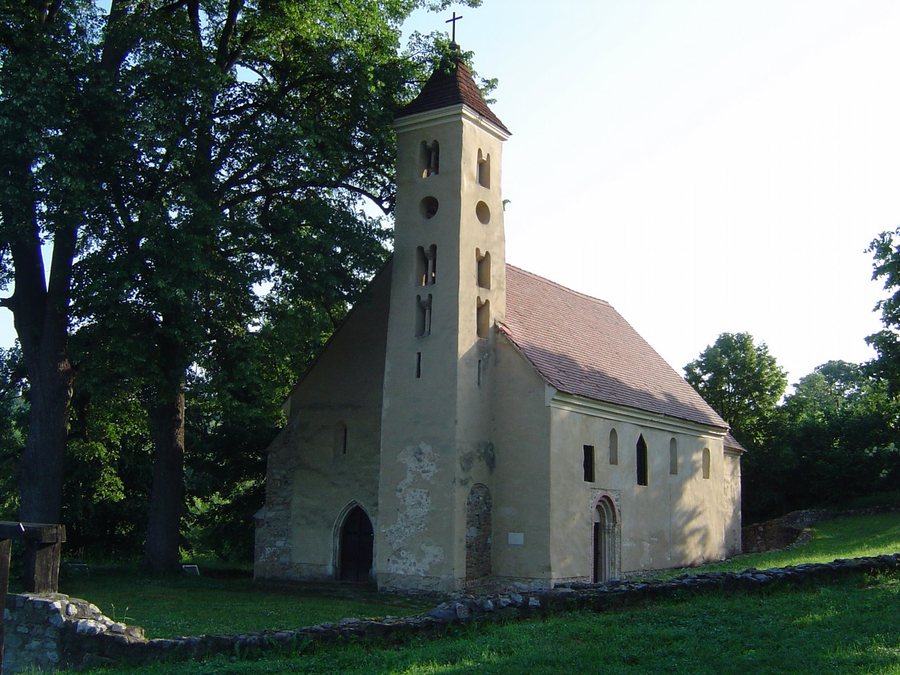
When comparing Mánfa as a travel destination, you can get a clear picture of its hiking trails, cycling route, and cultural history. Important for visiting the Árpád-era church: prior telephone arrangements are required to visit the interior.
Mánfa at a glance
- Vágotpuszta is administratively part of Mánfa and lies in the Mecsek at a junction of hiking trails.
- A 34.16 km route runs from Dömörkapu via the church and cemetery in Mánfa to the Szászvár bus station.
- Prior telephone arrangements are required to visit the interior of the Árpád-era church.
What trails can you explore around Mánfa?
When planning routes, it is worth distinguishing between Mánfa and Vágotpuszta. Vágotpuszta is a small settlement consisting of just a few houses, and is administratively part of Mánfa. It lies in the Mecsek at a junction of hiking trails. Routes for youth hikes and endurance tours also pass through the area.
A popular cycling route also passes Vágotpuszta: it begins in Pécs, goes through Magyarszék and Magyarhertelend, and returns to Pécs. Another option is the 34.16 km route from Dömörkapu to the Szászvár bus station. It passes the Mánfa Árpád-era church and the cemetery in Mánfa. Before setting out, check that the route is currently marked and that trail conditions are suitable.
Another destination nearby is Szent Imre spring. It can be reached from both Mánfa and Magyarszék via the Mecseki Zöldtúra. Since trail conditions can change, it is advisable to check the current route conditions beforehand.
What do the local sites tell us about Mánfa’s history?
The memorial park at 79 Fábián Béla Street commemorates the life of Fábián Béla. He was born in Pécs but grew up in the house at this address in Mánfa. He was killed in February 1945 when the Dráva Bridge in Barcs was blown up.
Another historical connection leads to Vágotpuszta: after November 4, 1956, the settlement became a gathering place for Mecsek resistance fighters who fought against the occupying forces. The events of 1956 are part of Vágotpuszta’s history, while Fábián Béla’s life is connected to the street of the same name in Mánfa.
The church adds a specific place to visit to this local history. The interior of the Árpád-era church can be visited by prior telephone arrangement. Before your trip, check the municipal visitor information for current contact details. The 34.16 km route also passes the church, so the hike and the interior visit can be considered separate aspects of a stay.
What is a specific attraction for families?
The playground at 22 Óvoda Street opened in 2008 and was made from natural materials.
Which cultural attractions are part of the wider destination of Baranya?
As a distinct cultural attraction in Baranya, the Early Christian Necropolis of Sopianae in Pécs features decorated tombs from the 4th century. The burial sites were built as underground burial chambers with above-ground memorial chapels and decorated with Christian wall paintings. The necropolis offers a different perspective on the region from the local history of Mánfa and Vágotpuszta.
Another cultural attraction in Baranya is the Zsolnay Cultural Quarter. Its exhibitions include “Golden Age of Zsolnay,” “Pink Exhibition,” and a display on the family and factory history. Family attractions also include outdoor playgrounds, an interactive lab, a planetarium, the Bóbita Puppet Theatre, a ceramic painting workshop, and classes at the Hercules Workshop.
The freely accessible outdoor area of the Zsolnay Cultural Quarter can be used free of charge during opening hours. Check the current opening hours before your visit. This helps distinguish the local trails and historical sites in Mánfa from the separate cultural attractions in the wider destination of Baranya.
Discover more destinations: Liget, Hosszúhetény, Komló, Kárász, Magyaregregy, Máza, Egyházaskozár, Vékény
FAQ
Is Vágotpuszta a district of Mánfa?
Vágotpuszta is administratively part of Mánfa, but it is a separate small settlement consisting of just a few houses.
What should I know about visiting the interior of the Árpád-era church?
Prior telephone arrangements are required for a visit. Beforehand, check the municipal visitor information for current contact details.
How long is the route to the Szászvár bus station?
The route from Dömörkapu to the Szászvár bus station, via the Mánfa Árpád-era church and the cemetery in Mánfa, is 34.16 km long. Before setting out, check that the route is currently marked and that trail conditions are suitable.
See the wider travel overview: Komló.

