
Discover Bekecs: Churches and History
Accommodation in Bekecs
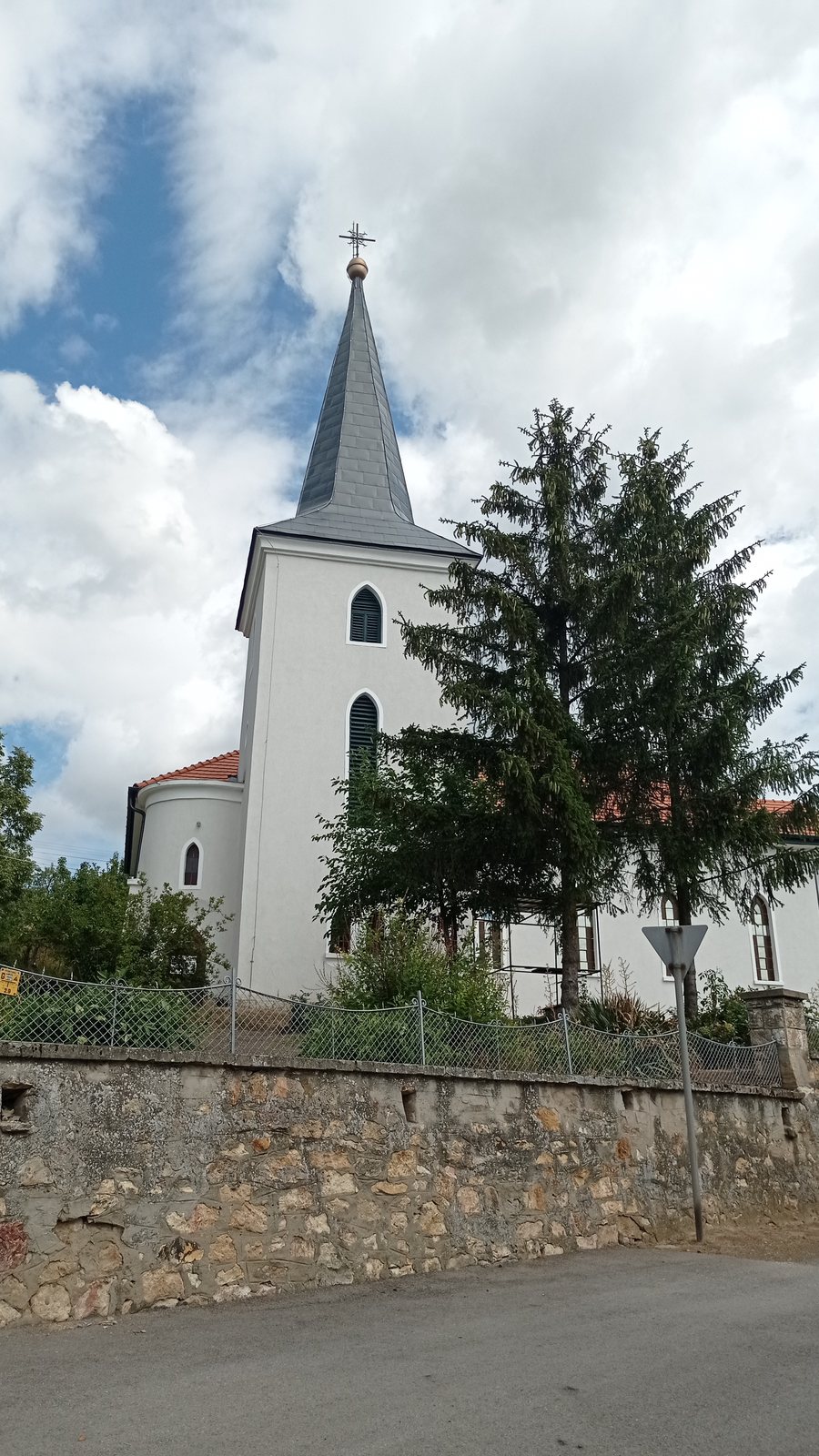
In Bekecs, a Reformed church and a Roman Catholic church tell of different periods in the town’s history.
Quick facts about Bekecs
The Reformed church dates back to a medieval Gothic predecessor. After being devastated and rebuilt, it was consecrated on New Year’s Day 1625. The Roman Catholic Nagyboldogasszony Church dates from the 17th century; its tower, renovated in 1903, is a protected monument.
What church history has shaped Bekecs?
The history of the Reformed church is closely connected with changes in the village. Bekecs was abandoned in 1567 as a result of Ottoman rule. When the Reformed population returned, it reclaimed the dilapidated church and repaired it. By 1620, the building had been completely renovated; consecration followed on New Year’s Day 1625. This sequence makes clear that the church did not simply survive unchanged from the Middle Ages: the Gothic predecessor was followed by decay, repair, and extensive renovation.
The Roman Catholic Nagyboldogasszony Church offers a different timeline. Its construction is attributed to the 17th century, while the tower is recorded as having been renovated in 1903. The tower’s protected status adds a present-day conservation designation to its building history. Together, the two churches offer different points of reference for understanding Bekecs’s religious and architectural history.
What experiences does the wider destination of Borsod-Abaúj-Zemplén offer?
The wider destination of Borsod-Abaúj-Zemplén also offers caves and nature experiences at other named locations. The Baradla-Domica cave system is part of the UNESCO World Heritage Site of the Caves of the Aggtelek and Slovak Karst. A nature trail connects the Aggtelek and Jósvafő entrances to Baradla Cave and presents natural and cultural history. The short Aggtelek Cave Tour is 1 kilometer long, takes 60 minutes, and is rated easy. Its stated length and duration can help you assess this particular outing.
In the wider destination of Borsod-Abaúj-Zemplén, the Hucul herd can be visited year-round in the pastures of Gergés-lápa, around 1.5 kilometers north of Jósvafő. Animal-keeping regulations may change. At Miskolc Zoo and Cultural Park, a nature trail leads to a 9-meter-high lookout tower and across a 32-meter-long suspension bridge. In Lillafüred, a nature trail introduces local historical sights and natural features. Alongside the cave tour, whose duration is clearly specified, the wider destination therefore offers nature and cultural themes as well.
How do the county’s landscapes and cultural heritage differ?
The Zemplén Landscape Protection Area is part of the Zemplén Mountains and the Eperjes-Tokaj mountain range, which connects to the Carpathians to the north in Slovakia. The area’s natural conditions influence its plant and animal life. In Miskolctapolca, parkland forms an arboretum with numerous native species; it also includes a boating lake with several small islands. Szent István Cave is known for its impressive stalactite formations. These examples differ in focus: protected landscape, parkland, and cave geology.
Wine and architectural culture are also part of the wider destination of Borsod-Abaúj-Zemplén. The climate, soil quality, and slope exposure in the Tokaj wine region are suitable for growing grapes; as a protected wine-growing area, it also enjoys legal protection. Beneath the park at Rákóczi Castle in Sárospatak is a cellar complex about 2,000 meters long, with two rooms for wine tastings. The Ungvári cellar maze in Sátoraljaújhely connects at least 27 cellars and covers an area of 50,000 square meters. These specific examples help distinguish viticulture from underground cultural heritage as themes of the region.
How do you choose the right place to stay?
If you are specifically looking for a hotel in Bekecs, focus your search on the town and then compare the location of a particular accommodation with your travel plans. The churches are the local historical landmarks described here; the cave, landscape, and wine-related themes mentioned belong to the wider destination of Borsod-Abaúj-Zemplén and are located in other named places. The name of a county alone does not tell you how well a particular accommodation suits your excursion plans. So consider which places you actually plan to visit and where the accommodation is located.
Discover more destinations: Mád, Golop, Tállya, Szerencs, Mezőzombor, Legyesbénye, Rátka.
FAQ
What happened to the medieval predecessor of the Reformed church?
After Bekecs was abandoned in 1567 as a result of Ottoman rule, the returning Reformed population reclaimed the dilapidated church and repaired it. It was completely renovated by 1620 and consecrated on New Year’s Day 1625.
What is known about the Nagyboldogasszony Church?
The Roman Catholic church in Bekecs was built in the 17th century. Its tower was renovated in 1903 and is a protected monument.
Which cave tour is described in the wider destination?
The short Aggtelek Cave Tour is 1 kilometer long, takes 60 minutes, and is rated easy. The Baradla-Domica cave system is part of the UNESCO World Heritage Site of the Caves of the Aggtelek and Slovak Karst.
To the wider travel overview: Szerencsi.

