
Tállya: Winemaking History and Historic Architecture
Accommodation in Tállya
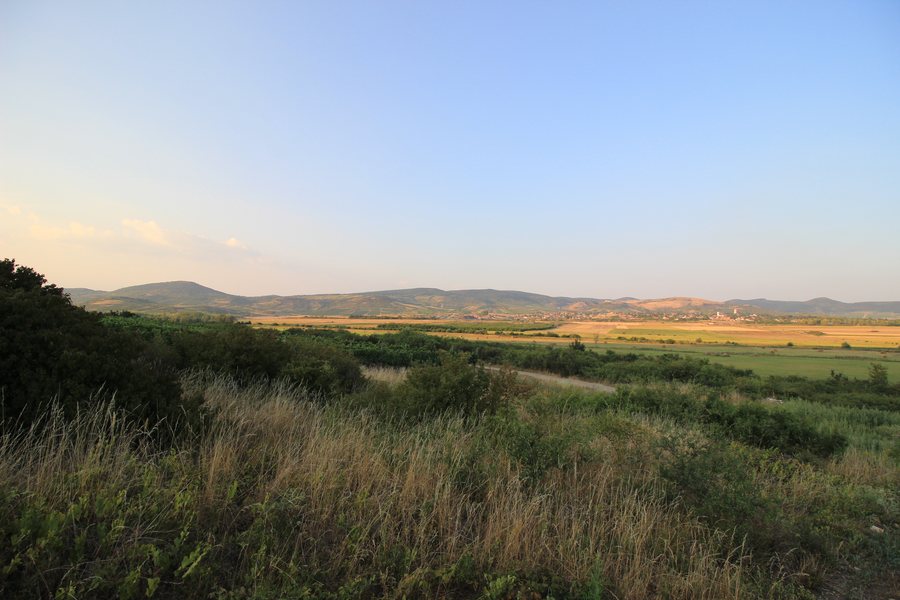
Tállya is one of the settlements in the core area of the Tokaj-Hegyalja World Heritage Cultural Landscape. Its rolling landscape, old stone houses, extensive cellar systems, and buildings with stories of their own give the village a distinctive cultural character.
Quick facts about Tállya
- Tállya lies in the core area of the Tokaj-Hegyalja World Heritage Cultural Landscape.
- The village lies in a hilly landscape; the masonry of some old stone houses is partly concealed beneath newer plaster.
- About one third of the homes are more than 100 years old; some are estimated to be 400 to 500 years old.
- Cellar systems extend beneath Tállya. Some are interconnected, others are separate, and some remain unexplored.
What shapes the village’s appearance?
The hilly landscape provides a setting for Tállya’s old buildings. Some stone houses do not openly display their original material: newer plaster partly conceals it. Together with the historic buildings, this shapes the picturesque surroundings and romantic atmosphere associated with the village.
The age of many homes also gives the village a long historical dimension. Around one third are more than 100 years old; some buildings are estimated to be 400 to 500 years old. These figures are estimates, but they make clear that historic architecture is not found only in individual manor houses. Anyone interested in local history can therefore explore both the buildings and the wider stock of homes.
What stories do the kúrias and Maillot Castle tell?
Antal Grassalkovich owned significant vineyards in Tállya and commissioned the design of Balogh Manor in 1761. A kúria is a historic manor house; Balogh Manor thus links local history with Grassalkovich’s vineyard ownership. Maillot Castle presents a different architectural feature: the Baroque, vaulted-basement building has an L-shaped floor plan and stands next to Rákóczi Manor. It was remodeled and expanded several times over the centuries. The named manor houses therefore tell both of a specific year of construction and of a long history of change.
A vast system of cellars also lies beneath the village. Some sections are interconnected, others are separate, and part of the system remains unexplored. This is a distinct facet of Tállya’s built heritage, alongside its visible homes and manor houses. The description of the cellar systems does not indicate whether they are open to the public.
Which cultural sites are especially notable?
The permanent exhibition “Tállya 4D – Tállya térben és időben” was established in the former noble residence after development work was completed in 2023. It is described as unique in Hungary. If you plan to visit, check the current access arrangements for the exhibition in advance.
The Evangelical Church preserves another historical trace: its marble plaque states that Kossuth Lajos was baptized there in September 1802 and that the church was built in 1790. These details are presented as the content of the inscription. The exhibition and plaque thus offer two different ways to learn about local history: a specially established permanent exhibition and a specific historical statement on a marble plaque.
How does Tállya fit into the wider winemaking context?
In the broader travel destination of Borsod-Abaúj-Zemplén, the Tokaj wine region is legally protected as a protected wine-growing area. The region’s climate, soil quality, and slope exposure are suitable for growing grapes. Tállya’s location in the core area of the Tokaj-Hegyalja Cultural Landscape is also important. This gives the village’s history a regional context without conflating the characteristics of the wine region as a whole with individual buildings in Tállya.
If you would like to explore more destinations: Mád, Rátka, Legyesbénye, Mezőzombor, Szerencs, Golop and Bekecs.
FAQ
What does the marble plaque in the Evangelical Church say?
According to the inscription, Kossuth Lajos was baptized there in September 1802; the plaque also gives 1790 as the year the church was built.
When was the “Tállya 4D” exhibition established?
It was established in the former noble residence after development work was completed in 2023. Check the current access arrangements before visiting.
What are the cellar systems beneath Tállya like?
They extend beneath the village; some parts are interconnected, while others are separate. Part of the system remains unexplored.
For the broader travel overview: Szerencsi.

