
Discover Szerencs: Culture and History
Accommodation in Szerencs
Szerencs combines a rich architectural history with collections and exhibitions on regional topics. If you are looking for accommodation, these cultural attractions can help you plan your trip around your own interests.
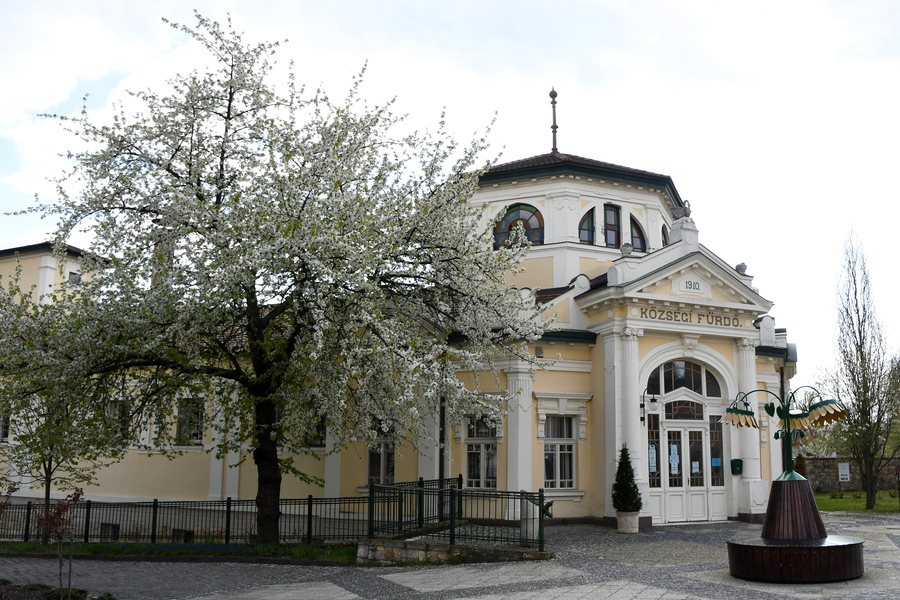 File:Szerencs, községi fürdő 2021 01.jpg
Photo: Pasztilla aka Attila Terbócs via Wikimedia Commons, CC BY-SA 4.0
File:Szerencs, községi fürdő 2021 01.jpg
Photo: Pasztilla aka Attila Terbócs via Wikimedia Commons, CC BY-SA 4.0
Quick facts about Szerencs
- The Zempléni Museum features a permanent exhibition of its postcard collection and presents the architectural history of the castle.
- The predecessor of the castle was built in 1557–1558 under the direction of Ferenc Némethy; in 1558, he had stones from the existing Benedictine abbey used for its construction.
- The Reformed Church near the castle dates back to the 13th century. It stands on Romanesque foundations and features Gothic elements.
- The permanent exhibition “Szerencs fehér aranya” recalls the technology of sugar production and the generations of people who worked there.
Which cultural attractions shape a stay?
The Zempléni Museum brings together two distinct subjects: the postcard collection and the architectural history of Szerencs Castle. Both are part of the permanent exhibitions. This lets you explore collection items and the development of a prominent historic building as different ways of discovering local history.
Another focus is the permanent exhibition “Szerencs fehér aranya” at the Szerencs Tourist Centre. It opened on March 12, 2026, and recalls both the technology of sugar production and the generations of people who worked there. It combines a technical perspective on production with a remembrance of the people who worked there.
The Reformed Church near the castle adds a longer architectural history to these themes. Its origins date back to the 13th century; Romanesque foundations and Gothic features characterize its architecture. Visitors can learn about the history of the church and the congregation on request. Advance registration is requested where possible.
What does the castle’s architectural history tell us?
The predecessor of the castle was built in 1557–1558 under the direction of Ferenc Némethy. In 1558, Némethy had it built using stones from the Benedictine abbey that stood there. The date and reused building materials give the structure a specific place in the history of Szerencs.
The permanent exhibitions at the Zempléni Museum also explore the castle’s architectural history. Together with the nearby Reformed Church, they offer different historical perspectives: a 16th-century building here and a church with 13th-century origins there. If you are interested in the development of older buildings, you can use this information to help choose what to explore.
How can you tailor your accommodation search to your interests?
The cultural attractions offer different points of focus: postcards and the castle’s architectural history at the museum, church and congregation history on request, and sugar production and working life in the permanent exhibition at the Tourist Centre. This lets you compare accommodation options based on your own travel plans, without making any particular visit a fixed part of your itinerary.
The municipal baths also have a long local history: they opened in August 1910. They have been temporarily closed since September 1, 2026. Bear this current restriction in mind when planning your stay.
If you would like to compare other destinations, you can also find information about Bekecs, Tállya, Rátka, Golop, Legyesbénye and Mád as well as Mezőzombor.
FAQ
What does the Zempléni Museum show?
The permanent exhibitions include the postcard collection and the architectural history of Szerencs Castle.
How can visitors learn about the Reformed Church?
Visitors can learn about the history of the Reformed Church of Szerencs and its congregation on request. Advance registration is requested where possible.
Are the municipal baths currently open?
The municipal baths have been temporarily closed since September 1, 2026. They opened in August 1910.
For the main travel overview: Szerencsi.

