
Maklár: Culture and History
Accommodation in Maklár
Get to know Maklár through its local history and the Tájház. Important for planning: visits and museum education programmes require advance registration. The wider destination of Heves County also offers a range of cultural and landscape themes to explore according to your interests.
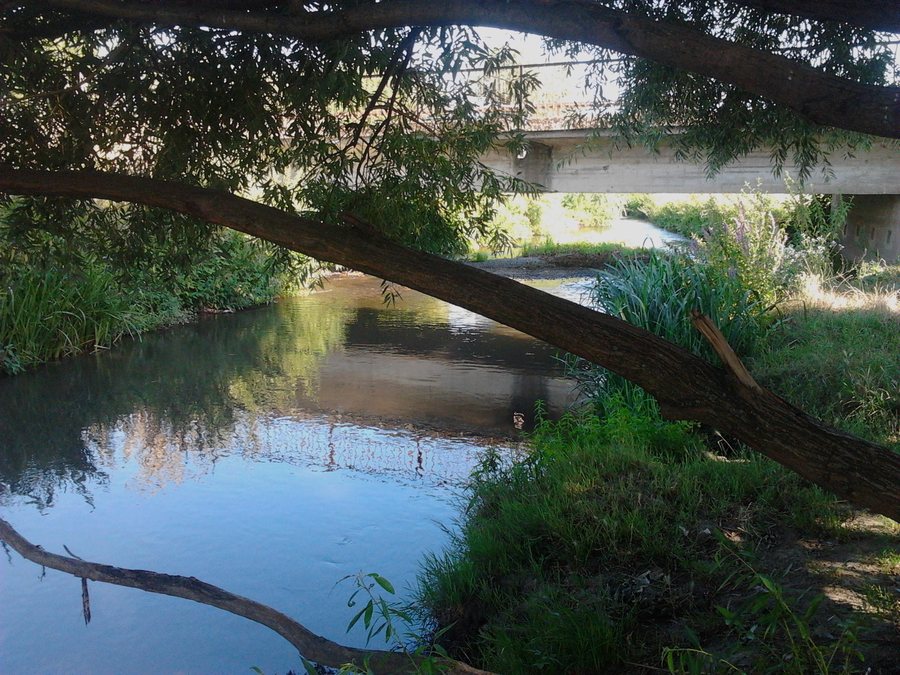 File:Az Eger-patak (Nagytálya után Rima-patak) Maklárnál.jpg
Photo: Porbóllett via Wikimedia Commons, CC BY-SA 4.0
File:Az Eger-patak (Nagytálya után Rima-patak) Maklárnál.jpg
Photo: Porbóllett via Wikimedia Commons, CC BY-SA 4.0
Maklár: Key Facts
- Tájház Maklár is located in a residential house from the second half of the 19th century, which belonged to the Smid family and their descendants.
- The exhibits were donated by residents of Maklár.
- Advance registration is required for visits to the Tájház and for museum education programmes.
- Maklár’s former Reformed church was built in 1790 and blown up in 1944 during the Second World War.
What can you discover at Tájház Maklár?
The Tájház combines a historic residential house with an exhibition of objects from Maklár, donated by local residents. The house itself dates from the second half of the 19th century and belonged to the Smid family and their descendants. In Maklár, both the history of the building and the local origins of its exhibits are therefore in focus.
In 2017, a “Vizit” room and a kitchen opened there as a permanent exhibition, along with a community room. The community room hosts ethnographic lectures, exhibitions and museum education programmes. Advance registration is required for visits to the Tájház and for these programmes. Please arrange your visit with the operator in advance.
What is the story of the former Reformed church?
Maklár’s former Reformed church was built in 1790 on marshy land in the southern part of the village. A tower was added in 1852–1853. The congregation had a bell weighing 223 pounds cast.
At 11 p.m. on 16 November 1944, German troops blew up the former church during their retreat in the Second World War. Together, the construction date, the tower, the bell and the destruction provide a clear chronological insight into the building’s history.
What landscapes and cultural themes does the wider destination of Heves County offer?
The wider destination of Heves County offers everything from protected landscapes to regional cultural heritage. The Hevesi Füves Puszták Landscape Protection Area lies in the southern part of Heves County and covers 16,114 hectares. It was designated in 1993; following expansions in 2005 and 2008, it reached its present extent.
The 6.5-kilometre Ilona Valley Nature Trail along the Ilona Stream passes the geological features of the Eastern Mátra Mountains and traces of former ore mining. The Pély-Ludas Nature Trail offers a different focus, sharing information about the grassland habitats of the Heves Plain, including salt meadows, marshes, bodies of water, scrubland, semi-natural wooded areas and forests. Wildlife and the European roller population are also among its themes. The two trails thus offer distinct perspectives: geology and mining history on one, habitats and wildlife on the other.
The Szépasszony Valley offers a cultural perspective: it is home to Eger’s largest contiguous area of wine cellars, and wine culture and the gastronomy associated with it are among its most important tourist attractions. The Hevesi szőttes is part of the county’s textile heritage and is associated with Heves, Mátraderecske and Bodony. The county also counts the Mátra-Bükk tourism area among its priority tourism regions.
Which excursion interests can you compare?
The wider destination of Heves County also offers options for active travellers. The section of the Országos Kéktúra in Heves County includes the ascent of Kékestető, Hungary’s highest point. In winter, fans of active tourism can enjoy winter sports at Kékestető.
The themes differ in their focus: in Maklár, the Tájház and the history of the former Reformed church take centre stage. Across the wider destination of Heves County, other interests range from nature trails and protected habitats to wine, textile and mountain culture. Choose among them according to whether you are more interested in local history, landscapes, regional culture or active experiences.
Discover more destinations: Egerszólát, Demjén, Erlau, Verpelét, Egerbakta, Kerecsend, Novaj, Felsőtárkány.
FAQ
Do I need to register in advance to visit Tájház Maklár?
Yes. Advance registration is required for visits to the Tájház and for museum education programmes. Arrange your visit with the operator in advance.
What is there to see at Tájház Maklár?
The exhibits were donated by residents of Maklár. In 2017, a “Vizit” room and a kitchen opened as a permanent exhibition, and a community room was also added.
What happened to Maklár’s former Reformed church?
It was built in 1790 in the southern part of the village. A tower was built in 1852–1853. At 11 p.m. on 16 November 1944, German troops blew up the church during their retreat in the Second World War.
What nature and cultural experiences are available in the wider destination of Heves County?
Themes include the Hevesi Füves Puszták Landscape Protection Area, the nature trails along the Ilona Stream and near Pély-Ludas, the Szépasszony Valley, and the textile heritage of Hevesi szőttes. At Kékestető, the listed activities also include hiking along the Országos Kéktúra section and winter sports.
Go to the wider travel overview: Egri.

_Makl%C3%A1rn%C3%A1l.jpg)