
Novaj: Church History, Remélés and Choral Tradition
Accommodation in Novaj
Novaj combines a long church history with distinctive local traditions. Here you’ll find historical points of interest and cultural themes to help you understand the destination in light of your interests.
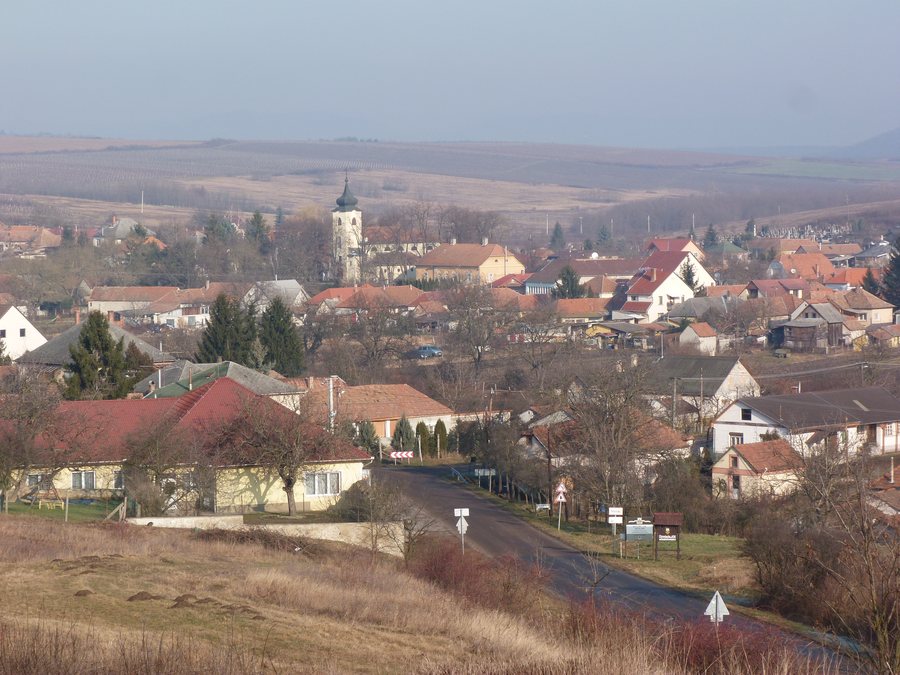
Quick facts about Novaj
Novaj’s first church was probably built in 1288 and rebuilt after its destruction by the Ottomans. A dilapidated stone church in Calvinist possession is mentioned in 1696; in 1756, the church received a new sacristy and an oratory. Remélés and the Novaji Asszonykórus are also part of local cultural life.
What does Novaj’s church history tell us about the town?
Novaj’s church history encompasses several distinct periods. Its early construction date is uncertain: 1288 is given as the likely year. After the church was destroyed by the Ottomans, it was rebuilt. A later historical account describes a different period: according to the Hevenessy census of 1696, a dilapidated stone church in Novaj was in Calvinist possession. The probable construction date of 1288 and the condition of the stone church in 1696 represent separate historical periods.
In 1756, a new sacristy and an oratory were added to the church. The rectory also has a long history: it was already standing in 1332, while the present building dates from the mid-19th century. A church bell that was no longer in use at the time had been kept in the rectory because of its size. It was offered for the purposes of the Hungarian Revolution of 1848. These details provide several concrete landmarks in local history, from medieval references to changes in the 19th century.
A monument commemorating the Turks is also located in the southern part of Novaj. The recorded church history, the rectory and this monument each highlight a different aspect: church architecture, historical ownership and a memorial in the townscape.
Remélés and choral tradition in Novaj
During Novaj’s Remélés, young unmarried men, wearing masks, parade through the village streets in a mock wedding procession. The procession is accompanied by rattling and music. Participants visit homes where young women live, blacken the young women and wives living there, and receive eggs and bacon in return. The custom combines a procession through the village streets with house visits where eggs and bacon are handed over.
Another local cultural institution is the Novaji Asszonykórus. Its founding was supported by Palóc research in 1971, and the choir preserves local folk traditions. At performances, it sings songs in a distinctive local dialect and wears 19th-century clothing from Novaj. Remélés and the choir therefore have different focuses: one centers on a masked procession with house visits, the other on songs, dialect and historical clothing.
What themes can you find across the wider destination of Heves?
The wider destination of Heves offers other themes at a regional level; they are not features of Novaj. The Hevesi Füves Puszták Landscape Protection Area lies in the southern part of Heves County and covers 16,114 hectares. It was designated in 1993 and reached its present size following extensions in 2005 and 2008. If you’d like to compare nature-related themes with traces of history, the same wider destination also features the 6.5-kilometre Ilona-völgyi educational trail along the Ilona stream. It passes geological features of the Eastern Mátra Mountains and evidence of former ore mining.
Culture and landscape are also connected in other ways in Heves: the Szépasszony Valley comprises Eger’s largest contiguous area of wine cellars; wine culture and its associated gastronomy are important tourist attractions there. Hevesi szőttes, meanwhile, is a textile heritage from Heves County associated with Heves, Mátraderecske and Bodony. These regional examples help place Novaj’s local church history and customs in a wider cultural context without conflating them with the distinctive features of other places.
How can you factor these themes into your accommodation search?
When looking for a hotel, you can first consider whether Novaj—with its historical accounts, Remélés or choral tradition—matches your travel interests.
Discover more destinations: Eger, Egerszólát, Kerecsend, Egerszalók, Felsőtárkány, Egerbakta, Demjén, Noszvaj.
FAQ
When was Novaj’s first church built?
It was probably built in 1288 and rebuilt after its destruction by the Ottomans. A new sacristy and an oratory were added in 1756.
What happens during Novaj’s Remélés?
Masked young unmarried men parade through the village streets in a mock wedding procession accompanied by rattling and music. During house visits, they blacken the young women and wives living there and receive eggs and bacon.
What cultural themes does the wider destination of Heves offer?
Regional themes include the Hevesi Füves Puszták Landscape Protection Area, the Ilona-völgyi educational trail, and wine and textile culture. These belong to the wider destination of Heves, not to Novaj’s local features.
For the wider travel overview: Eger.

.JPG)