
Discover Leányvár: Church, Calvary and Views
Accommodation in Leányvár
Leányvár can be understood through three specific features: a Neoclassical parish church, a dated Calvary sculpture group and a viewpoint overlooking the area towards Piliscsév. This lets you consider culture and landscape as distinct sides of the town.
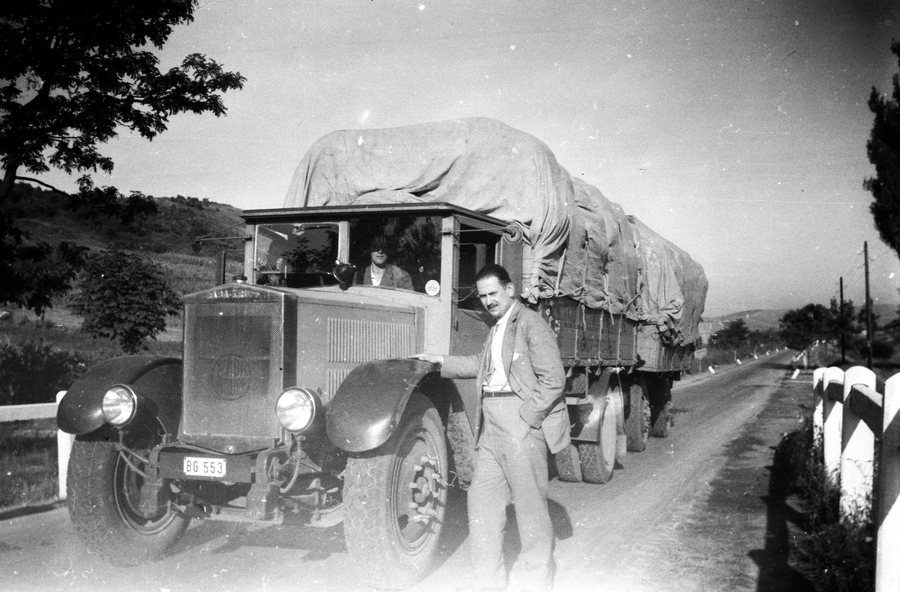 File:A 10-es főút Pilisjászfalu és Leányvár között. Fortepan 71051.jpg
Photo: Photo: FOTO:Fortepan — ID 71051 : Adományozó/Donor: Lissák Tivadar. archive copy at the Wayback Machine
Leányvár at a glance
- The Árpád-házi-Szent-Erzsébet Parish Church is Neoclassical, a listed monument, and was built in 1806.
- The Calvary sculpture group is dated 1783.
- At the upper end of Panoráma út is a viewpoint with a 180° view towards Piliscsév.
Which cultural sites shape Leányvár?
The Árpád-házi-Szent-Erzsébet Parish Church in Leányvár is Neoclassical and a listed monument; it was built in 1806. The Calvary sculpture group is dated 1783. These details are not interchangeable: one year refers to the construction of the church, the other to the dating of the sculpture group. Together, they represent two distinct cultural and historical features: a Neoclassical church building and a dated group of sculptures.
The sculpture group and a small chapel are located along a path on the hill above the gardens on Kálvária utca. The group and chapel therefore share the same location, while the parish church is primarily identified by its architectural style and year of construction. These different points of reference help you distinguish the local cultural features by their character.
What does the viewpoint in Leányvár offer?
The viewpoint at the upper end of Panoráma út offers a different perspective: from there, the view opens up 180° towards Piliscsév. Its location, viewing range and direction are all clearly specified. The viewpoint is a landscape feature alongside the cultural sites; when considering Leányvár in terms of your travel interests, you can look at the views and culture separately.
What other themes can you find in the wider Komorn-Gran destination?
The wider Komorn-Gran destination adds other landscape and cultural themes to Leányvár’s local features. The Gerecsei Tájvédelmi Körzet is a nationally significant, individually designated landscape protection area in Komárom-Esztergom, covering 8,676 hectares. In the Gerecse, alongside the predominant Triassic limestone, there is also Jurassic limestone, which is particularly rich in fossils. This broad landscape perspective differs from the specific viewpoint and cultural sites in Leányvár.
Another cultural highlight in the wider Komorn-Gran destination is the Majki Kamalduli Remeteség: a Baroque monument complex with seventeen hermit cells, a church tower and a monastery. An exhibition there covers the general and Hungarian history of the Camaldolese order. The complex is open Tuesday to Sunday: from 1 April to 31 October, 10:00–18:00; from 1 November to 31 March, 09:00–17:00. Check the opening hours again before your visit.
Discover more destinations: Kesztölc, Csolnok, Nagysáp, Dág, Bajna, Tokodaltáró, Epöl, Dorog.
FAQ
When was the parish church built?
The Neoclassical, listed Árpád-házi-Szent-Erzsébet Parish Church was built in 1806.
Where are the Calvary sculpture group and chapel located?
Both are located along a path on the hill above the gardens on Kálvária utca.
In which direction does the view from the viewpoint extend?
From the viewpoint at the upper end of Panoráma út, the view extends 180° towards Piliscsév.
To the wider travel overview: Dorogi.
