
Discover Tokodaltáró
Accommodation in Tokodaltáró
Tokodaltáró combines a visible trace of its mining history with a locally protected natural area. The Szent Borbála Church, a local history exhibition room, and the Gete-hegy area provide concrete points of reference for understanding the town’s cultural and natural heritage.
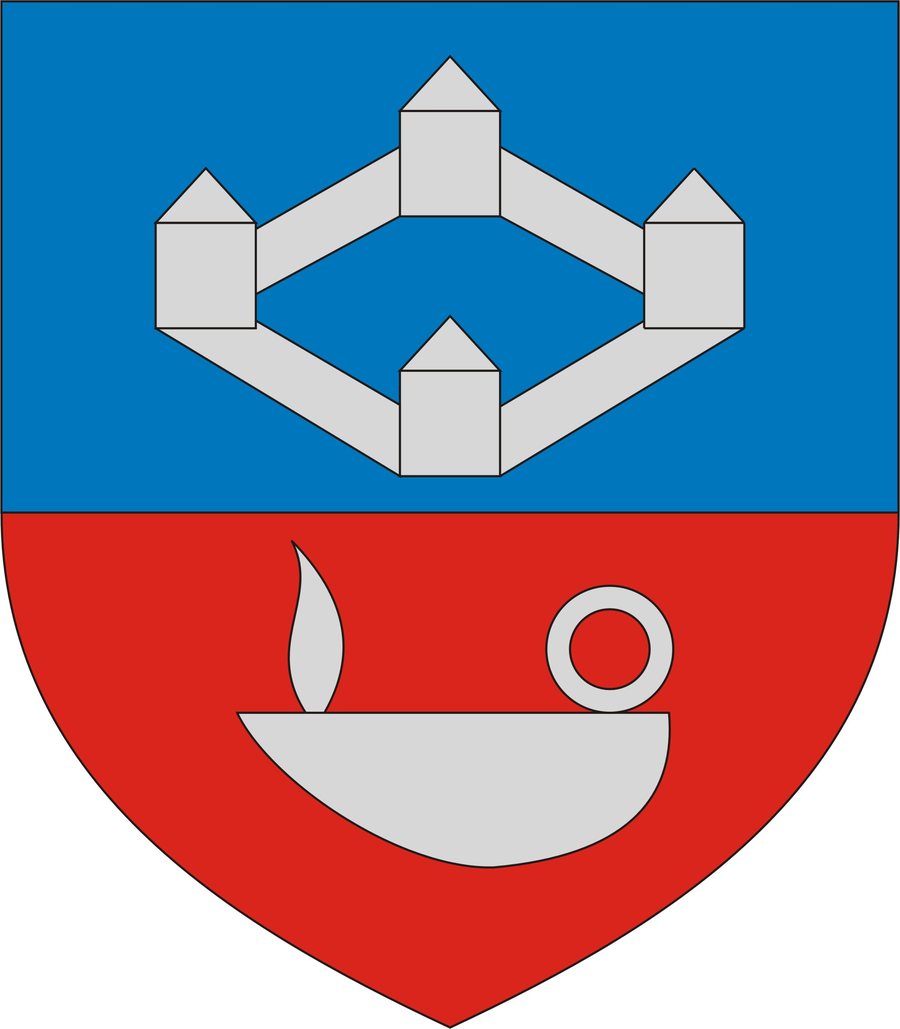
Tokodaltáró at a glance
The Szent Borbála Church is one of the town’s sights and was built in 1924 in this mining-influenced settlement. The Gete-hegy és környéke Nature Reserve is a locally protected natural area. Its habitat types include Pannonian hornbeam-oak forests, Pannonian downy oak forests, and Pannonian sandy grasslands. The Tokodaltárói Bányász Közösségi Színtér has a local history exhibition room. The Tokodaltárói Market is located in the eastern part of Tokodaltáró.
What traces of culture shape Tokodaltáró?
The Szent Borbála Church combines a clear historical connection with its role as a local sight. Its construction in 1924 falls within the history of this mining-influenced settlement. After renovations, the church and its new altar were consecrated at a mass on December 14. The construction date, mining context, and subsequent consecration offer distinct points of reference for placing the church in the town’s history.
The Tokodaltárói Bányász Közösségi Színtér also offers a way to explore local history: a local history collection is on display in the building, which also has an exhibition room. The room can be visited during the facility’s opening hours. Check the current opening hours before your visit. This allows you to consider the church’s historical connection and the collection in the community center as two distinct cultural perspectives on the town.
What makes the Gete-hegy protected area special?
The Gete-hegy és környéke Nature Reserve is locally protected within Tokodaltáró. Its habitat types include Pannonian hornbeam-oak forests, Pannonian downy oak forests, and Pannonian sandy grasslands. The list thus ranges from forest habitats to a grassland type. This diversity offers a concrete starting point for understanding the protected area: it describes not just one type of forest, but several distinct habitat types.
The species list includes both plants and animals. Notable zoological species include the stag beetle (Lucanus cervus), the European nightjar (Caprimulgus europaeus), and the tawny pipit (Anthus campestris). Botanically notable species include the military orchid (Orchis militaris), the marsh helleborine (Epipactis palustris), and the early marsh orchid (Dactylorhiza incarnata). Together with the habitat types, these species give the natural heritage of Tokodaltáró specific names. This lets you distinguish between the descriptions of the habitats and the associated plant and animal species.
How can the area’s natural heritage be understood in a regional context?
The broader travel destination of Komorn-Gran offers another point of reference. The Gerecsei Tájvédelmi Körzet is a nationally significant, individually designated landscape protection area in Komárom-Esztergom. It covers 8,676 hectares. In the Gerecse, alongside the predominant Triassic limestone, there is also Jurassic limestone, which is particularly rich in fossils. This gives a regional perspective on Komorn-Gran; the Gete-hegy és környéke Nature Reserve remains the local natural attraction in Tokodaltáró. This distinction helps keep information about the town separate from the broader context.
Which location points help you find your way?
The Tokodaltárói Market is located in the eastern part of Tokodaltáró. This places a named point within the town, while the church and protected area offer other points of reference. For your trip planning, this gives you different perspectives on Tokodaltáró: the history of a mining-influenced settlement, a local natural area with several habitat types, and a landmark in the eastern part of town.
Discover more destinations: Leányvár, Dág, Kesztölc, Bajna, Dorog, Epöl, Csolnok, Nagysáp.
FAQ
When was the Szent Borbála Church built?
The church was built in 1924 in the mining-influenced settlement of Tokodaltáró.
When can you visit the local history exhibition room?
The room at the Tokodaltárói Bányász Közösségi Színtér can be visited during the facility’s opening hours. Check the current opening hours before your visit.
Which habitat types are found in the Gete-hegy area?
The listed types are Pannonian hornbeam-oak forests, Pannonian downy oak forests, and Pannonian sandy grasslands.
For the broader travel overview: Dorogi.

