
Bernecebaráti between forest and local history
Accommodation in Bernecebaráti
In Bernecebaráti, nature and local history offer two distinct travel themes: the nature trail leads through forest habitats, while the church tower, tájház and historic buildings provide a cultural focus.
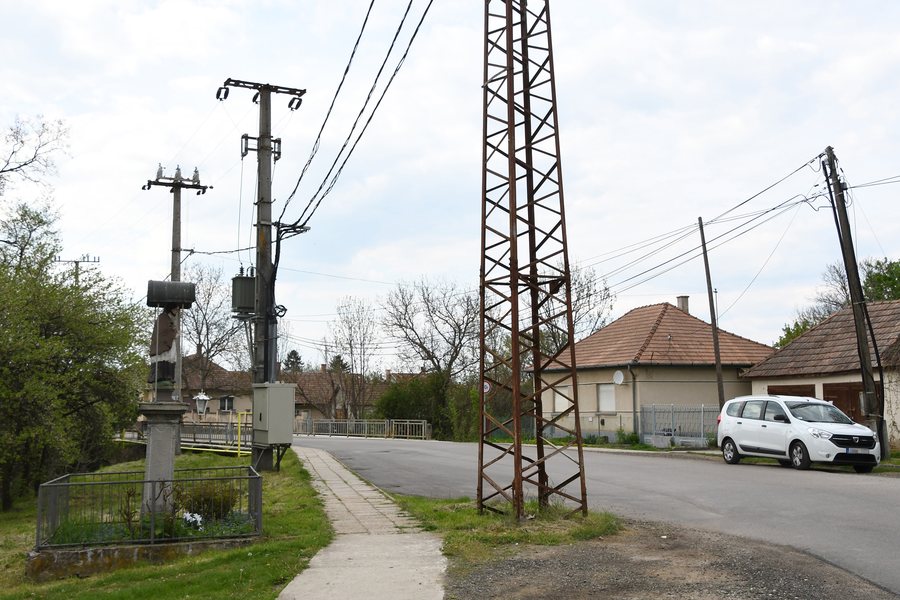 File:Bernecebaráti, Nepomuki Szent János-szobor 2022 01.jpg
Photo: Pasztilla aka Attila Terbócs via Wikimedia Commons, CC BY-SA 4.0
Bernecebaráti at a glance
- The Bernecebaráti nature trail runs through the forests by Oszlai-árok.
- A 6 km marked access trail leads from Bernecebaráti to the nature trail.
- Cultural highlights include the tájház, the church tower and the Baroque Huszár-kastély.
What does the Bernecebaráti nature trail offer?
The nature trail runs through the forests by Oszlai-árok. This valley is a side valley of Nagy-völgy, which runs between Bernecebaráti and Nagyoroszi. On some maps, Oszlai-árok appears under the name Orlai-árok.
The trail focuses on different forest habitats. The alder forest along the stream provides a habitat for protected plant species. On the slope lies a dry oak forest, managed as a protective forest. The nature trail introduces visitors to both habitats and their respective importance.
Built-up stations offer safe views into the gorge-like Oszlai-árok valley. Please follow the current safety instructions during your visit. The trail also features episodes from the adventurous life of Sisa Pista, as depicted by the betyár.
To reach the nature trail, a 6 km marked access trail leads from Bernecebaráti, first following the blue and then the green hiking trail marker. As trail markings can change, check them before setting out.
Which traces of local history shape the village?
The church tower stands on a hill and is topped by an onion-shaped dome. It can be seen from afar as you approach the village. Its location and shape make it a distinctive feature of the village landscape.
The Bernecebaráti tájház was established in 2001 with the active participation of local residents. It presents the everyday life of the Palóc in Hungary in an old farmhouse set up for this purpose. The focus is therefore not only on architecture, but also on Palóc life and culture.
Groups of cellars and press houses carved into the rock lie on the slope of Várhegy and near the Baráti vineyards. Some old press houses in Bernecebaráti still contain wine presses. The cellar groups and surviving presses point to the village’s built heritage and craftsmanship.
The Máriácska Chapel is a 1 × 1 metre opening carved into andesite tuff. It is believed to date from the late 19th century; it was remodelled in 1948 and renovated in 1981. The Baroque Huszár-kastély recalls the time when the Huszár family owned Bernece and Baráti in the 18th century.
Which focus suits your travel plans?
The nature trail highlights forest habitats, the marked access trail and views into Oszlai-árok; the architectural and cultural heritage offers a different way to explore the village. If you compare hotels, this distinction can help you decide what you would like to focus on during your trip.
Discover more destinations: Zebegény, Ipolytölgyes, Nagybörzsöny, Kóspallag, Vámosmikola and Kemence.
FAQ
How is the access trail to the nature trail marked?
The 6 km access trail from Bernecebaráti first follows the blue and then the green hiking trail marker. Check the markings before setting out.
Which forest habitats does the nature trail cover?
It introduces visitors to an alder forest along a stream that provides a habitat for protected plant species, and a dry oak forest on the slope that is managed as a protective forest.
What is known about the Máriácska Chapel?
The opening carved into andesite tuff measures 1 × 1 metre. It is believed to date from the late 19th century, was remodelled in 1948 and renovated in 1981.
To the regional travel overview: Szobi.

