
Vámosmikola: Discover Nature and Culture
Accommodation in Vámosmikola
Vámosmikola brings together named, locally protected natural areas, church architecture, and an ethnographic collection. When considering the destination as part of your trip planning, you can distinguish between nature and cultural themes rather than focusing on just one aspect.
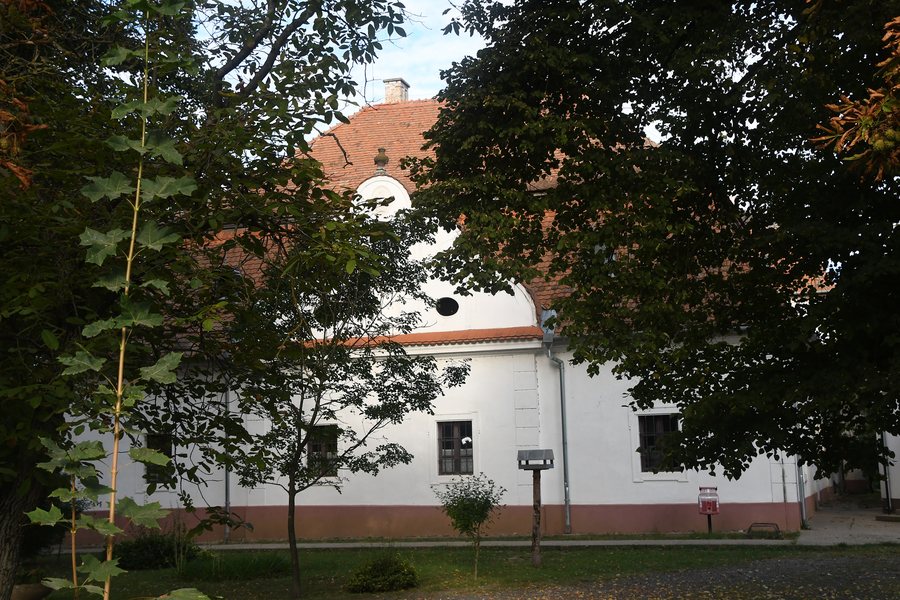 File:Vámosmikola, Huszár-kastély 2023 01.jpg
Photo: Pasztilla aka Attila Terbócs via Wikimedia Commons, CC BY-SA 4.0
File:Vámosmikola, Huszár-kastély 2023 01.jpg
Photo: Pasztilla aka Attila Terbócs via Wikimedia Commons, CC BY-SA 4.0
Vámosmikola at a glance
- Locally protected natural areas include valleys, a ravine, riverside forests, and oxbow lakes.
- The Roman Catholic church stands at the eastern end of the old main street.
- A Baroque sandstone statue of Saint John of Nepomuk stands on Szent János tér.
- The tájház houses an ethnographic collection.
Which natural areas define Vámosmikola?
The locally protected natural areas include the valleys of the Börzsöny-patak and Orzsán-patak, as well as the Tilalmas-árok. They also include the riverside forests along the Ipoly and the oxbow lakes of the Régi Ipoly. This list therefore brings together several clearly named landscape features: two valleys, a ravine, riverside forests along the Ipoly, and oxbow lakes of the Régi Ipoly.
This distinction can help you get your bearings when comparing nature-related themes with cultural sites. The protected areas are not listed only under a general heading; each is named individually by its name and landscape type. You can first focus on the natural attractions, then decide whether to include the town’s religious and ethnographic themes in your plans.
What can you learn about the church and statue?
The Roman Catholic church stands on level ground at the eastern end of the old main street. It has a single nave, a tower on its façade, and faces east. Inside are a high altar, side altars, a pulpit, and an 18th-century baptismal font. These details connect the building’s location with its exterior form and the interior features mentioned.
Another cultural landmark is the statue of Saint John of Nepomuk on Szent János tér. The statue is made of sandstone and is Baroque in style. The two subjects are distinct: the church is notable for its architectural form and furnishings, while the statue is defined by its material, style, and named location. Together, they provide a brief overview of two different aspects of the town’s cultural heritage.
What role does the tájház play?
The tájház in Vámosmikola houses an ethnographic collection. This adds a collection-based cultural aspect to the religious and architectural themes. The information presented gives you three different points of interest to consider: the natural areas, the religious buildings, and the collection. If you are planning a visit, check visitor access in advance.
How should you place the wider travel context?
Within the wider destination of Pest, the part of the highlighted Danube Bend tourism region that belongs to Pest County encompasses the entire Danube Bend, the Visegrád Mountains, and the Börzsöny Mountains. This regional context complements the local nature and cultural themes with a broader perspective. It names the landscapes of the Pest destination; Vámosmikola’s local protected areas and cultural sites remain distinct topics.
How should you start looking for accommodation?
First consider whether you are most interested in Vámosmikola’s natural areas, church architecture, or ethnographic collection. These interests can help you structure your personal trip planning. You can then compare hotels according to your own criteria, without conflating the different nature and cultural themes.
Discover more destinations: Kemence, Bernecebaráti, Zebegény, Nagybörzsöny, Ipolytölgyes, and Kóspallag.
FAQ
Which natural areas are locally protected in Vámosmikola?
They include the valleys of the Börzsöny-patak and Orzsán-patak, the Tilalmas-árok, the riverside forests along the Ipoly, and the oxbow lakes of the Régi Ipoly.
What are the features of the Roman Catholic church?
It stands on level ground at the eastern end of the old main street, has a single nave and a façade tower, and faces east. The high altar, side altars, pulpit, and baptismal font date from the 18th century.
What is housed in the tájház?
The tájház in Vámosmikola houses an ethnographic collection.
For the wider travel overview: Szobi.

