
Ipolytölgyes: Hiking, the Ipoly and mill history
Accommodation in Ipolytölgyes
Ipolytölgyes combines hiking routes in the Börzsöny with walks towards the Ipoly and a history that can be traced through two mills.
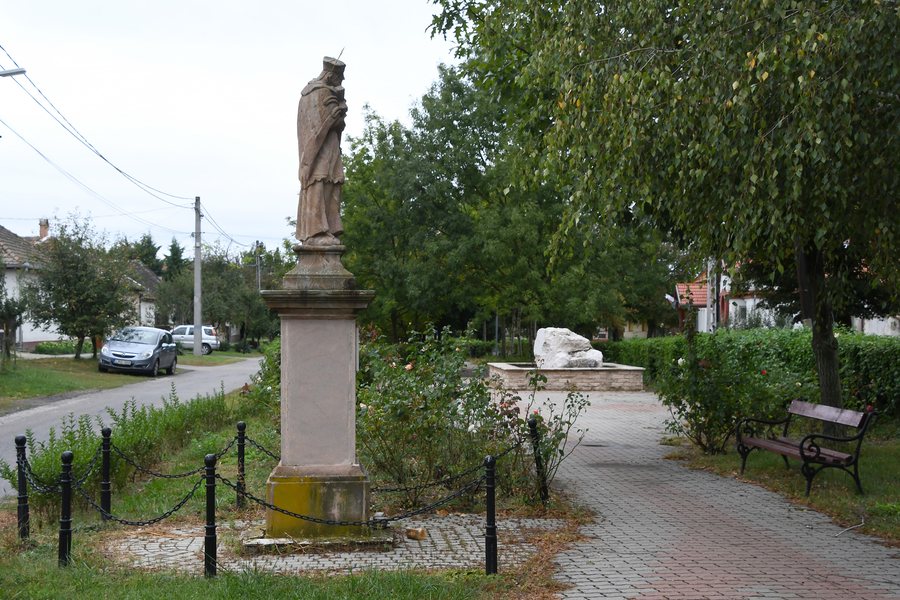 File:Ipolytölgyes, Nepomuki Szent János-szobor 2020 01.jpg
Photo: Pasztilla aka Attila Terbócs via Wikimedia Commons, CC BY-SA 4.0
File:Ipolytölgyes, Nepomuki Szent János-szobor 2020 01.jpg
Photo: Pasztilla aka Attila Terbócs via Wikimedia Commons, CC BY-SA 4.0
Ipolytölgyes at a glance
- Ipolytölgyes is a starting and finishing point for hikes in the Börzsöny.
- From the embankment, a walk from the church towards the Ipoly offers views of the Börzsöny hills.
- The village is considered a popular rest stop for cyclists and has a port for water tourism on the river.
- The Egyed Mill on the Ipoly was in operation until it was nationalized in 1949.
What mill history can you discover?
The two mills differ both in location and in the recorded dates. The Egyed Mill was on the Ipoly and was in operation until its nationalization in 1949. The Cserge Mill, by contrast, stood on Csege Creek, opposite the Egyed Mill and about one kilometer from the last house in the village.
The Cserge Mill is recorded as having operated from 1944 to 1946. Its feeder dam, the site of the mill wheel, and the wheel axle remain. These details make the former use of two different waterways for milling a tangible focus for a visit. The Cserge Mill is about one kilometer beyond the last village house, so its exact distance should not be confused with a location in the village.
How can you weigh up hiking, walking and river activities?
For those travelling on foot, Ipolytölgyes is a starting and finishing point for hikes in the Börzsöny. Another view of the landscape can be enjoyed on the described walk from the church towards the Ipoly: from the embankment, you can see the hills of the Börzsöny Mountains. The hikes in the Börzsöny and this walk are different ways to include exercise and scenery in your travel plans.
Ipolytölgyes is described as a popular rest stop for cyclists. The port, in turn, serves water tourism on the river. These interests can be considered separately: hiking is associated with the Börzsöny, the walk with the view from the embankment, and cycling and water tourism offer further ways to explore the village. Which of these matters to you can help determine your destination and accommodation plans.
What should you consider when looking for accommodation?
Tailor your hotel search to what you would like to do in Ipolytölgyes. If you plan to hike, the connection to the Börzsöny is key; if you mainly want to take the described walk, the church is a landmark for the route. Those interested in the history of the river can factor the two mills and their different locations into their plans. Then compare the specific location given for an accommodation with your own plans, rather than assuming that the village name alone means the location will suit you.
Nor do these different interests need to be combined into a single idea of a stay. One visit might focus on hiking, while cycling, water tourism or mill history may be the deciding factor for other travellers. Before booking, consider which of these themes matters most to your travel party.
How does Ipolytölgyes fit into the wider region?
For broader orientation, Ipolytölgyes is part of the wider Pest destination. The part of the highlighted Danube Bend tourist region that lies in Pest County includes the entire Danube Bend, the Visegrád Mountains and the Börzsöny Mountains. This is a regional context; the landscapes mentioned are not additional excursion options within Ipolytölgyes. For local planning, the more specific points of interest remain the hiking routes in the Börzsöny, the walk towards the Ipoly and the mills described here.
Discover more destinations: Kóspallag, Zebegény, Kemence, Vámosmikola, Bernecebaráti and Nagybörzsöny.
FAQ
Which hikes are associated with Ipolytölgyes?
Ipolytölgyes is described as a starting and finishing point for hikes in the Börzsöny.
What is known about the Cserge Mill?
It stood on Csege Creek opposite the Egyed Mill, about one kilometer from the last house in the village, and operated from 1944 to 1946. Its feeder dam, the site of the mill wheel, and the wheel axle remain.
Where does the walk offer a view of the Börzsöny?
The walk leads from the church towards the Ipoly; from the embankment, you can see the hills of the Börzsöny Mountains.
For the broader travel overview: Szobi.

