
Discover Buzsák: Embroidery, Architecture and Nature
Accommodation in Buzsák
Buzsák combines a long history of folk textile art with distinctive historic architectural forms and an exhibition about the nature of Nagyberek. If you are looking for accommodation, it helps to decide first whether culture, architecture or nature will shape your stay.
Key facts about Buzsák
- Three well-known types of embroidery are vézás, boszorkányos and rátétes; rátétes is also called “bécsis.”
- Living traditions include embroidery, woodcarving, folk dances and folk songs.
- Embroidery is on permanent display at the Faluház and the Népművészeti Tájház.
- The Berek Látogatóközpont features interactive exhibitions about the flora and fauna of Nagyberek.
- The Fehér-kápolna is a Romanesque architectural monument; János-hegy is home to eight cellars and press houses built in the traditional style.
Which cultural traditions shape Buzsák?
Buzsák is known for its rich folk-art traditions. The making of textiles and embroidery has a long history here. Three types of embroidery give this focus specific names: vézás, boszorkányos and rátétes, with rátétes also known as “bécsis.” Alongside textile crafts, woodcarving, folk dances and folk songs are among the town’s living traditions.
Embroidery is on permanent display at the Faluház and the Népművészeti Tájház. We recommend enquiring in advance about current visitor arrangements at both places. This offers a way to understand Buzsák’s cultural character through its various traditions, without conflating the exhibitions with the also-mentioned dance and music traditions.
What do the buildings tell us about Buzsák’s history?
The Fehér-kápolna is Buzsák’s oldest architectural monument: the Romanesque chapel was built in the 13th century. It has a single nave and a semicircular apse. An apse is the semicircular end of a building; this description makes the chapel’s form as tangible as its historical period.
Traditional rural architecture can also be seen at several sites. The Népművészeti Tájház welcomes visitors to a 19th-century farmhouse with rammed-earth walls. On János-hegy, eight cellars and press houses with rammed-earth walls and reed roofs preserve traditional building methods. Rammed earth links the buildings as a construction material; the chapel, farmhouse, and cellars and press houses also represent different building types.
What nature-related themes can you discover in Buzsák?
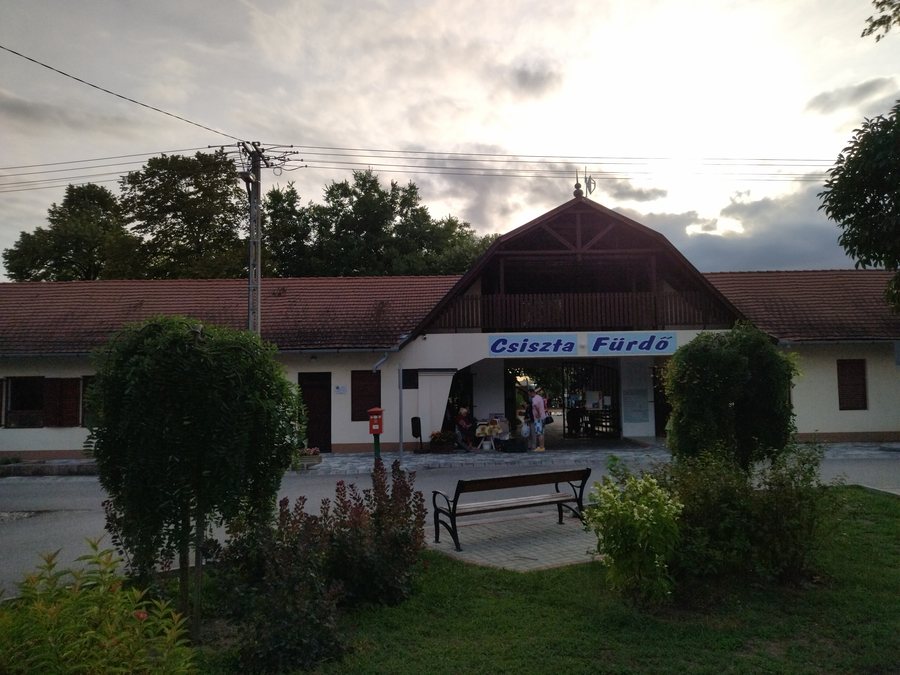
The Berek Látogatóközpont is located on the grounds of Csiszta-Fürdő in Buzsák. Its interactive exhibitions focus on the flora and fauna of Nagyberek. This gives the center a different focus from the folk-art collections and historic buildings: here, the nature of Nagyberek is at the heart of the visit.
For planning purposes, you can consider these themes separately. If you are mainly interested in embroidery and architectural history, the cultural sites and buildings mentioned here offer different topics from the visitor center and its nature exhibitions.
How does Buzsák fit into the wider travel destination?
In the wider destination of South Balaton, the Zselici Tájvédelmi Körzet offers its own regional nature connection. In 2009, the protected area was awarded International Dark Sky Park status because of its low light pollution; the Zselici Csillagpark was established in the heart of the protected area. This information broadens the picture of South Balaton, while the local nature exhibition in Buzsák is devoted to the flora and fauna of Nagyberek.
How can you prioritize your accommodation search?
First, consider whether you would like to connect your stay more with folk art, historic architectural styles or the nature exhibition. This distinction helps you organize your travel interests before looking for a hotel. If you would like to consider several themes, you can plan for them separately rather than assuming there is a single, unified itinerary.
Discover more destinations: Somogyvámos, Kisberény, Somogyvár, Öreglak, Lengyeltóti, Szőlősgyörök.
FAQ
Which types of embroidery are known in Buzsák?
The best-known types are vézás, boszorkányos and rátétes; rátétes is also called “bécsis.”
Where is embroidery on permanent display?
Embroidery is on permanent display at the Faluház and the Népművészeti Tájház. Check the current visitor arrangements before your visit.
What can you see at the Berek Látogatóközpont?
On the grounds of Csiszta-Fürdő in Buzsák, the center features interactive exhibitions about the flora and fauna of Nagyberek.
For the wider travel overview: Lengyeltóti.

