
Kisberény: Valley, Forest and Church History
Accommodation in Kisberény
Kisberény can be described in terms of its valley setting, nearby forests, and the history of its Roman Catholic church. For your trip planning, it is also important to keep these separate: nature and activity themes associated with the wider destination of Balaton - South are regional context, not local offerings in Kisberény.
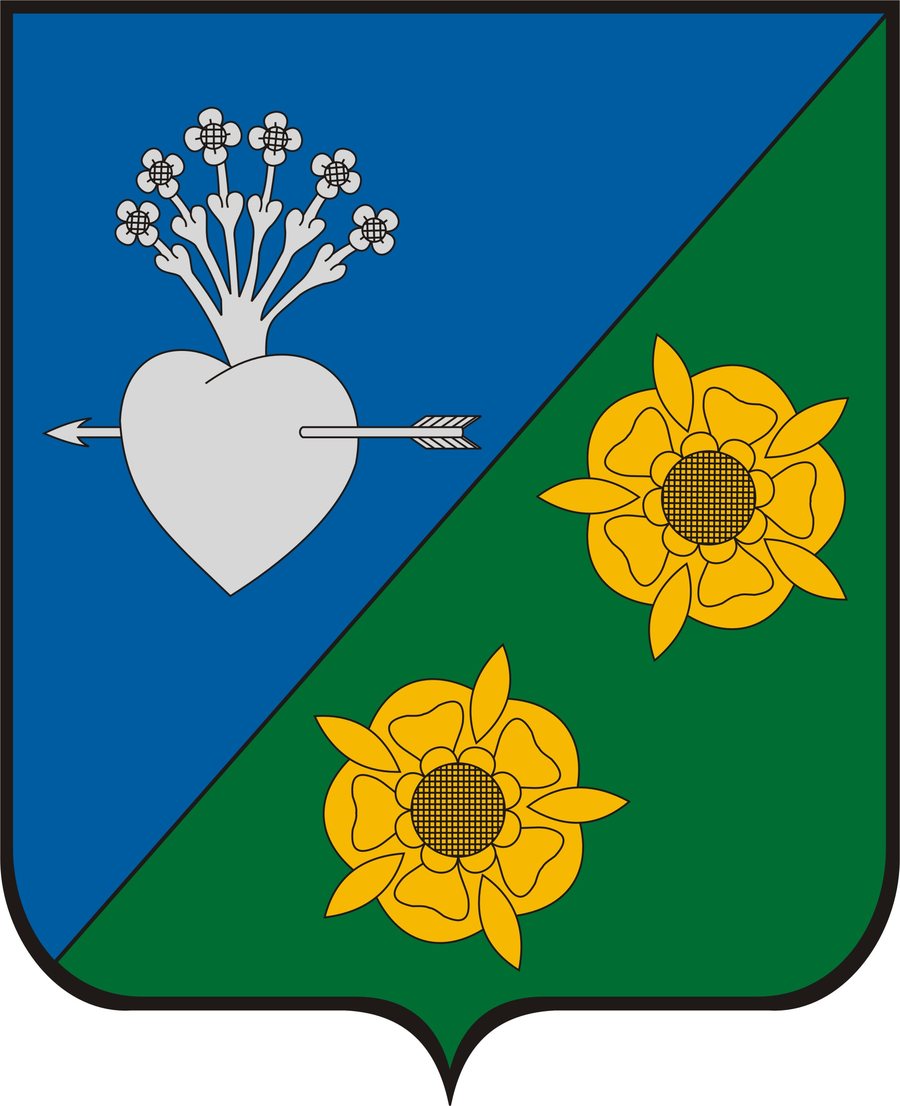 File:HUN Kisberény COA.jpg
Photo: Nemzeti Fejlesztési Minisztérium via Wikimedia Commons, Public domain
Kisberény at a glance
Kisberény lies in a valley surrounded by nearby forests. Butcher’s broom is protected in the Pogány Valley, where collecting it has been prohibited since 1977. The Roman Catholic church was built in 1860 as a Roman Catholic elementary school and expanded in 1906–1907 with a chapel area and a bell tower. Gyula Völgye’s one-day program for schoolchildren includes preparing food.
What characterizes the landscape around Kisberény?
The valley setting gives the description of the village a clear geographical shape: Kisberény lies in a valley surrounded by nearby forests. The landscape is therefore a distinct aspect alongside the village’s architectural and cultural details. Butcher’s broom adds a specific plant-related theme to this picture. The species is protected in the Pogány Valley, where collecting it has been prohibited since 1977. Those interested in nature will therefore find both the landscape and the protection of a particular plant to explore.
What history does the church tell?
The history of the Roman Catholic church can be traced through two construction phases. It was built in 1860 as a Roman Catholic elementary school. A chapel area and a bell tower were added in 1906–1907. Its original use as a school is therefore part of its architectural history, along with the later additions. If you are interested in the history of a building, these dates help distinguish its original purpose from its later expansion.
What should you know about Gyula Völgye’s program?
Gyula Völgye’s one-day program is for schoolchildren and includes preparing food. It is a program for a specific group of participants, not a cooking experience that is generally available to all travelers. If you are considering taking part, confirm current availability before your trip. This lets you include the program in your plans without assuming it will be a regular feature of every stay.
What nature themes are associated with the wider destination of Balaton - South?
Within the wider destination of Balaton - South, the Zselici Landscape Protection Area received the title of International Dark Sky Park in 2009 because of its low light pollution. The Zselici Csillagpark was built in the heart of the protected area. This regional nature feature is distinct from Kisberény’s valley setting and should not be understood as a local offering in the village.
Baláta is also part of the natural landscape of the wider destination of Balaton - South: it lies between Kaszó and Szenta and is counted among Somogy’s most valued natural assets. Another regional perspective is the cross-regional Dráva network for active tourism. Its section in Somogy County includes stops for water tourism. If you include these in your plans, check the latest information: individual facilities may change as they are developed. These three themes represent different regional connections; none describes the facilities or location of Kisberény.
How should you approach your accommodation search?
This lets you consider your search destination separately from the other themes you may want to include in your trip planning.
Discover more destinations: Buzsák, Somogyvár, Öreglak, Lengyeltóti, Somogyvámos, Szőlősgyörök.
FAQ
What is the landscape around Kisberény like?
Kisberény lies in a valley surrounded by nearby forests.
What is known about the Roman Catholic church?
It was built in 1860 as a Roman Catholic elementary school; a chapel area and a bell tower were added in 1906–1907.
What applies to butcher’s broom in the Pogány Valley?
Butcher’s broom is protected there; collecting it has been prohibited since 1977.
Who is Gyula Völgye’s program for?
It is for schoolchildren, lasts one day, and includes preparing food. Confirm current availability in advance.
Go to the wider travel overview: Lengyeltóti.

