
Lengyeltóti: Church, Castle and Local History
Accommodation in Lengyeltóti
Lengyeltóti can be understood through several historical periods: the protected church dates back to the 12th century, while the older castle dates from the late 17th century. Local history is therefore central to planning your trip; the nature themes of the wider South Balaton destination provide a separate regional context.
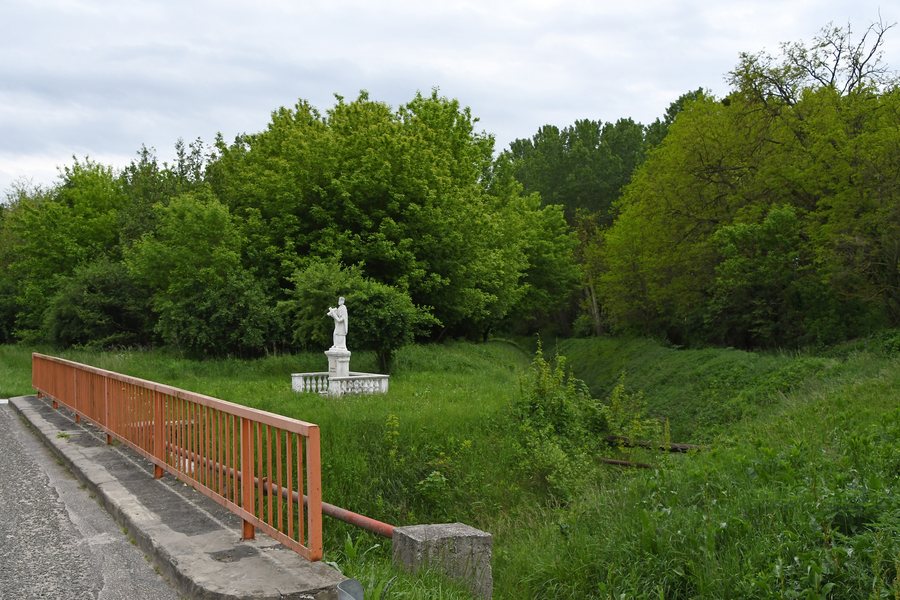 File:Lengyeltóti, Nepomuki Szent János-szobor 2021 01.jpg
Photo: Pasztilla aka Attila Terbócs via Wikimedia Commons, CC BY-SA 4.0
Quick facts about Lengyeltóti
- The protected church dates from the 12th century and was extended several times later. Remains from the 12th century were uncovered during restoration work in 1995.
- The older castle was built by the Horváth family towards the end of the 17th century.
- The cultural centre and library organise the Tóti Napok and Diófesztivál–Szüreti Nap festivals.
- At the end of the Stations of the Cross stands a stone cross almost a thousand years old.
- The Pusztaberény Furioso stud farm is now considered the best-known; its breeding establishment has been known since the 16th century.
How should you understand the historic buildings?
The church is a protected monument and dates back to the 12th century. Later extensions form part of its architectural history, and remains from the 12th century were uncovered during restoration work in 1995. This makes it possible to distinguish the original construction, subsequent structural changes and a specific restoration discovery in chronological terms. The older castle represents a different period: the Horváth family had it built towards the end of the 17th century. The church and castle thus offer points of comparison from very different periods in local history.
What other historical themes are there?
At the end of the Stations of the Cross stands a stone cross that is almost a thousand years old. The location at the end of the Stations of the Cross is also relevant to understanding this monument. The Pusztaberény Furioso stud farm is now considered the best-known; its breeding establishment has been known since the 16th century. These themes broaden the picture beyond architectural history: the Stations of the Cross and the long-established breeding site represent different historical interests.
Which festivals are associated with Lengyeltóti?
The cultural centre and library in Lengyeltóti organise the Tóti Napok and Diófesztivál–Szüreti Nap festivals. If you would like to include one of the festivals in your travel plans, check the exact date in advance.
Which regional nature themes are part of South Balaton?
The wider South Balaton destination offers a distinct regional perspective on nature and the night sky. In 2009, the Zselici Tájvédelmi Körzet received the title of International Dark Sky Park because of its low light pollution; the Zselici Csillagpark was established in the heart of the protected area. Baláta is also located between Kaszó and Szenta and is among Somogy’s particularly valued natural assets. These regional points of interest differ in theme from Lengyeltóti’s architectural and cultural history.
Discover more destinations: Buzsák, Kisberény, Somogyvámos, Somogyvár, Szőlősgyörök and Öreglak.
FAQ
What is known about the church in Lengyeltóti?
It is a protected monument, dates from the 12th century and was extended several times later. Remains from the 12th century were uncovered during restoration work in 1995.
Which festivals does the cultural centre organise?
The cultural centre and library organise Tóti Napok and Diófesztivál–Szüreti Nap. Check the date in advance if you would like to include one of the festivals in your travel plans.
What characterises the star park in South Balaton?
In 2009, the Zselici Tájvédelmi Körzet received the title of International Dark Sky Park because of its low light pollution; the Zselici Csillagpark was established in the heart of the protected area.
To the wider travel overview: Lengyeltóti.

