
Öreglak: Bridge, Chapels and Local History
Accommodation in Öreglak
Öreglak brings together a two-arched bridge and the history of hydropower, milling and a count’s estate. Chapels and other historic buildings add further cultural and historical points of interest to the town.
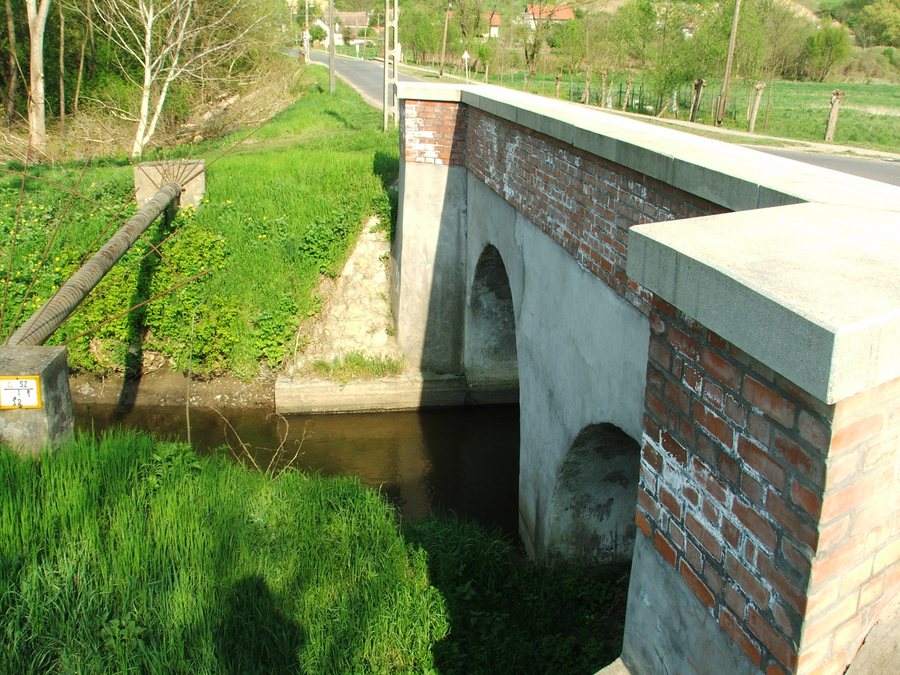
Öreglak at a glance
A description updated in 2017 lists the two-arched bridge as a protected monument. The Malom árok flows beneath one of its arches; its water once powered the Cifra Mill in Buzsák and supplied electricity to the count’s estate. The Szent-Donát Chapel was built in the 1930s through community effort on Baráti-hegy, which belongs to Öreglak. The Naphegy Chapel can be reached from Öreglak on a longer walk.
What does the bridge tell us about Öreglak?
The Malom árok flows beneath one arch; this connection between the bridge’s design and the watercourse is the tangible core of its history. The stream once powered the Cifra Mill in Buzsák and supplied electricity to the count’s estate. This brings together two former uses of the same water: milling and supplying energy to the estate. For a cultural and historical perspective on Öreglak, this connection is more telling than the bridge’s form alone.
How do the chapels differ?
The Szent-Donát Chapel is notable for its community-led construction in the 1930s on Baráti-hegy, which belongs to Öreglak. By contrast, the Naphegy Chapel can be reached from Öreglak on a longer walk; a county description updated in 2017 notes that two to three Masses are held there each year. If you are planning to attend a service, check the specific date in advance. The two chapels differ primarily in their documented connections: the chapel’s origins in one case, and the walk and services in the other.
What other historic buildings are recommended?
The Jankovich-kastély and the Roman Catholic church are also among the historic buildings recommended to visitors to Öreglak. A county description updated in 2017 lists both as recommended buildings. The castle and church complement the bridge and chapels as different types of structures. If you are planning to visit inside, check access in advance.
What nature and water-related attractions does Southern Lake Balaton offer?
The wider destination of Southern Lake Balaton offers additional regional nature and water-tourism experiences. The Zselici Tájvédelmi Körzet received the International Dark Sky Park designation in 2009 because of its low light pollution; the Zselici Csillagpark was established in the heart of the protected area. Baláta lies between Kaszó and Szenta and is counted among Somogy’s particularly valued natural assets. Somogy County is also home to Kis-Balaton, Barcsi Ősborókás and Babócsai Basakert, among other places. The wider Dráva network for active tourism includes water-tourism stopping points along its section in Somogy County. If you are making specific plans, check the latest information for the relevant stopping point. These examples represent three different regional features: a protected area with a dark sky park, a valued natural asset and stopping points on a water-tourism network.
Discover more destinations: Szőlősgyörök, Somogyvár, Lengyeltóti, Somogyvámos, Buzsák and Kisberény.
FAQ
What is the bridge’s protection status?
A description updated in 2017 lists the two-arched bridge as a protected monument. This information reflects the situation at that time.
How often are Masses held at the Naphegy Chapel?
A county description updated in 2017 notes that two to three Masses are held each year. If you would like to attend one, check the current date in advance.
What nature and water-related attractions are there in Southern Lake Balaton?
The Zselici Tájvédelmi Körzet received the International Dark Sky Park designation in 2009. Along its section in Somogy County, the Dráva network includes stopping points for water tourism.
For the wider travel overview: Lengyeltóti.

