
Kutas: Roman-era history and the history of St. Anne’s Church
Accommodation in Kutas
Roman-era local history and the history of St. Anne’s Church give Kutas several tangible cultural and historical points of interest. Looking beyond the town to the wider destination of Southern Lake Balaton offers a different perspective on the region’s natural attractions.
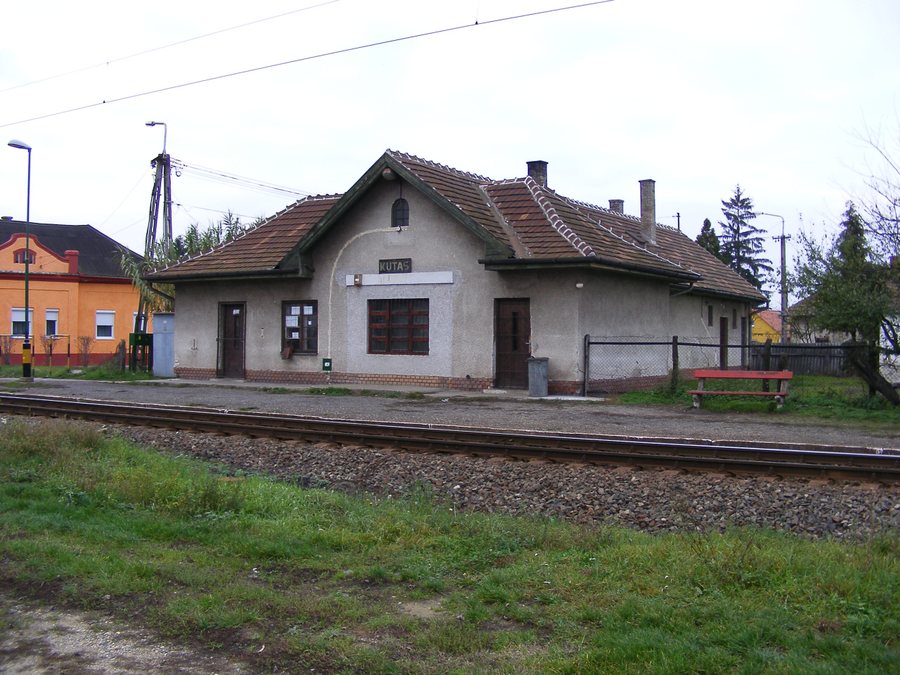
Kutas at a glance
- In Roman times, a military camp and a Roman road stood on the banks of the Rinya; the road continued to be used in the Middle Ages.
- St. Anne’s Church had frescoes by Dorfmeister, dating from 1778 to 1780. The church building was blown up in 1945; a new church was built between 1950 and 1954 with contributions from the faithful.
- A marble monument in the Old Cemetery commemorates Hussar Captain Pap László.
What historical traces shape Kutas?
Kutas’s Roman-era connections include two distinct features: a military camp stood on the banks of the Rinya, and a Roman road ran through Kutas. It remained in use into the Middle Ages. Taken together, these details paint a picture of a town associated both with a military installation and with a route that was used over a longer period.
To understand the timeline, it is useful to distinguish between the two: the camp dates to Roman times, while the road remained significant beyond that era. Those interested in the town’s earlier history will find not just one historical connection, but a link between the Roman period and medieval use.
What does the history of St. Anne’s Church tell us?
St. Anne’s Church represents a second strand of local history. It had frescoes by Dorfmeister, created between 1778 and 1780. The church was blown up on March 29, 1945. A new St. Anne’s Church was subsequently built between 1950 and 1954, financed by contributions from the faithful.
The church’s history can thus be divided into two clearly distinct building phases: the period of the frescoes in the late 18th century and the rebuilding in the years after the church was blown up. This chronology is a helpful way to distinguish the church’s art history from its later architectural history when learning about Kutas.
Which memorial sites add to the picture of the town?
A marble monument in the Old Cemetery commemorates Hussar Captain Pap László. Also significant is the participation of National Guardsmen from Kutas in the 1848 struggle for freedom: two of them fell in the fighting. The monument and the story of the guardsmen highlight different aspects of remembrance—one commemorates a named individual, while the other recalls local people’s involvement in a historical conflict.
Together with the Roman-era connections and the church’s history, these details create a broader picture of Kutas’s past. When weighing historical themes for a trip, visitors can consider different periods and forms of remembrance in Kutas without reducing them to a single narrative.
What is in the vicinity of Kutas?
Nearby, in Kozmapuszta, the ornamental park of Hertelendy Castle was established in the early 1920s, at the same time as the castle was built. The castle and its grounds should not be considered an integral part of Kutas. This distinction helps separate the local picture of Kutas from an additional attraction in the surrounding area.
What natural attractions are part of the wider destination of Southern Lake Balaton?
The wider destination of Southern Lake Balaton also includes landscapes that should not be attributed to Kutas itself. In 2009, the Zselic Landscape Protection Area was designated an International Dark Sky Park because of its low light pollution; the Zselic Star Park was established in the heart of the protected area. Somogy County is also home to, among other places, Kis-Balaton, the Zselic Landscape Protection Area, Barcsi Ősborókás and Babócsai Basakert.
Baláta lies between Kaszó and Szenta and is one of Somogy’s particularly valued natural treasures. The regional Dráva active tourism network also offers a connection to the area: its section in Somogy County includes stopping points for water tourism. Individual facilities may change as the network develops; if this offering is important to your plans, check its current status in advance.
Discover more destinations: Kaszó, Segesd, Nagyatád.
FAQ
What Roman-era connections are there in Kutas?
In Roman times, a military camp stood on the banks of the Rinya. A Roman road ran through Kutas and continued to be used in the Middle Ages.
How does the history of St. Anne’s Church fit into the timeline?
The church had frescoes by Dorfmeister dating from 1778 to 1780. After it was blown up on March 29, 1945, a new church was built between 1950 and 1954 with contributions from the faithful.
What natural attractions are part of the wider destination of Southern Lake Balaton?
These include the Zselic Landscape Protection Area, designated an International Dark Sky Park in 2009; the Zselic Star Park, established within it; and Baláta, a natural treasure between Kaszó and Szenta. The Somogy section of the Dráva network has stopping points for water tourism; individual facilities may change as the network develops.
For the wider travel overview: Nagyatád.

