
Discover Segesd: Culture, Chapel and Park
Accommodation in Segesd
Segesd can be explored through a range of themes: local history, sacred architecture, parkland and equestrian tourism. When planning your trip, you can choose to focus on culture, nature or horse keeping.
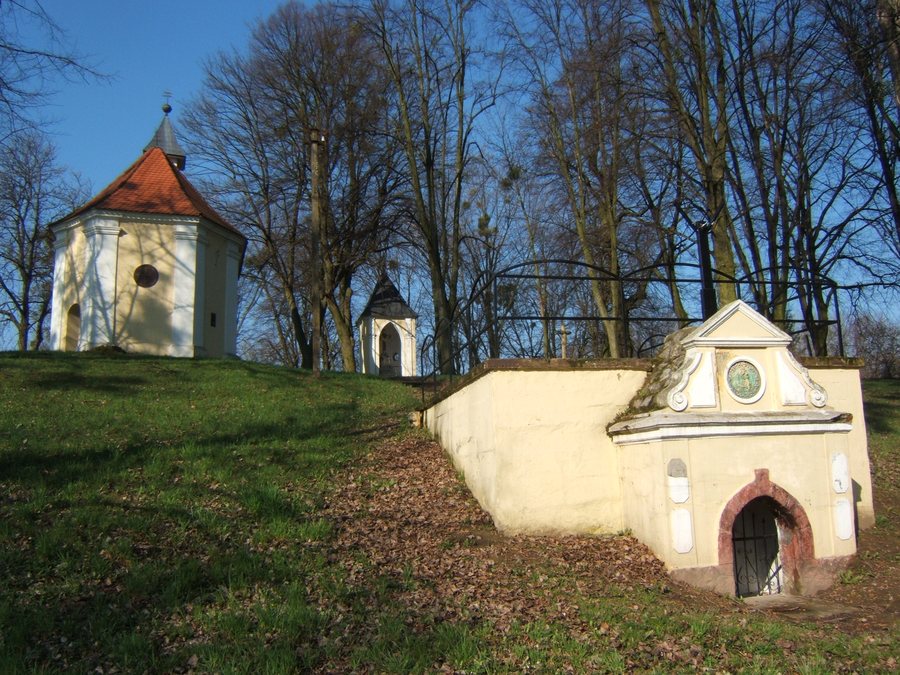
Segesd at a glance
- The Árpád-házi Szent Margit Múzeum és Könyvtár opened on 20 August 2001.
- The Catholic church is considered a sight and was built in 1777.
- The chapel at Szentkút, dedicated to the Virgin Mary, was consecrated in 1744.
- Plane trees, pines, willows and yews grow in Somogy Kincse Park; a dogwood is planted there every year.
- EKO-TUR Kft. operates an equestrian tourism facility with a stable, eight stalls and six broken-in horses.
What historical themes shape Segesd?
The Árpád-házi Szent Margit Múzeum és Könyvtár in Segesd opened on 20 August 2001 as the closing event of the county’s Millennium Year celebrations. The date connects the institution with this specific occasion in local and county history.
A museum presenting the local history of Segesd is housed in a protected historic estate mill building dating from the 19th century. Here, the museum’s purpose and a historic building come together. The Catholic church in Segesd is also considered a sight; it was built in 1777. This offers a range of themes for a culturally focused stay: a museum opening in the Millennium Year, a protected building and an 18th-century church.
A chapel dedicated to the Virgin Mary stands at Szentkút and was consecrated in 1744. Since the chapel was built, pilgrimages have continued to take place mainly at Szentkút. The building’s history and religious practice go hand in hand: the site is associated both with a historic chapel and with an ongoing pilgrimage tradition.
What makes Somogy Kincse Park distinctive?
Somogy Kincse Park is set among plane trees, pines, willows and yews. Alongside this backdrop of trees, the park has an annual tradition: a dogwood is planted there every year. A copper plaque attached to a stone commemorates notable figures from Somogy County. The plants and commemorations give the park two distinct qualities: its design featuring several tree species and a recurring way of remembering the past.
When planning your trip, these themes can offer a different focus from historic buildings and churches. Those interested in local remembrance can find a connection to notable people from Somogy in the park; those who appreciate the landscape can take in the tree species mentioned.
What else is there to explore in Segesd?
Traditional equipment for fruit growing and wine and pálinka production is preserved and displayed at the Bor- és Pálinkaház in Alsó-Segesd. This means the range of local themes extends beyond churches, museum and local history to cultivation and production.
EKO-TUR Kft. operates a 30-hectare equestrian tourism facility in Segesd. The stable has eight stalls and six broken-in horses. Individual visitors and groups are welcome year-round. The stable also offers accommodation and boarding for privately owned horses and horses brought by guests. If you are planning a visit, it is best to confirm the current arrangements before travelling.
How can you tailor your accommodation search?
If you are looking for a hotel in Segesd, you can first decide what you want to focus on during your stay: local history and churches, the chapel and pilgrimage tradition at Szentkút, the park or the equestrian tourism facility. If you plan to visit the facility, confirm the current arrangements in advance.
What nature-related themes are part of the wider Lake Balaton - South destination?
In the wider Lake Balaton - South destination, the Zselici Tájvédelmi Körzet was designated an International Dark Sky Park in 2009 because of its low levels of light pollution. The Zselici Csillagpark was established in the heart of the protected area. Somogy County is also home to Kis-Balaton, the Zselici Tájvédelmi Körzet, the Barcsi Ősborókás and the Babócsai Basakert. These regional examples add a broader nature context to Segesd’s local history and parkland.
Discover more destinations: Kaszó, Nagyatád, Kutas.
FAQ
When did the Árpád-házi Szent Margit Múzeum és Könyvtár open?
It opened on 20 August 2001 as the closing event of the county’s Millennium Year celebrations.
What is the connection between the chapel and Szentkút?
The chapel, dedicated to the Virgin Mary and consecrated in 1744, is located at Szentkút. Since it was built, pilgrimages have continued to take place mainly there.
What should you bear in mind when visiting the equestrian tourism facility?
Individual visitors and groups are welcome year-round. Confirm the current arrangements before your trip.
Go to the wider travel overview: Nagyatád.

