
Discover Sümeg: Castle, Churches and History
Accommodation in Sümeg
Sümeg brings together a medieval fortress, churches, historic buildings and attractions that explore the town’s history. The different sites make it easy to see which themes interest you most: the towering castle, frescoes and religious buildings, or demonstrations and exhibitions about medieval warfare.
Sümeg at a glance
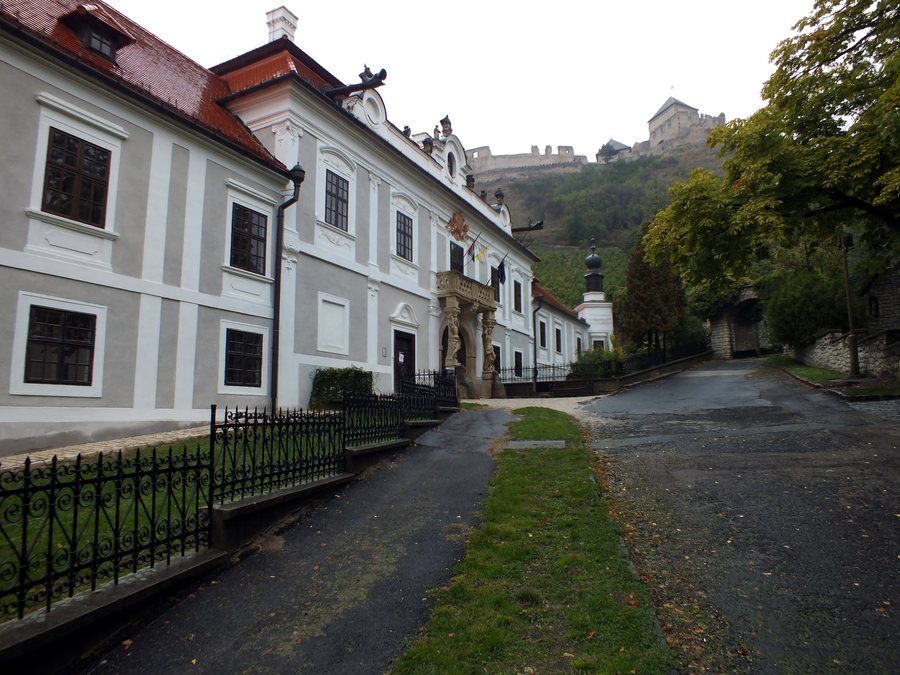
Sümegi Vár is a relatively well-preserved medieval fortress on a mountain peak that rises high above the surrounding area. Religious buildings include Urunk Mennybemenetele Plébánia Templom, built in 1756, and Ferences Kegytemplom and its monastery, founded between 1648 and 1658. Kisfaludy Sándor’s birthplace is a single-storey, L-shaped building resembling a manor house. The exhibition rooms at Püspöki Palota are currently closed to visitors due to extensive renovation work.
What makes Sümeg Castle special?
Sümegi Vár stands on a peak that rises distinctly above the surrounding landscape. Both its medieval history and its striking location define the fortress. It is considered relatively well preserved. History enthusiasts can therefore explore Sümeg with a focus on the castle and medieval fortifications, rather than seeing the town only through its churches or historic houses.
The Történelmi Élménypark near the castle also explores the theme of sieges: it displays medieval siege engines of the kind used to attack castles before the 15th century. The exhibition offers a distinct perspective on the castle by drawing a distinction between a fortress as a structure and the technology used to besiege it. You can take this focus into account when planning your trip if you are particularly interested in military history and historical technology.
Which churches and historic buildings define the town?
Urunk Mennybemenetele Plébánia Templom was built in 1756 on the site of St Catherine’s Church, which stood there until the 18th century. Frescoes by Franz Anton Maulbertsch adorn its walls. The building’s history and its wall paintings offer two distinct points of interest in art and cultural history.
Ferences Kegytemplom and its monastery were founded by György Széchényi, Bishop of Veszprém, between 1648 and 1658. Kisfaludy Sándor’s birthplace offers a different perspective on historic architecture: it is a single-storey, L-shaped building whose design is reminiscent of a manor house. Sümeg thus brings together religious architecture and a stately-looking residence as distinct themes.
Another trace of the town’s history is Tarisznyavár. It was not a standalone fortress, but part of a tower that protected a town gate and the former town fortifications. This distinction matters: the name should not be mistaken for a separate castle. Tarisznyavár belongs to the history of the town’s former defences.
What experiences appeal to families and history enthusiasts?
Sümegi Történelmi Lovasjátékok features combat demonstrations on horseback and on foot, archery, and the throwing of throwing stars, battle axes and spears. The programme ranges from displays on horseback to different forms of target practice and weapon throwing. If you would like to include these experiences in your travel plans, check the dates separately; the programme details listed here do not specify an event date.
Történelmi Élménypark also has activities for children, including a castle-themed play structure, climbing walls, an ox cart for role-play and a rocking horse. Activities range from climbing to imaginative play. Families can decide whether these specific play options suit their children’s interests. Along with the siege engines on display, the park appeals both to those interested in medieval technology and those looking for playful activities; keep these two focuses separate when choosing your experiences.
To compare other destinations, you can also visit the pages for Megyer, Ukk, Csabrendek, Sümegprága and Káptalanfa.
FAQ
Why is Püspöki Palota currently closed to visitors?
The exhibition rooms are currently closed due to extensive renovation work.
What was Tarisznyavár?
It was part of a tower that protected a town gate and the former town fortifications, not a standalone fortress.
What play options are available for children at Történelmi Élménypark?
Activities include a castle-themed play structure, climbing walls, an ox cart for role-play and a rocking horse.
For the main travel overview: Sümegi.

