
Ukk: Church Art, Historic Buildings and Landscape
Accommodation in Ukk
Ukk is characterised by a Baroque Holy Trinity Church with older furnishings and a landscape on the southern edge of the village. These cultural and landscape features give you an initial overview when comparing Ukk as a travel destination and potential place to stay.
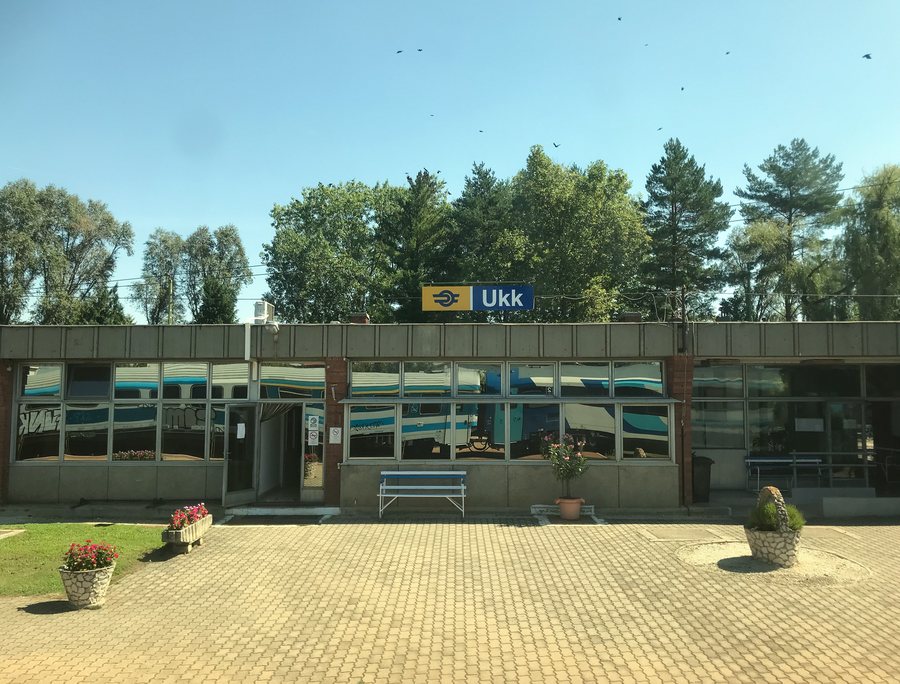
Ukk at a glance
- The Roman Catholic Holy Trinity Church was built in the Baroque style in 1725.
- The main altar, statues and pulpit date from 1674 and were brought to the church from the Pauline monastery in Tüskevár.
- The Gyömörei-kúria, the Szalay-kúria and the Gyömörei kastély are protected as national monuments.
- At the southern edge of the village are a tree-lined pasture and other low-lying grass-covered areas.
What do the church and monuments tell us about Ukk?
The Holy Trinity Church brings together two clearly distinct dates: the building was constructed in the Baroque style in 1725, while the main altar, statues and pulpit date from 1674. These furnishings were brought to Ukk from the Pauline monastery in Tüskevár. This allows the church’s construction date to be distinguished from the earlier origins of the furnishings mentioned here.
The church also houses an 18th-century statue of Saint John of Nepomuk. The statue is protected as a national monument in Ukk. The Gyömörei-kúria and the Szalay-kúria are also protected as national monuments, as is the Gyömörei kastély. These named buildings and the statue give the town a specific cultural focus, without requiring a long list of different attractions.
What is the landscape like on the edge of the village?
At the southern edge of the village are a tree-lined pasture and other low-lying grass-covered areas. Their current landscape character is to be preserved through extensive landscape management. Alongside the church and protected buildings, the townscape therefore includes an open landscape area whose preservation is explicitly planned.
For your trip planning, these two aspects of Ukk may appeal to different interests: the church and its furnishings offer a specific connection to art and cultural history, while the pasture and grass-covered areas provide a landscape setting on the southern edge of the village. These features help give you a sense of the town; they are not details about a specific route or individual hotel.
What else does Northern Lake Balaton offer?
For a broader perspective beyond Ukk, the wider destination of Northern Lake Balaton offers a separate point of comparison. Geological features and underground landscapes are also among its highlights. The Tapolcai-tavasbarlang offers boat rides and a guided exhibition entitled “Csodálatos karszt” (“Wonderful Karst”). It is part of a cave system beneath the town that has so far been explored over a length of 14.6 kilometres.
Another nature attraction is Hegyestű, a 337-metre-high mountain between Zánka and Monoszló. The inner side of a basalt volcano that was active around eight million years ago is exposed here. At the western edge of the quarry site, a panoramic information board helps identify the surrounding hills; there is also a rock garden featuring characteristic rock types from Transdanubia. In the wider destination, cave visits and volcanic landscapes therefore offer different experiences alongside Ukk’s local cultural and landscape features.
How should you approach a hotel search in Ukk?
When comparing Ukk as a potential place to stay, you can first consider whether you are particularly interested in the church and its furnishings, the protected buildings or the landscape on the southern edge of the village. These highlights can help you decide what kind of townscape best suits your travel plans.
Discover more destinations: Káptalanfa, Sümeg, Megyer, Csabrendek, Sümegprága.
FAQ
What dates from 1674 in the Holy Trinity Church?
The main altar, statues and pulpit date from that year. They were brought to the church from the Pauline monastery in Tüskevár.
Which buildings in Ukk are protected as national monuments?
The Gyömörei-kúria, the Szalay-kúria and the Gyömörei kastély are protected. The statue of Saint John of Nepomuk in the Holy Trinity Church is also protected as a national monument.
How do Hegyestű and the Tapolcai-tavasbarlang differ?
Hegyestű is a mountain with the exposed inner side of an ancient basalt volcano, a viewpoint, a panoramic information board and a rock garden. Boat rides are offered in the Tapolcai-tavasbarlang, which also has a guided exhibition about karst.
To the broader travel overview: Sümegi.

