
Sîngerei District: Culture, Rural Routes and Historic Sites
Accommodation in Sîngerei District
Sîngerei District can be explored through several specific themes: the national “Wine Road” route runs through the district between Telenești and Bălți, while cultural, ceramics, landscape and religious sites each offer distinct focal points.
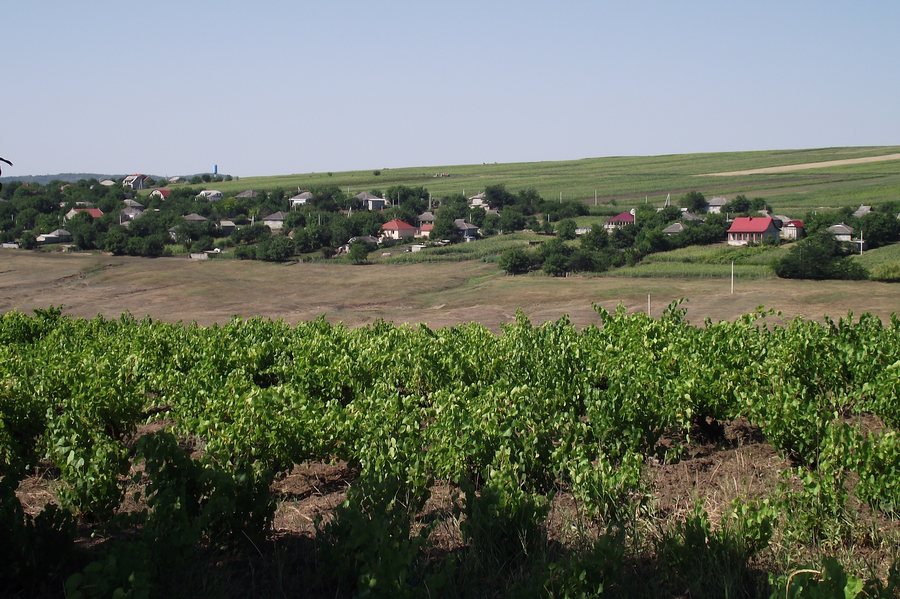 File:Sîngerei District, Moldova - panoramio (10).jpg
Photo: Анатолий Зубанюк via Wikimedia Commons, CC BY 3.0
File:Sîngerei District, Moldova - panoramio (10).jpg
Photo: Анатолий Зубанюк via Wikimedia Commons, CC BY 3.0
The ceramics restoration workshop of the Sîngerei Ethnographic Museum is part of Moldova’s ceramics route. This ceramics route crosses nine districts and includes 18 tourist attractions.
The “La Chișcăreni ACASĂ” route includes four agropensions offering full tourist services.
Which cultural traces shape the district?
The “La Chișcăreni ACASĂ” route highlights historic monuments from the time of the boyar Nicolae Casso, who lived from 1839 to 1904. In the city of Sîngerei, the local “Monuments of History and Ethnography” route also includes the Avenue of Notable Personalities.
In Sîngerei District, the pre-Christian custom of lighting a fire on Easter Day is preserved.
What can be experienced on the rural routes?
On the “La Chișcăreni ACASĂ” route, visitors can view the surrounding area from the heights of Movila lui Casso. The route also offers local eco-friendly horse-drawn carriage rides.
At specially arranged rest areas by ponds and in the forest, the same route offers opportunities for fishing and relaxation. Tourists can also take part in agricultural activities.
Apitherapy is offered at the “Albinuța” house on the “La Chișcăreni ACASĂ” route.
Which offerings combine accommodation with a regional experience?
Ferma Vilador in the village of Slobozia-Măgura, Sîngerei District, offers visitors horse-drawn carriage rides. Tastings are also offered at the same location.
Which topics are covered by the district’s tourist guide?
Sîngerei District promotes tourism, among other things, with a guide to cultural and tourist sites. It includes churches, museums, architectural buildings, monuments of military and art history, as well as tourist guesthouses.
For further regional orientation, you can compare the overview of Sîngerei with the pages on Călărași District, Transnistria, Ștefan Vodă District, Drochia District, Edineț District, Soldanesti and Hîncești District.
Which buildings and landscape features stand out?
The central building of the Leonard manor house in the village of Cubolta has a rectangular floor plan. A colonnaded gallery serves as the main entrance. At the same time, the Leonard manor house in Cubolta is considered abandoned.
Near Heciul Vechi, the “Crucea Voinicului” monument stands on a 220-meter-high hill. The wooden “St. Nicholas” Church is also located in Heciul Vechi. The “Holy Apostles Peter and Paul” Monastery is located in Bocancea.
FAQ
What does the “Religious Tourism” route include?
The “Religious Tourism” route in Sîngerei District includes 29 sacred sites with historic architecture.
What year does the wooden “St. Nicholas” Church date from?
The wooden “St. Nicholas” Church in Heciul Vechi dates from 1791.
What is known about the “Adrian Păunescu” Memorial House?
The “Adrian Păunescu” Memorial House in the village of Copăceni, Sîngerei District, was inaugurated as a memorial complex.
Where is the “Holy Apostles Peter and Paul” Monastery located?
Is the Leonard manor house in Cubolta abandoned?
The Leonard manor house in Cubolta is considered abandoned.
To the higher-level travel overview: Moldova.

.jpg)