
Bijelo Polje: Cultural History and Excursions
Accommodation in Bijelo Polje
Bijelo Polje combines the history of the town with its natural surroundings in the Lim Valley and excursion destinations nearby. The destinations mentioned are in different locations, so choose according to the focus of your trip.
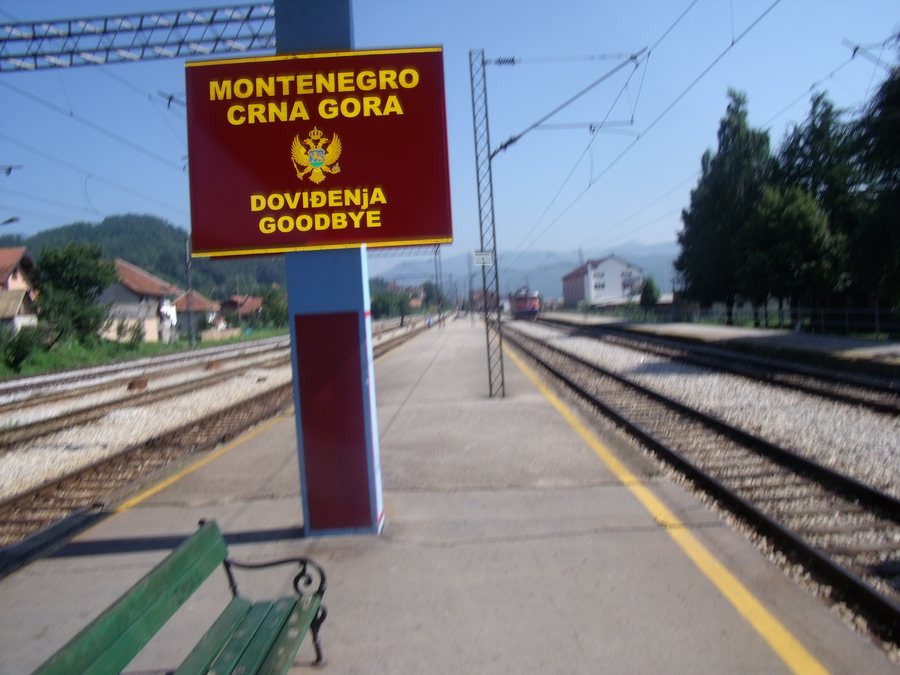
Facts about Bijelo Polje
- Bijelo Polje lies in the Lim Valley and borders Serbia.
- The JU Muzej Bijelo Polje was founded on January 31, 1957.
- The Banje Selo mineral-water spring lies at the foot of the village of the same name, in the Lješnica Valley.
What do the museum and the town’s architectural history tell us?
The JU Muzej Bijelo Polje has archaeological, ethnographic, historical, numismatic and art-historical collections. Its five departments offer different perspectives on the town’s past and culture. The museum building itself is also historically significant: it is designated as a cultural heritage site and was built between 1897 and 1905 as a secular Turkish Ruždija school.
Another landmark building is the Gradska džamija. In 1741, it was moved stone by stone from the Ljuboviđa Valley to the town of Bijelo Polje. The museum and the mosque thus represent different aspects of the town’s history: the development of an educational institution and the extraordinary relocation of a religious building.
How can you explore the natural attractions and excursion destinations?
Banje Selo is one of Bijelo Polje’s best-known mineral-water springs. It lies in the valley of the Lješnica River, at the foot of the village of the same name. Kisjele Vode is another excursion destination in Bijelo Polje. Both names point to nature-related attractions, but they should not be assumed to offer the same activities.
In the area around the town, Bjelasica is suitable for hiking and mountain biking. Another kind of excursion takes you to Novakovića Cave, 28 kilometres from Bijelo Polje. The footpath to the cave is three kilometres long and runs through the canyon of the Vranštica River. If you plan this trip, check access and the condition of the path in advance. A stone bridge over the Bistrica, near Bijelo Polje, was built at the end of the 17th century and offers its own historical connection to the surrounding area.
Which cultural experiences shape the programme?
Ratković's Poetry Evening has been held in Bijelo Polje since 1970. The Bjelopoljski Bazar promotes local cuisine, traditional craftsmanship, old trades and folk crafts. Alongside historic buildings, the cultural programme therefore includes literature, culinary traditions and crafts. If you want to plan your trip around the bazaar, check the event dates before making your plans.
How does Bijelo Polje fit into Montenegro?
Comparing Bijelo Polje with Montenegro’s other landscapes brings different travel interests into focus. The natural and cultural landscape of the Kotor region lies on the Bay of Kotor on the Adriatic coast. It includes fortified and open towns, settlements, palaces, monastic ensembles and cultivated terraced landscapes. In northern Montenegro lies the Durmitor limestone massif. Around fifty peaks in Durmitor National Park rise above 2,000 metres; the glacial lakes are known locally as the “eyes of the mountains”, and hiking is possible there.
Montenegro offers a range of different settings: the Lim Valley and the history of Bijelo Polje, the Adriatic coast and cultural landscape of the Kotor region, and the high-mountain landscape of Durmitor. This overview can help you prioritise your interests without attributing the features of other regions to Bijelo Polje.
How do you choose accommodation to suit your plans?
Start by considering which destinations matter most to your trip: the museum and architectural history, cultural events or activities nearby. Then compare the accommodation’s exact address with your plans. It is particularly useful to consider the location carefully for individual excursions, such as a trip to Novakovića Cave, 28 kilometres away. To focus your search on the immediate area, start on the Bijelo Polje page.
Discover more destinations: Tivat, Plužine, Nikšić, Rožaje, Danilovgrad, Podgorica and Herceg-Novi.
FAQ
When was the JU Muzej Bijelo Polje founded?
The museum was founded on January 31, 1957. Its collections are devoted to archaeological, ethnographic, historical, numismatic and art-historical subjects.
What activities are available in Bjelasica?
Bjelasica, in the area around Bijelo Polje, is suitable for hiking and mountain biking.
How long is the footpath to Novakovića Cave?
The footpath through the Vranštica Canyon is three kilometres long. The cave is 28 kilometres from Bijelo Polje; check access and the condition of the path before setting out.
What does the Bjelopoljski Bazar promote?
The bazaar promotes local cuisine, traditional craftsmanship, old trades and folk crafts. Check the event dates if you want to plan your trip around it.
Go to the main travel overview: Montenegro.

