
Danilovgrad: Monasteries, Cultural Heritage and Nature
Accommodation in Danilovgrad
Danilovgrad combines a town shaped by cultural history with the Zeta Valley and forested mountain areas. The municipality offers a range of things to consider when planning your trip: monasteries and historic sites, a fertile valley landscape, and destinations such as Studeno. You can choose accommodation based on whether culture, nature or transport connections are your main priority.
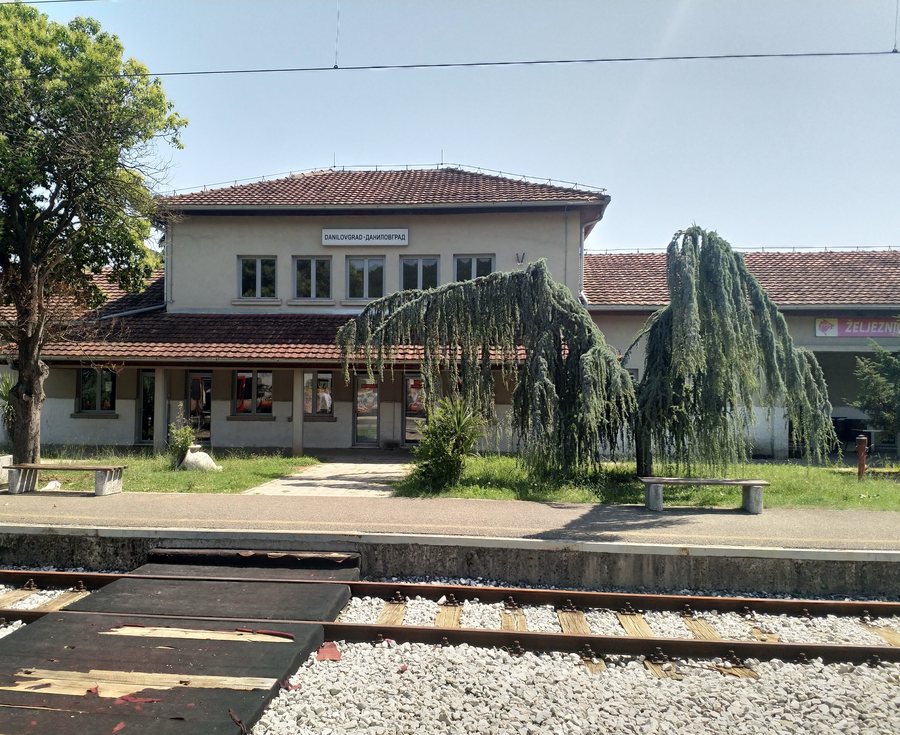
Danilovgrad at a glance
The Zeta Valley, also known as the Bjelopavlići Plain, is considered one of Montenegro’s few fertile valleys. Danilovgrad’s mountain areas are heavily forested and considered suitable for tourism. The Rijeka Zeta Nature Park aims to preserve biological resources and biodiversity in the protected Zeta Valley. Cultural attractions include the Ostrog and Ždrebaonik monasteries, as well as Spuž Fortress and the Gradina of Martinići. The municipality has good transport connections with Podgorica, Nikšić, Cetinje and Kolašin.
What makes the landscape and nature distinctive?
The valley and mountain areas give the region distinct landscapes. The Bjelopavlići Plain is not only another name for the Zeta Valley, but is also considered one of Montenegro’s few fertile plains. The Rijeka Zeta Nature Park aims to preserve biological resources and biodiversity in the protected valley. Those considering Danilovgrad for its natural attractions will find a clear focus on the landscape and the preservation of biodiversity.
The mountain areas are also part of the municipality’s character: they are heavily forested and considered suitable for tourism. Studeno is an excursion and weekend settlement considered particularly attractive to visitors. These destinations can be considered as reasons to stay in their own right, without equating them with the historic attractions.
Which monasteries and historic sites are worth visiting?
Ostrog Monastery was founded by Metropolitan Vasilije Jovanović at the beginning of the second half of the 17th century. It consists of two cave churches, the Lower Church and the Upper Church. The monastery is considered one of the most visited in the Balkans. It also houses the relics of Saint Vasilije of Ostrog, which Orthodox Christians, Muslims and Catholics regard as miraculous. Ostrog is therefore distinguished by both its architecture and its religious significance.
Ždrebaonik Monastery is located two kilometres from Danilovgrad. It houses the relics of Saint Arsenije Sremac, who is considered the first successor of Saint Sava. The monastery was founded by Vukan, Nemanja’s son. Those interested in the area’s religious history can include these sites in their travel plans alongside Ostrog.
The Gradina of Martinići also has a specific historical context and protected cultural heritage status. It was built in the final decades of the 8th century and the first decades of the 9th century as an early medieval fortified town. Researchers identify it with Porphyrogenitus’s Lontodokla, a centre of early medieval Zeta. Spuž Fortress, with its fortification walls, is also registered as protected cultural heritage.
Danilovgrad itself has preserved the contours of its old town and the period in which it was founded; this is considered a particular cultural asset. The town plan, completed in 1869, established the regulation of the Zeta riverbed and the routes of the main roads. This history of the town complements the monasteries and fortresses with a perspective on the development of the place.
How should you choose a base and accommodation?
The municipality’s transport connections with Podgorica, Nikšić, Cetinje and Kolašin are a relevant consideration when choosing a base. This information describes connections with these cities, not a specific mode of transport or travel time. When comparing accommodation, you can first decide what you want your trip to focus on: the history of Danilovgrad, its monasteries, its cultural heritage sites, or the landscapes of the Zeta Valley and its forested mountain areas.
For further guidance, you can also visit the pages for the subregions Danilovgrad and Kosić. To compare other destination pages, you can also visit Budva, Andrijevica, Bar, Šavnik, Tivat and Kotor.
FAQ
What is the layout of Ostrog Monastery?
Ostrog consists of two cave churches: the Lower Church and the Upper Church.
When was the Gradina of Martinići built?
It was built in the final decades of the 8th century and the first decades of the 9th century as an early medieval fortified town.
What defines the landscape around Danilovgrad?
The Zeta Valley, also known as the Bjelopavlići Plain, is considered one of Montenegro’s few fertile valleys. The mountain areas are also heavily forested.
Which cities does the municipality have transport connections with?
The municipality of Danilovgrad has good transport connections with Podgorica, Nikšić, Cetinje and Kolašin.
For the main travel overview: Montenegro.

