
Niechanowo: St. James’ Church and the history of the municipality
Accommodation in Niechanowo
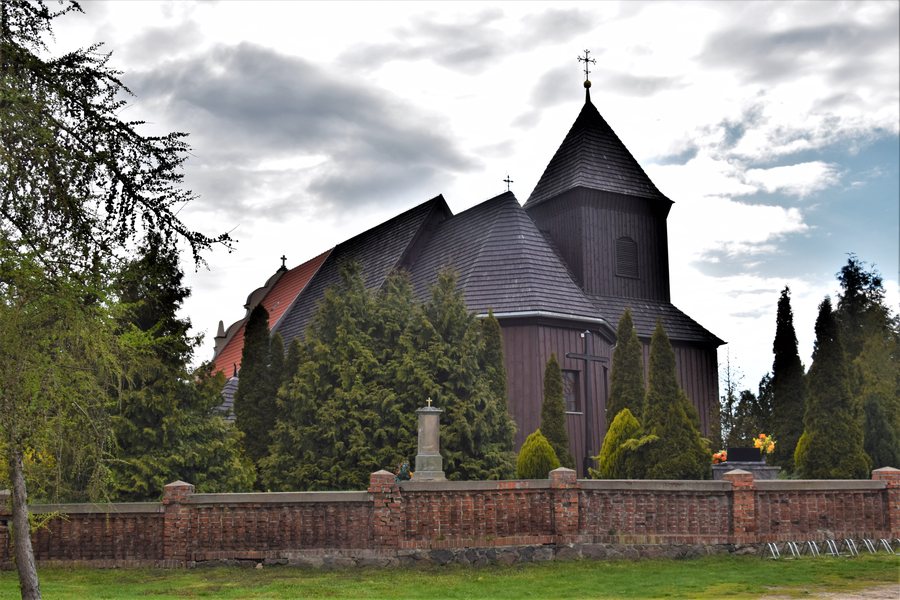
Niechanowo brings together the 1776 wooden St. James’ Church and a history closely associated with the cradle of Polish statehood. These cultural connections offer a starting point as you consider the town as a destination and a place to stay.
Key facts about Niechanowo
The wooden Church of St. James was built in 1776 and stands in the centre of Niechanowo, on the Wielkopolski Szlak św. Jakuba Apostoła. The town’s history is associated with the cradle of Polish statehood. The Sala Historii Gminy Niechanowo is dedicated to the history of the municipality.
What story does St. James’ Church tell?
The church brings together several specific historical points of reference: it is dedicated to St. James, built of wood, and dates to 1776. It is also located in the centre of town. This makes it easy to include a clearly defined building in your travel plans. The year of construction provides a point of reference in time; the location and dedication add local context.
Niechanowo’s history is also closely associated with the cradle of Polish statehood. This broader historical connection sits alongside the individual church building: the church offers a specific, dated focal point, while this interpretation turns the view towards the town as a whole. When comparing cultural sites, you can distinguish between a particular building and a broader historical context.
How is the church connected to the Way of St. James?
The church is located on the Wielkopolski Szlak św. Jakuba Apostoła. This adds a connection to a named Way of St. James to the local landmark. It may be of interest if you are interested in pilgrimage routes or religious culture; the church remains the specific point of connection to Niechanowo. If you are planning your trip around this route, check its current course and trail conditions in advance. This will help you factor the church into your stage planning.
What does the collection on the history of the municipality include?
The Sala Historii Gminy Niechanowo offers a different thematic scope from the church: its collection comprises thousands of mementos from times past through to the present. These include dozens of photographs of palaces and manor houses in the Niechanowo municipality, as well as many documents relating to various events and periods. Its focus is on the municipality, extending beyond a single building. The Sala has been operating for several years in the Public Library of the Niechanowo Municipality.
Which historical topics match your interests?
The two connections complement each other without telling the same story: the church leads to a dated building and the named Way of St. James; the Sala brings together mementos, photographs and documents relating to the municipality. If you are primarily interested in a particular religious building, the church is the right focus. If you are interested in the municipality’s history across different periods, the collection offers a broader perspective.
Discover more destinations: Żydowo, Witkowo, Kiszkowo, Dębnica, Trzemeszno, Gniezno, Skorzęcin, Łubowo.
FAQ
Where is the wooden Church of St. James?
It is in the centre of Niechanowo and was built in 1776.
Which route is the church connected to?
It is located on the Wielkopolski Szlak św. Jakuba Apostoła. For planning a specific stage, check the current route and trail conditions.
What does the Sala Historii Gminy Niechanowo include?
Its collection contains thousands of mementos, including photographs of palaces and manor houses in the municipality and documents relating to various events and periods.
For the broader travel overview: Gniezno.

