
Auschwitz: History, Culture and Nature
Accommodation in Auschwitz
For a stay in Auschwitz, the grounds and buildings of Auschwitz I and Auschwitz II-Birkenau are central to planning a visit. Oświęcim adds city history, museums and outdoor attractions to the picture. This allows you to plan the guided tour separately from other cultural and nature interests.
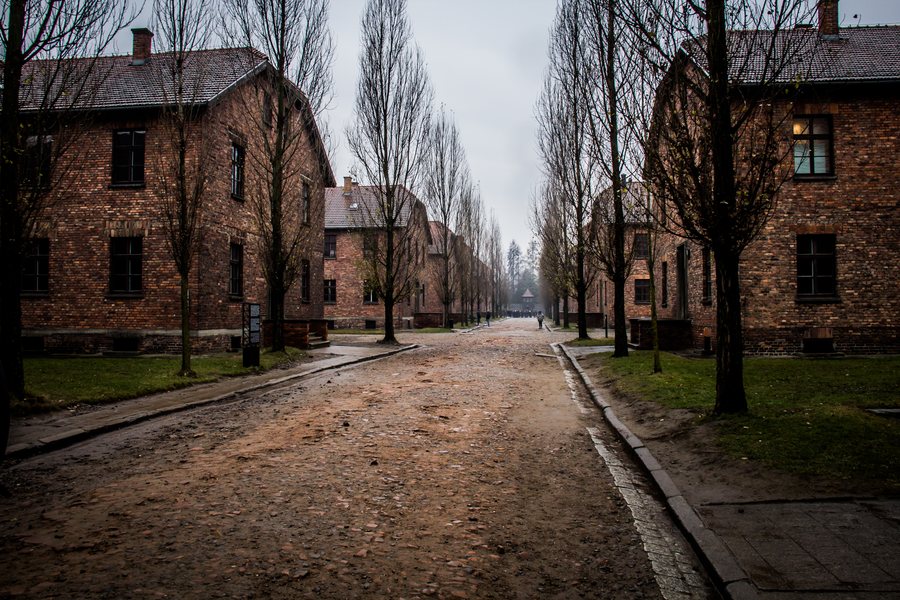
Auschwitz at a glance
- The grounds and buildings of Auschwitz I and Auschwitz II-Birkenau are open to visitors; the standard guided tour lasts about three and a half hours.
- The remains of the Auschwitz I and Auschwitz II-Birkenau camps are inscribed on the World Heritage List.
- The Muzeum Zamek in Oświęcim presents the city’s history in a permanent exhibition, temporary exhibitions and events.
- Oświęcim is an important railway junction with access to InterCity and EuroCity connections.
How should you plan your visit to the memorial site?
Allow about three and a half hours for the standard guided tour. This is an approximate duration, not a minute-by-minute time requirement. As visitor information may change, check the museum’s latest information before your visit. This will help you fit the tour into your stay without conflating it with Oświęcim’s other cultural and nature attractions.
The World Heritage listing refers to the remains of the Auschwitz I and Auschwitz II-Birkenau camps. This historical context sets the visit apart from the city museums and recreational sites that convey other aspects of Oświęcim’s history.
Which cultural attractions complement the visit?
The Muzeum Zamek presents the city’s history through a permanent exhibition, themed temporary exhibitions and events. Its program thus combines a permanent display with changing themes and dates. The Jewish Museum opens the Chewra Lomdei Misznajot Synagogue to visitors and runs educational programs about Oświęcim’s Jewish community. The two places have different focuses: city history on the one hand, and Jewish life and its interpretation on the other.
Oświęcim Castle has a Gothic tower dating from around the turn of the 14th century. In Grojec, the Skansen Pszczelarski open-air beekeeping museum has more than 70 exhibits, including beekeeping equipment dating from the beginning of the 20th century onward. This collection offers a different historical perspective from the exhibitions on the city’s history.
What characterizes the routes and open spaces?
Bulwary Park is a recreational space on the Soła, right next to Oświęcim’s market square and castle. The riverbank, a public recreation area and two notable city landmarks are thus close together. The Szlak Murali leads to a unique collection of monumental murals on buildings in various parts of the city. Individual murals may change.
Żaki is a 17.52-hectare forest nature reserve near Stawy Monowskie in the Dwory Drugie district. Its size and woodland setting make it a different landscape attraction from the riverside park.
For longer distances, the 54-kilometre Szlak Zabytków Ziemi Oświęcimskiej runs through the Gmina Oświęcim. Check the signage and conditions before setting out. The Grojec Tarniówka–Grojec Bugaj cycling route is 4.9 kilometres long. Another tourist attraction is the 15.5-kilometre lock with its navigable canal on the Vistula near Dwory II.
Which transport information is useful for planning?
The Oświęcim railway junction provides access to InterCity and EuroCity connections. Check timetables separately when planning your specific journey. This lets you plan your arrival separately from your choice of visits and routes, each of which may involve different time requirements or conditions.
Discover more destinations: Skidzin, Kęty, Brzeszcze, Jawiszowice, Bielany, Grojec, Zator, Nowa Wieś and Łęki.
FAQ
How long does the standard guided tour take?
It takes about three and a half hours. Check the museum’s latest visitor information before your visit.
What cultural attractions are there besides the camp visit?
The Muzeum Zamek presents the city’s history through a permanent exhibition, themed temporary exhibitions and events. The Jewish Museum opens the Chewra Lomdei Misznajot Synagogue to visitors and runs educational programs.
What route lengths are given?
The Grojec Tarniówka–Grojec Bugaj cycling route is 4.9 kilometres long; the Szlak Zabytków Ziemi Oświęcimskiej runs for 54 kilometres through the Gmina Oświęcim.
Go to the main travel overview: Lesser Poland.

